
-
-
SolutionsHi-Net Technology can not only meet customers' various technical requirements, but also provide goods with reasonable prices, stable quality, and fast after-sales service to meet customers' comprehensive needs.

-
ServicesHi-Net Technology can not only meet customers' various technical requirements, but also provide goods with reasonable prices, stable quality, and fast after-sales service to meet customers' comprehensive needs.

-
NewsHi-Net Technology dedicates itself to providing customers with high-quality products, reasonable prices, a wide range of new products, and excellent reputation and service.

-
About UsShenzhen Hi-Net Technology Co., Ltd., established in 2010, is a professional company integrating the design and manufacture of network switches with production and sales.



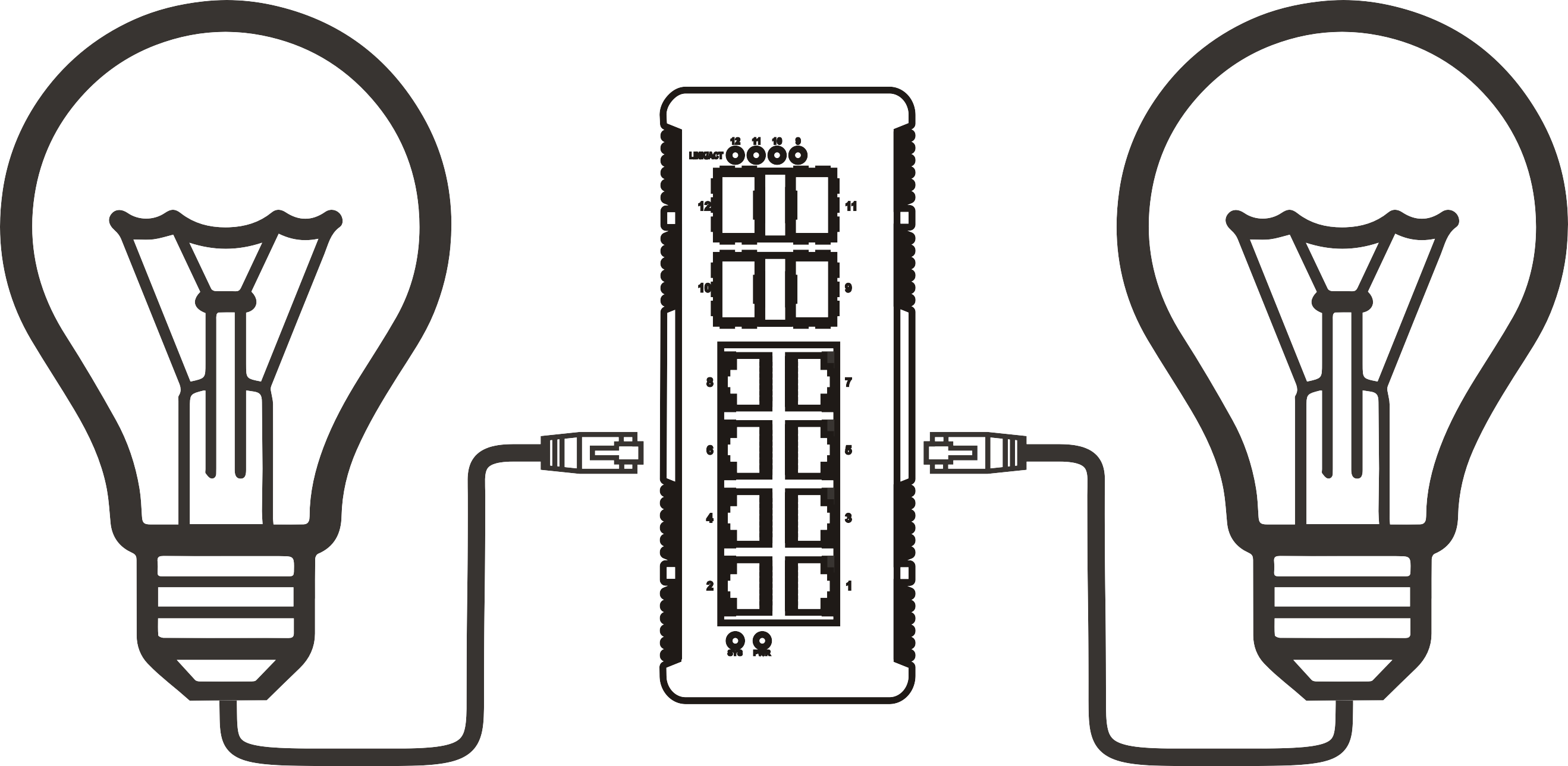


Maximizing Data Center Efficiency with Advanced Switch Solutions
Time: 2025-10-30
Data center switches are a vital component in modern data centers, serving as the backbone of connectivity and communication. Their primary function is to manage data traffic efficiently, ensuring that information flows seamlessly between servers, storage systems, and other network devices. As organizations continue to scale their IT infrastructure, understanding the types and functionalities of data center switches becomes increasingly important.
There are primarily two types of data center switches: Layer 2 switches and Layer 3 switches. Layer 2 switches operate at the data link layer, managing traffic within a local network. They are generally used for simple tasks such as connecting devices within the same VLAN. In contrast, Layer 3 switches operate at the network layer, enabling data routing between different networks. They are essential for larger and more complex data center environments, facilitating inter-VLAN routing and optimizing traffic flow.
When selecting a data center switch, consider key factors such as port density, throughput, and latency. High port density allows for more devices to connect to a single switch, which is critical for large data centers. Throughput, measured in gigabits per second (Gbps), determines how much data the switch can handle at any given time. Low latency is essential for applications that require real-time data processing, ensuring that delays do not impact performance.
Another important aspect of data center switches is their ability to support virtualization and automation. Virtualized data centers rely on switches that can handle multiple virtual networks efficiently. Features such as Virtual Local Area Networks (VLANs), Virtual Routing and Forwarding (VRF), and Link Aggregation Control Protocol (LACP) enhance flexibility and resource utilization. Additionally, automation capabilities help streamline operations, reducing manual configurations and minimizing human error.
Power consumption and cooling are also critical considerations. Modern data center switches are designed with energy efficiency in mind, often incorporating features such as Energy Efficient Ethernet (EEE) and improved airflow designs. Implementing switches that optimize power usage can significantly reduce operational costs, making them a sustainable choice for organizations looking to minimize their environmental impact.
Lastly, security features cannot be overlooked. Data center switches must support robust security protocols to protect sensitive information. This includes features such as access control lists (ACLs), port security, and network segmentation to prevent unauthorized access and mitigate potential threats.
In conclusion, data center switches play a crucial role in ensuring efficient and secure operations within data centers. By understanding their types, functionalities, and key considerations, professionals can make informed decisions that align with their organizational needs and future growth. Investing in the right data center switch solutions can ultimately enhance overall performance, scalability, and security in a dynamic digital landscape.
More News



Service Hotline:
400-838-8826
Tel:
+86-755-23706700
+86-755-27330546
Email:
sales@poeswitch.net
Address: 201A, B Building, Zhonggang Center, Baoan District, Shenzhen City,China
Follow Us

Copyright © 2025 Shenzhen Hi-Net Technology Co., Ltd All Rights reserved.
Business License