
-
-
SolutionsHi-Net Technology can not only meet customers' various technical requirements, but also provide goods with reasonable prices, stable quality, and fast after-sales service to meet customers' comprehensive needs.

-
ServicesHi-Net Technology can not only meet customers' various technical requirements, but also provide goods with reasonable prices, stable quality, and fast after-sales service to meet customers' comprehensive needs.

-
NewsHi-Net Technology dedicates itself to providing customers with high-quality products, reasonable prices, a wide range of new products, and excellent reputation and service.

-
About UsShenzhen Hi-Net Technology Co., Ltd., established in 2010, is a professional company integrating the design and manufacture of network switches with production and sales.



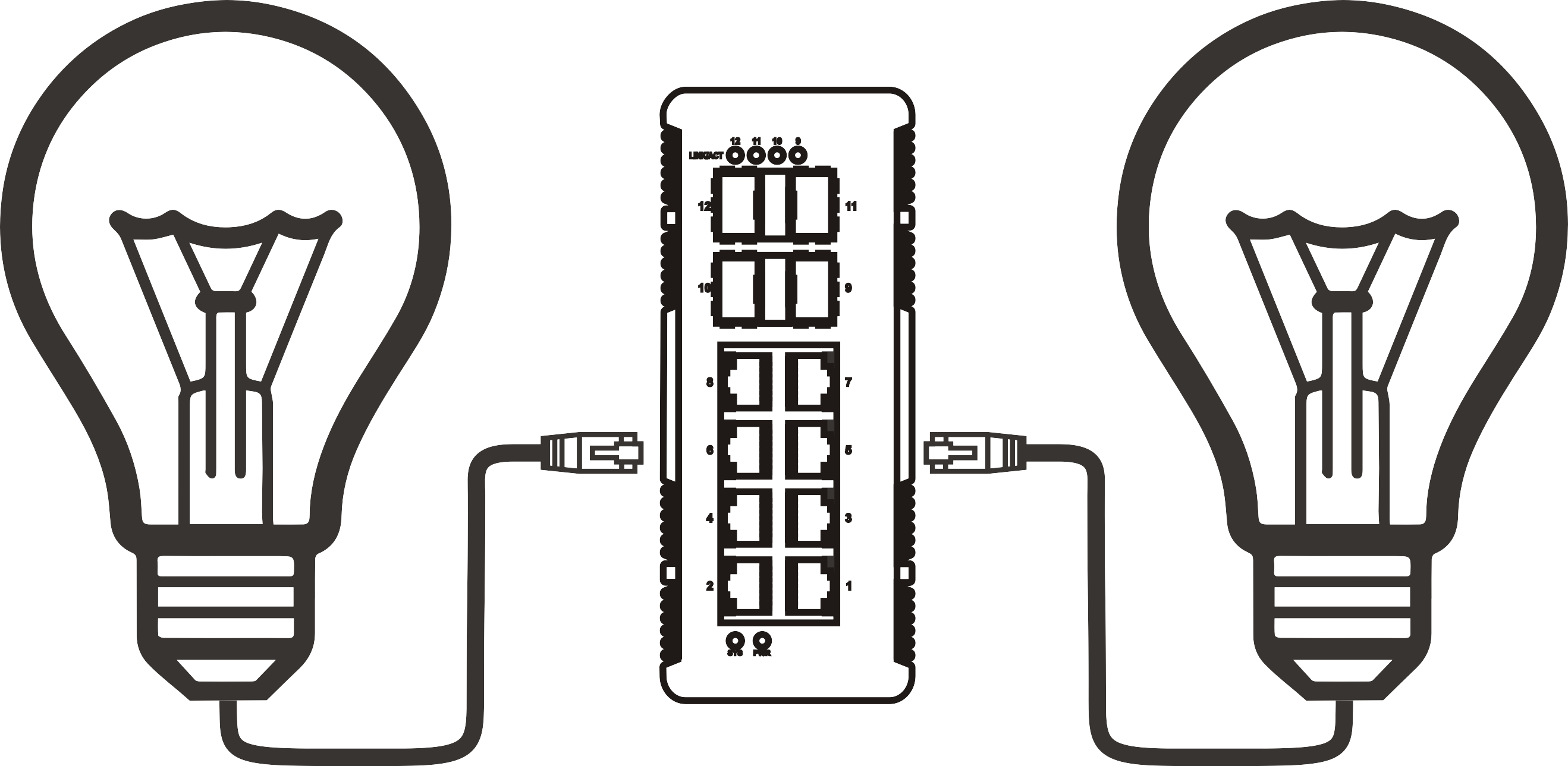


The Future of Networking: Exploring PoE Products and Their Impact
Time: 2025-09-01
The Future of Networking: Exploring PoE Products and Their Impact
Table of Contents
- Introduction to Power over Ethernet (PoE)
- Understanding PoE Technology
- Key Benefits of PoE Products
- Cost Efficiency and Reduced Installation Time
- Enhanced Flexibility in Device Placement
- Reduced Cable Clutter
- Applications of PoE Products in Various Industries
- Future Trends in PoE Technology
- Challenges and Considerations of PoE Implementation
- Frequently Asked Questions (FAQs)
- Conclusion: The Role of PoE in Future Networking
Introduction to Power over Ethernet (PoE)
Power over Ethernet (PoE) technology has revolutionized networking by allowing both data and power to be transmitted over standard Ethernet cables. This innovative solution simplifies installation and reduces costs by eliminating the need for separate power sources for network devices. As we look ahead, understanding the implications of PoE products will be crucial in navigating the evolving landscape of networking technology.
Understanding PoE Technology
PoE technology works by sending electrical power along with data on Ethernet cabling. It operates under various IEEE standards, primarily IEEE 802.3af, IEEE 802.3at (PoE+), and IEEE 802.3bt (PoE++). These standards define how power is delivered across different cable types and lengths, enabling a wide range of devices to function seamlessly.
**PoE injectors** and **PoE switches** are the two primary methods of implementing PoE. Injectors add power to an existing Ethernet connection, while switches come with built-in PoE capabilities. The choice between these options largely depends on network demands and existing infrastructure.
Key Benefits of PoE Products
Cost Efficiency and Reduced Installation Time
One of the standout advantages of PoE products is cost efficiency. By integrating power and data transmission into a single cable, businesses can save significantly on installation costs. Traditional networking setups require separate electrical wiring, which can be labor-intensive and time-consuming. With PoE, installation becomes faster, reducing labor expenses and minimizing downtime.
Enhanced Flexibility in Device Placement
PoE technology allows greater flexibility in device placement. Network devices such as IP cameras, wireless access points, and VoIP phones can be installed in locations that may lack nearby power outlets. This flexibility enables businesses to optimize their network design according to their specific needs, enhancing both functionality and user experience.
Reduced Cable Clutter
In an age where aesthetics and organization are increasingly important, PoE products help reduce cable clutter. By streamlining installations to a single Ethernet cable, businesses can maintain cleaner and more organized environments. This not only enhances visual appeal but also simplifies maintenance and troubleshooting processes.
Applications of PoE Products in Various Industries
The versatility of PoE products makes them suitable for a wide range of applications across different industries.
Commercial Use Cases
In commercial settings, PoE technology is widely utilized in surveillance systems, where IP cameras require both power and data connections. Businesses can position cameras in optimal locations without worrying about power sources, thereby enhancing security measures significantly. Additionally, wireless access points can be strategically placed throughout an office to ensure robust connectivity, supporting the demands of mobile workforces.
Residential Applications
In modern homes, PoE products are increasingly popular for powering smart devices. Homeowners can connect smart security cameras, video doorbells, and smart speakers without the hassle of running additional wiring. This simplifies the installation of home automation systems, making them more accessible and user-friendly.
Industrial Applications
In industrial environments, PoE technology facilitates the deployment of devices such as sensors and communication devices. These devices often require power in challenging locations, and PoE provides a reliable solution. Moreover, in factories and warehouses, PoE can support the integration of IoT devices, leading to smarter and more efficient operations.
Future Trends in PoE Technology
As technology continues to advance, several trends are emerging in the PoE landscape.
**Higher Power Levels:** The advent of IEEE 802.3bt allows for higher power levels, enabling devices that require more energy, such as outdoor surveillance cameras and LED lighting systems, to be powered over Ethernet.
**Integration with IoT:** The rise of the Internet of Things (IoT) will drive further adoption of PoE products. As more devices become interconnected, the need for efficient power and data transmission will increase, positioning PoE as a central technology.
**Smart Building Solutions:** The integration of PoE in smart building solutions is another trend to watch. Building management systems will leverage PoE technology to power sensors and communication devices, creating more efficient and environmentally friendly infrastructures.
Challenges and Considerations of PoE Implementation
Despite its numerous benefits, implementing PoE technology is not without challenges. **Compatibility issues** may arise when integrating PoE with legacy systems. Further, careful planning is required to ensure that power requirements are adequately met without overloading circuits. Additionally, organizations must consider the **heat generation** from devices that draw significant power, as this can impact performance and longevity.
Frequently Asked Questions (FAQs)
1. What is Power over Ethernet (PoE)?
PoE is a technology that allows both electrical power and data to be transmitted over standard Ethernet cables, simplifying network installations and reducing costs.
2. What are the different PoE standards?
The main PoE standards include IEEE 802.3af (PoE), IEEE 802.3at (PoE+), and IEEE 802.3bt (PoE++), which differ in their power delivery capabilities.
3. What devices can be powered using PoE?
Common devices powered by PoE include IP cameras, wireless access points, VoIP phones, and various IoT devices.
4. What are the benefits of using PoE technology?
Key benefits of PoE include cost efficiency, reduced cable clutter, enhanced flexibility in device placement, and faster installation times.
5. Are there any challenges associated with PoE implementation?
Challenges may include compatibility issues with legacy systems, the risk of overheating, and the need for careful planning to avoid overloading circuits.
Conclusion: The Role of PoE in Future Networking
Power over Ethernet (PoE) products are shaping the future of networking by providing efficient, flexible, and cost-effective solutions for power and data transmission. As industries adopt smarter technologies and integrate more devices into their networks, the importance of PoE will only increase. Understanding the capabilities and applications of PoE will be essential for businesses and individuals looking to remain competitive in an ever-evolving technological landscape. Embracing PoE is not just an option; it is becoming a necessity for effective and efficient networking in the future.
More News



Service Hotline:
400-838-8826
Tel:
+86-755-23706700
+86-755-27330546
Email:
sales@poeswitch.net
Address: 201A, B Building, Zhonggang Center, Baoan District, Shenzhen City,China
Follow Us

Copyright © 2025 Shenzhen Hi-Net Technology Co., Ltd All Rights reserved.
Business License