
-
-
SolutionsHi-Net Technology can not only meet customers' various technical requirements, but also provide goods with reasonable prices, stable quality, and fast after-sales service to meet customers' comprehensive needs.

-
ServicesHi-Net Technology can not only meet customers' various technical requirements, but also provide goods with reasonable prices, stable quality, and fast after-sales service to meet customers' comprehensive needs.

-
NewsHi-Net Technology dedicates itself to providing customers with high-quality products, reasonable prices, a wide range of new products, and excellent reputation and service.

-
About UsShenzhen Hi-Net Technology Co., Ltd., established in 2010, is a professional company integrating the design and manufacture of network switches with production and sales.



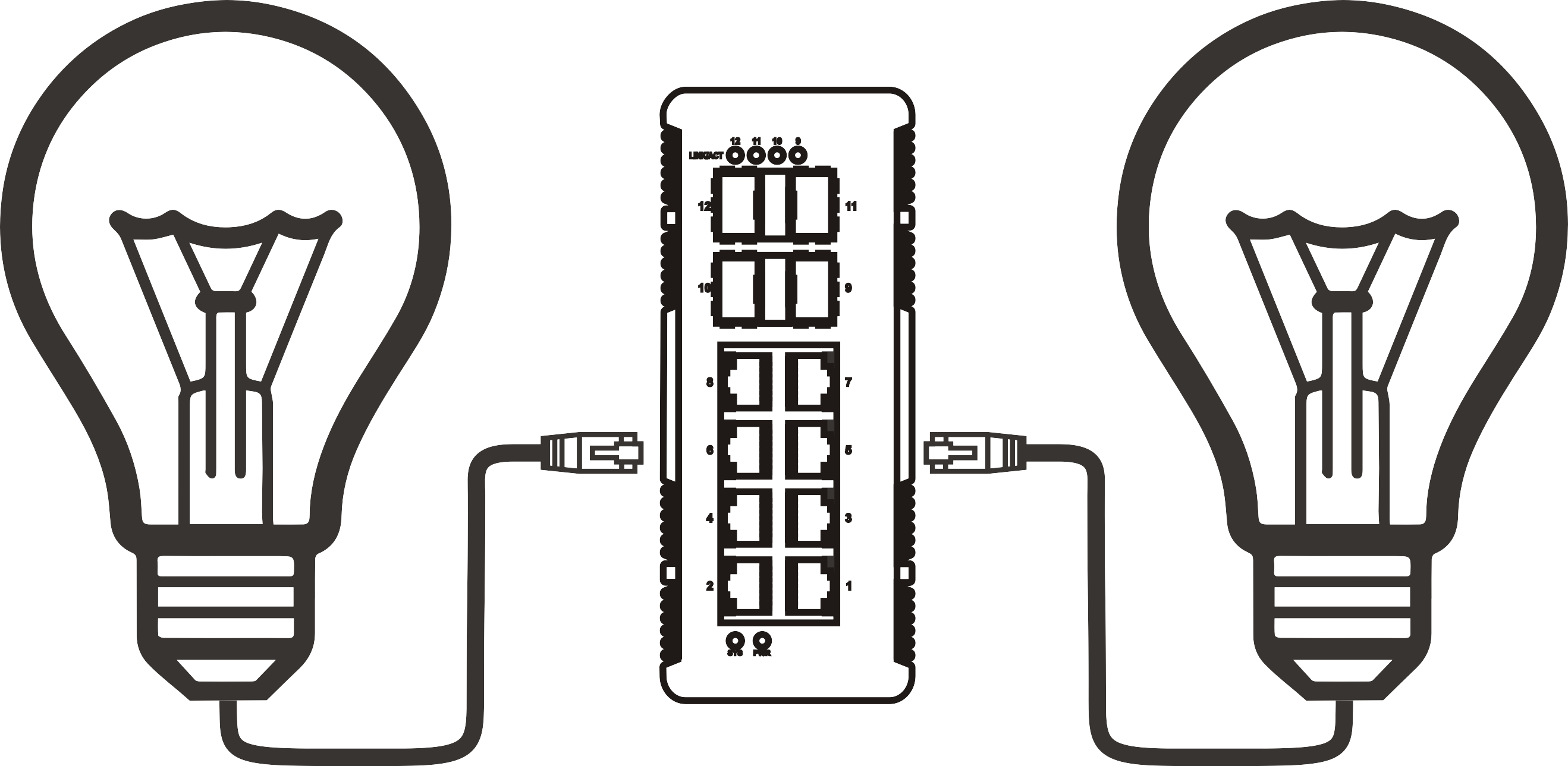


Comparing Industrial POE Switches: What Sets Them Apart?
Time: 2026-01-06
Comparing Industrial POE Switches: What Sets Them Apart?
Table of Contents
- 1. Introduction to Industrial POE Switches
- 2. What is a POE Switch?
- 3. Types of Industrial POE Switches
- 4. Key Features of Industrial POE Switches
- 5. Advantages of Using Industrial POE Switches
- 6. Common Applications for Industrial POE Switches
- 7. Comparing Different Models of Industrial POE Switches
- 8. Buying Guide for Industrial POE Switches
- 9. Frequently Asked Questions
- 10. Conclusion
1. Introduction to Industrial POE Switches
Industrial Power over Ethernet (POE) switches are critical components in modern networking, especially in environments where devices require both data and power through a single cable. As industries evolve, the demand for efficient and reliable network solutions grows. This article aims to explore what sets industrial POE switches apart, highlighting their unique features, advantages, and applications.
2. What is a POE Switch?
A Power over Ethernet switch is a networking device that provides both data connectivity and electrical power to networked devices through Ethernet cables. This technology simplifies cable management and reduces installation costs by eliminating the need for separate power sources.
**POE switches** are commonly utilized to power devices such as IP cameras, wireless access points, and VoIP phones. The ability to transmit data and power along a single cable is particularly beneficial in industrial settings, where redundant power sources may not be readily available.
3. Types of Industrial POE Switches
When it comes to industrial POE switches, several types cater to different needs and specifications:
3.1 Managed POE Switches
Managed POE switches allow for greater control and configuration options. Users can set VLANs, manage traffic, and monitor network performance. These switches are ideal for larger networks where customization and optimization are necessary.
3.2 Unmanaged POE Switches
Unmanaged POE switches are plug-and-play devices that require no configuration. They are simpler and often more cost-effective, making them suitable for smaller setups or environments where ease of use is paramount.
3.3 Smart POE Switches
Smart POE switches offer a middle ground between managed and unmanaged options. They provide basic management features such as port monitoring and simple configurations without the complexity of fully managed switches.
4. Key Features of Industrial POE Switches
Understanding the features of industrial POE switches is vital for making an informed choice. Here are some distinguishing features to consider:
4.1 Power Budget
The power budget defines how much power the switch can deliver to connected devices. Industrial environments often require higher power allowances to support devices like high-resolution cameras and multi-channel access points.
4.2 Port Count and Speed
Industrial POE switches come in various port counts, typically ranging from 5 to 48 ports. The speed of these ports can vary, with options for 10/100/1000 Mbps. Assessing the number of devices and speed requirements is crucial for effective network performance.
4.3 Hardware Durability
Constructed to withstand harsh conditions, industrial POE switches feature rugged designs, resistant to dust, moisture, and extreme temperatures. Certifications such as IP ratings ensure they can operate reliably in challenging environments.
4.4 Network Protocol Support
Compatibility with advanced networking protocols, such as SNMP (Simple Network Management Protocol) and IGMP (Internet Group Management Protocol), enhances the functionality of managed switches, allowing for efficient traffic and device management.
5. Advantages of Using Industrial POE Switches
The advantages of industrial POE switches extend beyond mere convenience:
5.1 Simplified Cabling
Using a single cable to deliver both power and data reduces clutter and simplifies installation, making it easier to manage connections in large industrial settings.
5.2 Cost-Effectiveness
By minimizing the need for additional power supplies and outlets, industrial POE switches can significantly reduce overall installation costs.
5.3 Flexibility and Scalability
The ability to easily add or move devices without the need for additional electrical work enhances flexibility. This capability is essential in dynamic industrial environments where operational needs frequently change.
5.4 Enhanced Reliability
Many industrial POE switches come equipped with redundancy features, ensuring that power is consistently supplied to critical devices, which is vital for maintaining uninterrupted operations.
6. Common Applications for Industrial POE Switches
Industrial POE switches find application in various sectors, including:
6.1 Surveillance Systems
With the need for continuous monitoring, industrial POE switches power and connect numerous IP cameras across expansive facilities.
6.2 Wireless Networks
Access points deployed in industrial areas benefit from POE technology, ensuring they receive power without requiring adjacent power sources.
6.3 Automated Systems
In smart manufacturing and logistics, industrial POE switches connect numerous devices, from sensors to automated machines, facilitating real-time data exchange and control.
6.4 VoIP Communication Systems
Many organizations utilize industrial POE switches to ensure VoIP phones receive both data connectivity and power, streamlining communication solutions.
7. Comparing Different Models of Industrial POE Switches
When exploring the market for industrial POE switches, one must consider various models and their specifications. Here are some factors to compare:
7.1 Brand Reputation
Brands like Cisco, HPE, and D-Link are known for their reliability and performance. Choosing a reputable brand can ensure long-term support and quality.
7.2 Technical Specifications
Assessing specifications such as power output per port, total power budget, and port speeds will determine if a switch meets the requirements of your network.
7.3 User Reviews and Case Studies
Examining user feedback and case studies can provide insights into real-world performance, helping to validate a switch’s effectiveness in similar environments.
7.4 Price vs. Features
Evaluating the cost in relation to the features offered is crucial. Sometimes, investing slightly more in a switch with better performance can yield long-term savings through enhanced efficiency.
8. Buying Guide for Industrial POE Switches
Purchasing an industrial POE switch necessitates careful consideration of various factors to ensure it aligns with your operational needs:
8.1 Assess Your Network Requirements
Evaluate the number of devices you plan to connect, their power needs, and the type of data traffic expected.
8.2 Determine Your Environment
Understanding the physical environment (temperature, humidity, dust, etc.) will help you select switches with the appropriate durability ratings.
8.3 Consider Future Growth
Opt for switches that provide scalability options, allowing for future expansions without the need for significant additional investments.
8.4 Warranty and Support
A robust warranty and support options can provide peace of mind, ensuring assistance in case of potential issues.
9. Frequently Asked Questions
9.1 What is the difference between POE and POE+?
POE can deliver up to 15.4 watts per port, while POE+ can deliver up to 30 watts. POE+ is ideal for devices requiring more power, such as PTZ cameras.
9.2 Can I use a POE switch with non-POE devices?
Yes, POE switches can connect non-POE devices, but they will not receive power from the switch.
9.3 Are industrial POE switches more expensive than regular switches?
Typically, industrial POE switches are more expensive due to their rugged designs and additional features tailored for demanding environments.
9.4 How many devices can an industrial POE switch support?
This depends on the number of ports available and the power budget. Some switches can support dozens of devices simultaneously.
9.5 Do industrial POE switches require special installation?
While industrial POE switches are generally straightforward to install, they may require considerations related to environmental factors and network configuration.
10. Conclusion
When it comes to industrial applications, selecting the right POE switch is a pivotal decision that can impact network performance and reliability. By understanding the unique features, benefits, and applications of industrial POE switches, users can make informed choices that meet their operational needs. Whether managing a complex surveillance system or powering connected devices in a dynamic manufacturing environment, industrial POE switches provide the versatility and efficiency required for modern networking demands.
More News



Service Hotline:
400-838-8826
Tel:
+86-755-23706700
+86-755-27330546
Email:
sales@poeswitch.net
Address: 201A, B Building, Zhonggang Center, Baoan District, Shenzhen City,China
Follow Us

Copyright © 2025 Shenzhen Hi-Net Technology Co., Ltd All Rights reserved.
Business License