
-
-
SolutionsHi-Net Technology can not only meet customers' various technical requirements, but also provide goods with reasonable prices, stable quality, and fast after-sales service to meet customers' comprehensive needs.

-
ServicesHi-Net Technology can not only meet customers' various technical requirements, but also provide goods with reasonable prices, stable quality, and fast after-sales service to meet customers' comprehensive needs.

-
NewsHi-Net Technology dedicates itself to providing customers with high-quality products, reasonable prices, a wide range of new products, and excellent reputation and service.

-
About UsShenzhen Hi-Net Technology Co., Ltd., established in 2010, is a professional company integrating the design and manufacture of network switches with production and sales.



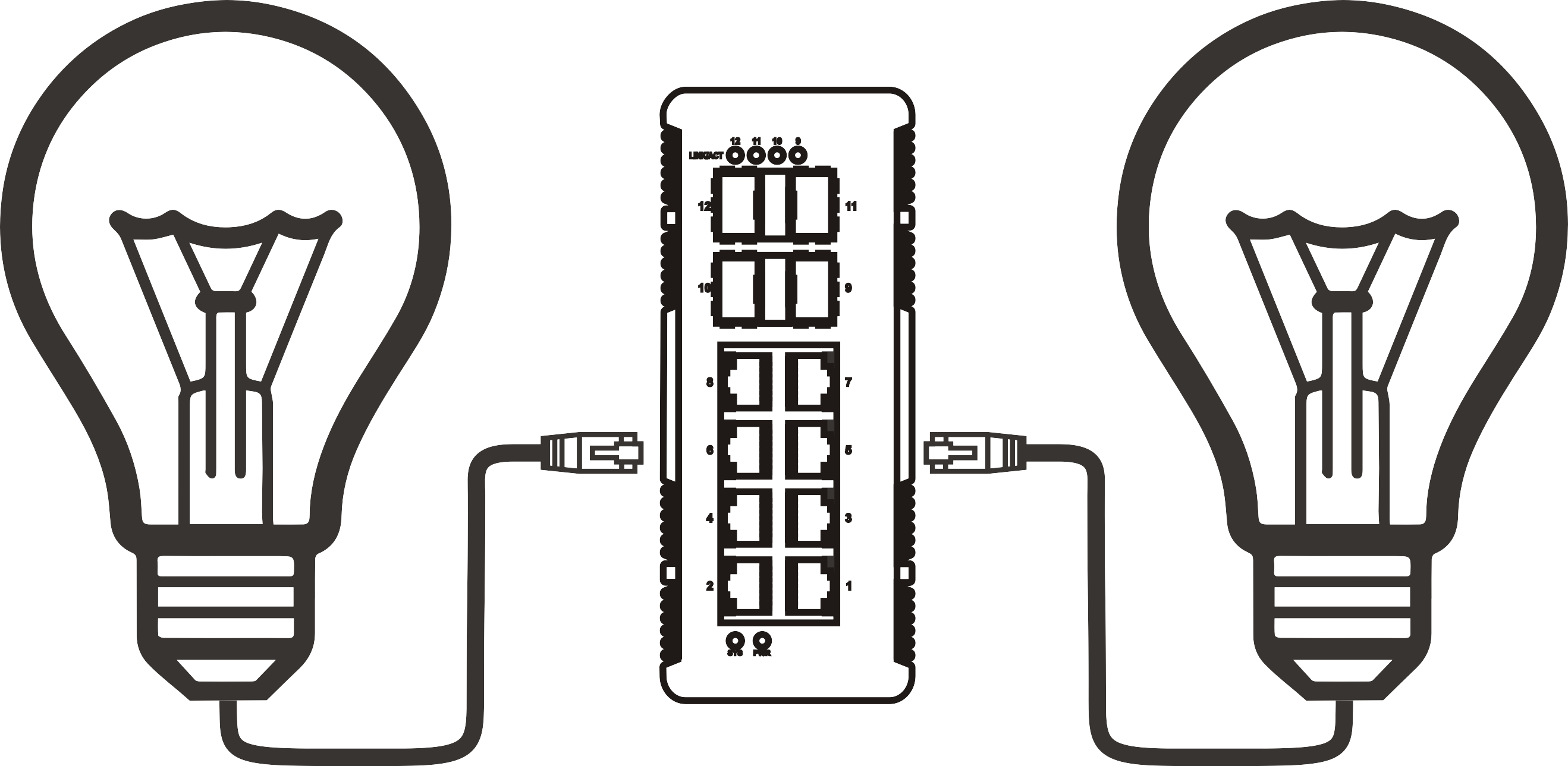


Future-Proof Your AV Network with Cutting-Edge SDVoE Solutions
Time: 2026-01-14
Future-Proof Your AV Network with Cutting-Edge SDVoE Solutions
Table of Contents
- 1. Introduction to SDVoE Technology
- 2. What is SDVoE and How Does it Work?
- 3. Advantages of SDVoE Solutions
- 3.1 Cost-Effectiveness
- 3.2 Scalability and Flexibility
- 3.3 Enhanced Quality of Service
- 3.4 Interoperability with Existing Systems
- 4. Implementation Strategies for SDVoE
- 4.1 Planning Your AV Network
- 4.2 Hardware Selection and Installation
- 4.3 Network Design and Configuration
- 5. Future Trends in AV Networking and SDVoE
- 6. Case Studies: Successful SDVoE Implementations
- 7. FAQs About SDVoE Technology
- 8. Conclusion
1. Introduction to SDVoE Technology
In an era where digital transformation is paramount, **Audio-Visual (AV) networks** are evolving rapidly to meet the demands of modern applications. **SDVoE (Software Defined Video over Ethernet)** is at the forefront of this evolution, providing a robust solution to manage high-quality audio and video signals over standard Ethernet networks. This article explores the benefits, implementation strategies, and future trends of SDVoE technology, enabling organizations to future-proof their AV networks effectively.
2. What is SDVoE and How Does it Work?
SDVoE technology utilizes standard Ethernet infrastructure to transmit AV signals, allowing for the combination of high-performance video and audio with a flexible networking approach. By leveraging **software-defined networking (SDN)** and the capabilities of high-speed Ethernet, SDVoE simplifies the process of distributing video and audio content across various devices and locations.
**How does it work?** SDVoE solutions convert AV signals into standard IP packets, which can be transmitted over existing Ethernet networks. This conversion allows for greater interoperability and flexibility, as users can leverage common networking hardware while maintaining high-quality signal integrity.
The Core Components of SDVoE
To understand how SDVoE operates, it’s essential to recognize its core components:
- **Encoder:** Captures the audio and video signals and compresses them into IP packets.
- **Decoder:** Receives the IP packets, decompresses them, and converts them back into audio and video signals for output.
- **Network Switch:** Facilitates the transmission of IP packets across the network, ensuring minimal latency and optimal performance.
3. Advantages of SDVoE Solutions
Implementing SDVoE technology offers numerous advantages, making it a compelling choice for organizations looking to upgrade their AV networks.
3.1 Cost-Effectiveness
One of the primary benefits of SDVoE is its cost-effectiveness. By utilizing existing Ethernet infrastructure, organizations can significantly reduce the costs associated with specialized cabling and hardware. This streamlined approach not only minimizes initial investment but also lowers ongoing maintenance expenses.
3.2 Scalability and Flexibility
SDVoE solutions are inherently scalable, allowing organizations to expand their AV networks seamlessly. As needs grow, additional devices can be integrated without overhauling the entire system. This flexibility is vital for organizations that anticipate growth or changes in their AV requirements.
3.3 Enhanced Quality of Service
SDVoE technology ensures high-quality AV performance with low latency, even in demanding environments. Its ability to transmit uncompressed video over the network provides superior image and sound quality, which is crucial for applications that require precise audio-visual synchronization.
3.4 Interoperability with Existing Systems
Another significant advantage of SDVoE is its compatibility with existing AV systems. Organizations can integrate SDVoE solutions into their current infrastructure, allowing for a gradual transition rather than a complete replacement. This interoperability facilitates a smoother upgrade path and reduces disruption to ongoing operations.
4. Implementation Strategies for SDVoE
Successfully implementing SDVoE technology requires careful planning and execution. Organizations should follow these strategies to ensure a smooth transition.
4.1 Planning Your AV Network
Before implementing SDVoE solutions, it is critical to evaluate your organization's AV needs. Assessing current infrastructure, user requirements, and future growth expectations will help outline a plan that aligns with organizational goals.
4.2 Hardware Selection and Installation
Choosing the right hardware is essential for a successful SDVoE implementation. Select encoders, decoders, and network switches that meet the technical specifications required for your AV applications. Proper installation is equally important, as it impacts the overall performance of the AV network.
4.3 Network Design and Configuration
Designing an optimal network configuration involves determining bandwidth requirements, establishing network segmentation, and ensuring redundancy for critical pathways. A well-designed network minimizes latency and maximizes the efficiency of SDVoE solutions.
5. Future Trends in AV Networking and SDVoE
As technology continues to evolve, several trends are shaping the future of AV networking and SDVoE:
- **Increased Adoption of 4K and 8K Content:** As high-resolution content becomes more prevalent, AV networks will need to accommodate higher bandwidth demands. SDVoE solutions are poised to handle these requirements effectively.
- **Integration with IoT:** The Internet of Things (IoT) is influencing AV networks, enabling smart buildings and connected devices. SDVoE will play a critical role in facilitating communication between these devices.
- **Enhanced Security Measures:** As networks become more susceptible to cyber threats, implementing robust security protocols will be vital. Future SDVoE solutions will likely incorporate advanced security features to protect AV content.
6. Case Studies: Successful SDVoE Implementations
Examining real-world applications of SDVoE technology can provide valuable insights into its benefits and effectiveness. Here are a few notable case studies:
- **Corporate AV Installation:** A multinational corporation upgraded its conferencing systems to SDVoE, resulting in improved video quality and seamless integration with collaboration tools, enhancing productivity.
- **Educational Institutions:** A university implemented SDVoE solutions across its campus, allowing for centralized control of AV resources while providing high-quality streaming for remote learning.
- **Entertainment Venues:** A concert hall adopted SDVoE technology to streamline AV distribution, ensuring that audiences experienced crystal-clear sound and visuals, regardless of their seating location.
7. FAQs About SDVoE Technology
What is the difference between SDVoE and traditional AV over IP?
SDVoE focuses on uncompressed video transmission, ensuring higher quality and lower latency compared to traditional AV over IP solutions, which may rely on compression that can degrade signal quality.
Can SDVoE be integrated with existing AV systems?
Yes, SDVoE is designed for interoperability, allowing organizations to integrate it into their existing AV infrastructure with minimal disruption.
What types of applications benefit from SDVoE?
SDVoE is suitable for a variety of applications, including corporate settings, educational institutions, live events, and digital signage.
Is SDVoE scalable?
Absolutely. SDVoE solutions are inherently scalable and can be expanded as organizational needs grow without requiring a complete system overhaul.
What are the bandwidth requirements for SDVoE?
The bandwidth requirements for SDVoE depend on the resolution and frame rates being transmitted. Generally, it requires a Gigabit Ethernet connection for optimal performance.
8. Conclusion
As AV technology continues to evolve, **SDVoE (Software Defined Video over Ethernet)** stands out as a frontrunner in providing cutting-edge solutions for modern audio-visual networks. By leveraging SDVoE technology, organizations can achieve cost-effective, scalable, and high-quality AV solutions that enhance user experience and support future growth. Implementing SDVoE requires careful planning and execution, but the benefits it offers are undeniable. As we move towards a more digital future, investing in SDVoE solutions will ensure that your AV network remains competitive and capable of handling the demands of tomorrow.
More News



Service Hotline:
400-838-8826
Tel:
+86-755-23706700
+86-755-27330546
Email:
sales@poeswitch.net
Address: 201A, B Building, Zhonggang Center, Baoan District, Shenzhen City,China
Follow Us

Copyright © 2025 Shenzhen Hi-Net Technology Co., Ltd All Rights reserved.
Business License