
-
-
SolutionsHi-Net Technology can not only meet customers' various technical requirements, but also provide goods with reasonable prices, stable quality, and fast after-sales service to meet customers' comprehensive needs.

-
ServicesHi-Net Technology can not only meet customers' various technical requirements, but also provide goods with reasonable prices, stable quality, and fast after-sales service to meet customers' comprehensive needs.

-
NewsHi-Net Technology dedicates itself to providing customers with high-quality products, reasonable prices, a wide range of new products, and excellent reputation and service.

-
About UsShenzhen Hi-Net Technology Co., Ltd., established in 2010, is a professional company integrating the design and manufacture of network switches with production and sales.



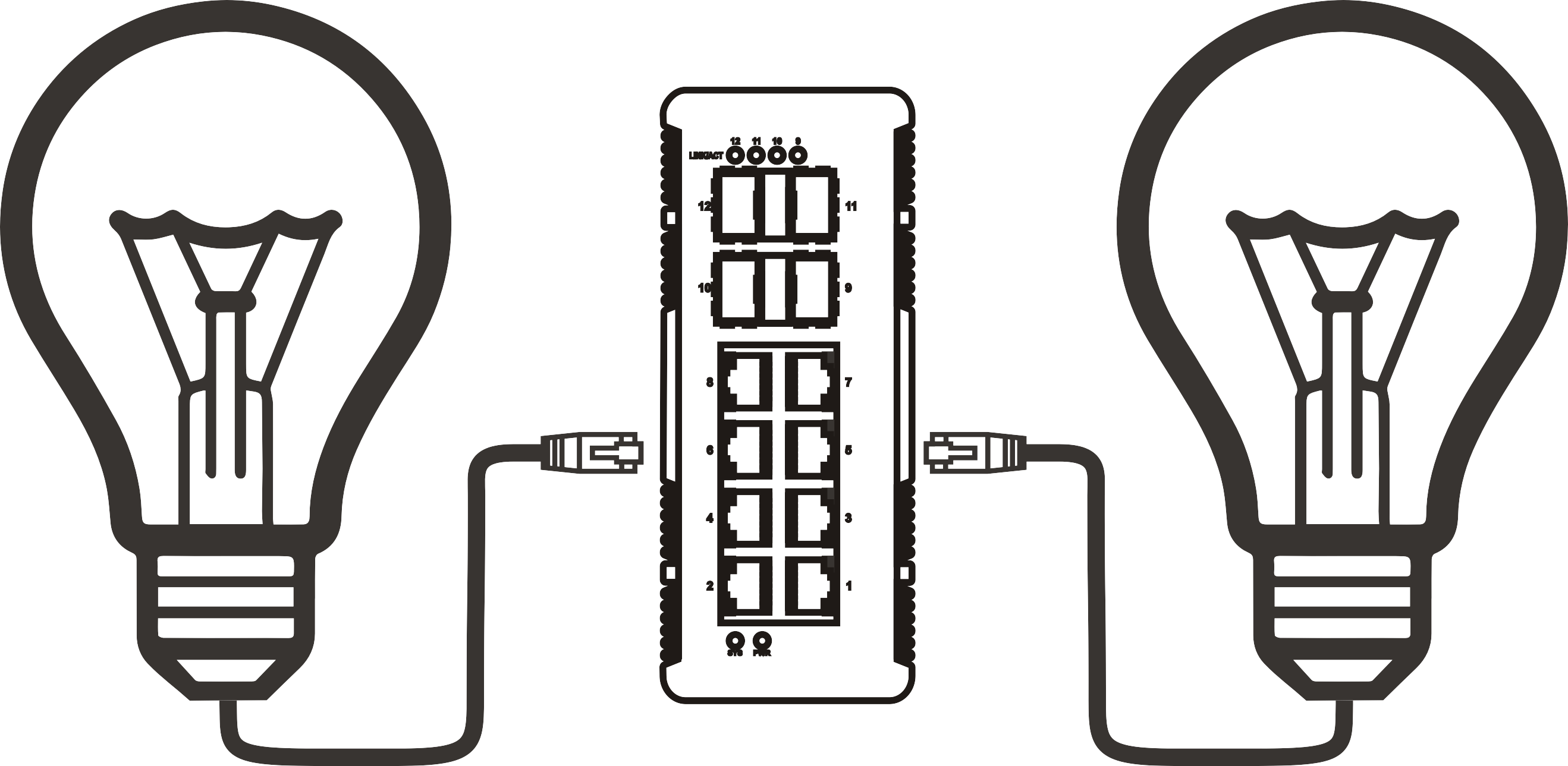


Integrating Fiber Optics with EN50155 Industrial Switches: A Comprehensive Guide
Time: 2026-02-08
Integrating Fiber Optics with EN50155 Industrial Switches: A Comprehensive Guide
Table of Contents
- 1. Introduction to EN50155 Industrial Switches
- 2. Understanding Fiber Optics Technology
- 3. Benefits of Fiber Optics in Industrial Applications
- 4. Key Features of EN50155 Industrial Switches
- 5. Challenges of Integrating Fiber Optics with EN50155 Switches
- 6. Best Practices for Integrating Fiber Optics with EN50155 Switches
- 7. Real-World Applications of Integrated Solutions
- 8. Future Trends in Fiber Optics and Industrial Switches
- 9. Frequently Asked Questions
- 10. Conclusion
1. Introduction to EN50155 Industrial Switches
In the modern industrial landscape, **EN50155 industrial switches** play a pivotal role in ensuring robust and reliable communication across various applications. Designed to withstand harsh environmental conditions, these switches conform to the stringent EN50155 standard for railway applications. Their ability to facilitate high-speed data transfer makes them ideal for integration with **fiber optics**, a technology that has revolutionized data transmission with its superior bandwidth and distance capabilities.
2. Understanding Fiber Optics Technology
Fiber optics technology relies on the principle of light transmission through glass or plastic fibers. Unlike traditional copper cables, fiber optics provide several advantages, including:
- **High Bandwidth**: Capable of transmitting data at significantly higher speeds.
- **Long Distances**: Effective over long distances without signal degradation.
- **Immunity to Electromagnetic Interference**: Ideal for environments with high electromagnetic noise.
These characteristics make **fiber optics** a compelling choice for industrial applications, particularly when integrated with EN50155 switches.
3. Benefits of Fiber Optics in Industrial Applications
The integration of fiber optics with EN50155 switches in industrial settings provides a plethora of benefits:
3.1 Enhanced Data Transmission Speeds
Fiber optics can transmit data at speeds up to 100 Gbps, significantly outperforming copper cables. This ensures real-time data processing and communication, which is critical in railway and industrial operations.
3.2 Increased Reliability and Safety
With a higher resistance to environmental factors, fiber optics minimize the risk of downtime caused by cable failure. Additionally, their immunity to electromagnetic interference enhances safety and reliability in mission-critical applications.
3.3 Cost Efficiency
While the initial installation cost of fiber optics may be higher than that of copper cables, the long-term savings from reduced maintenance, increased durability, and lower energy consumption make it a cost-effective solution.
4. Key Features of EN50155 Industrial Switches
EN50155 industrial switches are engineered to meet the unique demands of railway applications. Notable features include:
4.1 Rugged Design
These switches are built to endure extreme temperatures, vibrations, and shock, making them suitable for harsh environments.
4.2 Power over Ethernet (PoE)
Many EN50155 switches offer PoE capabilities, allowing devices to receive power and data over a single cable, reducing installation complexity.
4.3 Managed and Unmanaged Options
The availability of both managed and unmanaged switches allows for flexible network configurations based on operational needs.
5. Challenges of Integrating Fiber Optics with EN50155 Switches
Despite the numerous advantages, integrating fiber optics with EN50155 switches is not without its challenges:
5.1 Installation Complexity
The installation of fiber optic cables requires specialized skills and training, which could complicate the deployment process.
5.2 Compatibility Issues
Ensuring that existing systems can effectively integrate with new fiber optic technologies may require additional investments in compatible hardware or software.
5.3 Environmental Factors
While fiber optics are resistant to many environmental issues, they can still be susceptible to physical damage, necessitating careful installation and maintenance practices.
6. Best Practices for Integrating Fiber Optics with EN50155 Switches
To overcome integration challenges and maximize the benefits of fiber optics in conjunction with EN50155 switches, consider the following best practices:
6.1 Conduct a Thorough Needs Assessment
Identify the specific requirements of your network and how fiber optics can address them. Understanding your operational needs will guide the integration process.
6.2 Engage Qualified Professionals
Utilizing skilled technicians for installation and maintenance ensures that the fiber optic network is installed correctly and functions optimally.
6.3 Implement Regular Maintenance Protocols
Establish routine checks and maintenance schedules to identify and address any potential issues before they escalate into significant problems.
7. Real-World Applications of Integrated Solutions
The combination of fiber optics and EN50155 switches has paved the way for innovative solutions in various industrial applications:
7.1 Railway Communication Systems
Fiber optics provide high-speed data connectivity for signaling and communication systems within trains, enhancing operational efficiency and safety.
7.2 Manufacturing Automation
In smart manufacturing environments, integrating fiber optics with industrial switches allows for real-time monitoring and control of production processes.
7.3 Surveillance and Security
Fiber optics ensure high-quality video streaming for surveillance systems, vital for maintaining security in industrial locations.
8. Future Trends in Fiber Optics and Industrial Switches
As technology continues to evolve, several trends are emerging in the field of fiber optics and industrial switches:
8.1 Increased Adoption of 5G Technology
The rollout of 5G networks will drive the demand for fiber optics, enhancing data transmission capabilities and supporting IoT applications in industrial settings.
8.2 Development of Smart Industrial Solutions
The integration of fiber optics with smart technologies will lead to more automated and efficient industrial processes.
8.3 Enhanced Cybersecurity Measures
As reliance on fiber optics increases, developing robust cybersecurity frameworks will become imperative to protect data integrity.
9. Frequently Asked Questions
9.1 What is EN50155, and why is it important?
EN50155 is a standard that specifies the requirements for electronic equipment used in railway applications. It ensures the reliability and performance of devices under extreme environmental conditions.
9.2 How does fiber optics enhance industrial communication?
Fiber optics provides higher bandwidth and longer transmission distances, allowing for faster and more reliable communication in industrial environments.
9.3 What are the maintenance requirements for fiber optic networks?
Regular inspections, cleaning of connectors, and testing for signal loss are essential for maintaining fiber optic networks.
9.4 Can fiber optics be used in outdoor environments?
Yes, fiber optic cables can be used outdoors, but they must be properly protected from physical damage and environmental factors.
9.5 What are the costs associated with integrating fiber optics?
While initial costs may be higher due to installation and equipment, the long-term savings on maintenance and efficiency often justify the investment.
10. Conclusion
Integrating **fiber optics with EN50155 industrial switches** presents a significant opportunity for enhancing data communication in various industrial applications. By leveraging the strengths of both technologies, organizations can build robust, reliable, and efficient network infrastructures that not only meet current demands but also prepare for future advancements in industrial automation and connectivity. As the industry continues to evolve, embracing this integration will be key to staying ahead in a competitive landscape.
More News


Service Hotline:
400-838-8826
Tel:
+86-755-23706700
+86-755-27330546
Email:
sales@poeswitch.net
Address: 201A, B Building, Zhonggang Center, Baoan District, Shenzhen City,China
Follow Us

Copyright © 2025 Shenzhen Hi-Net Technology Co., Ltd All Rights reserved.
Business License