
-
-
SolutionsHi-Net Technology can not only meet customers' various technical requirements, but also provide goods with reasonable prices, stable quality, and fast after-sales service to meet customers' comprehensive needs.

-
ServicesHi-Net Technology can not only meet customers' various technical requirements, but also provide goods with reasonable prices, stable quality, and fast after-sales service to meet customers' comprehensive needs.

-
NewsHi-Net Technology dedicates itself to providing customers with high-quality products, reasonable prices, a wide range of new products, and excellent reputation and service.

-
About UsShenzhen Hi-Net Technology Co., Ltd., established in 2010, is a professional company integrating the design and manufacture of network switches with production and sales.



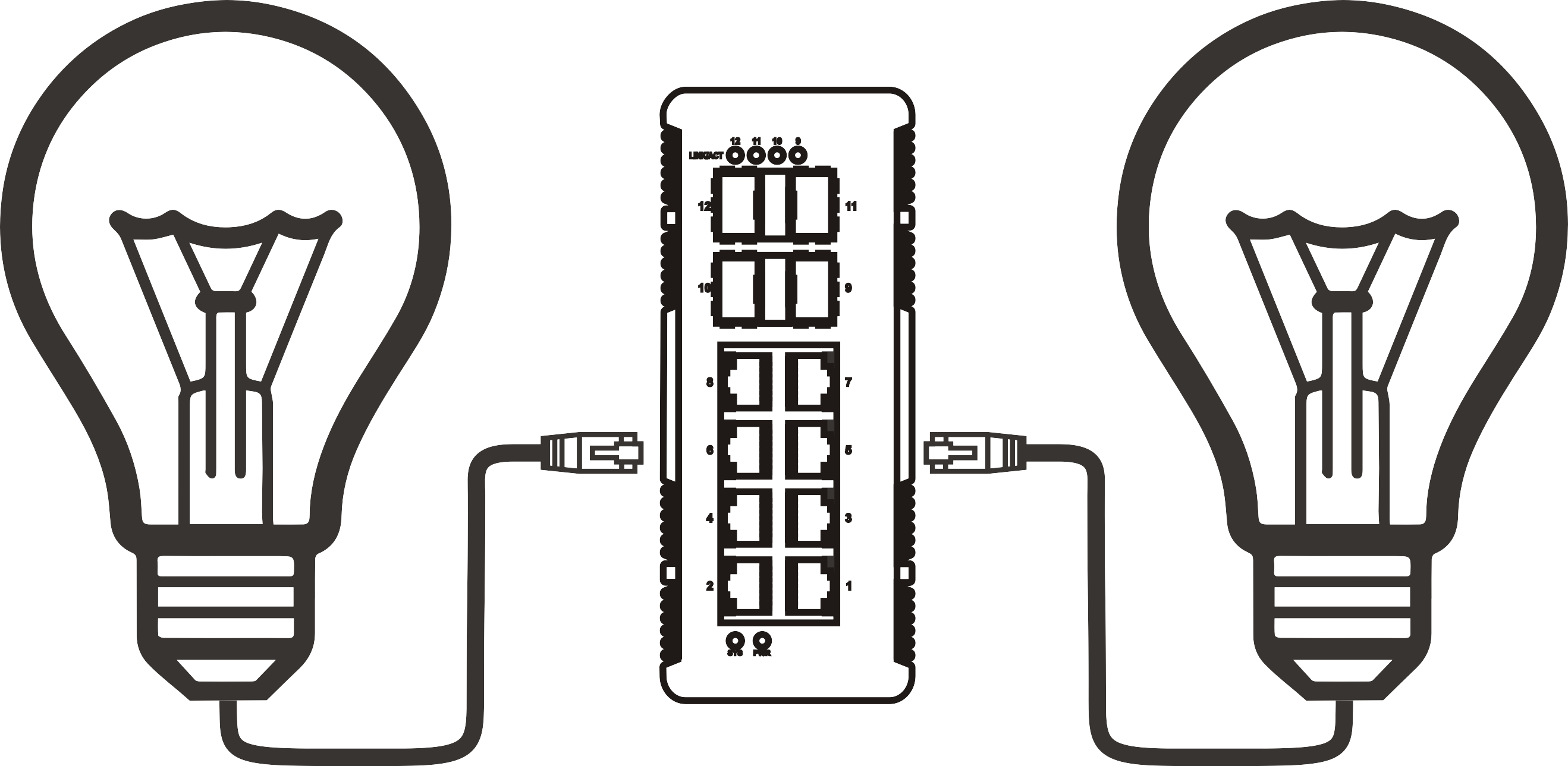


Understanding Data Center Switches: The Backbone of Modern Networking
Time: 2026-02-22
---
In today's rapidly evolving digital landscape, data center switches play a crucial role in the overall performance and reliability of network infrastructures. These specialized devices are designed to facilitate communication between different devices within a data center, ensuring that data is transferred efficiently and effectively. When selecting data center switches, there are several key factors and technologies to consider that can influence both performance and scalability.
**1. Types of Data Center Switches**
Data center switches can be broadly categorized into two types: top-of-rack (ToR) switches and end-of-row (EoR) switches. ToR switches are installed at the top of server racks and connect directly to the servers, offering low latency and reduced cable clutter. In contrast, EoR switches are positioned at the end of rows and connect multiple racks, making them ideal for larger data centers needing centralized management.
**2. Performance Metrics**
When evaluating data center switches, several performance metrics are critical. Bandwidth is a primary consideration; modern switches often support 10G, 40G, or even 100G speeds, enabling high data throughput. Latency is another important factor; lower latency ensures quicker data transmission, which is vital for applications demanding real-time responsiveness.
**3. Redundancy and Reliability**
Redundancy is key in data center environments to ensure uninterrupted service. Look for switches that support features such as link aggregation and failover protocols. These features can help maintain network stability even in the event of a hardware failure. Moreover, implementing redundant power supplies and fans can further enhance the reliability of your network infrastructure.
**4. Management and Automation Features**
Advanced data center switches come equipped with management tools that simplify network monitoring and configuration. Features such as remote management capabilities, SNMP (Simple Network Management Protocol), and APIs (Application Programming Interfaces) can facilitate automation and streamline operations. Automated network management can help reduce human error and improve response times to network issues.
**5. Security Considerations**
As data security becomes increasingly important, choose switches that offer robust security features. Options such as VLANs (Virtual Local Area Networks), ACLs (Access Control Lists), and port security can help safeguard sensitive data. Security protocols like IEEE 802.1X provide further protection by ensuring that only authorized devices can access the network.
**Conclusion**
In summary, data center switches are integral to establishing a robust networking environment. By understanding the types, performance metrics, redundancy options, management features, and security considerations involved in selecting data center switches, you can make informed decisions that enhance your data center's efficiency and reliability. As technology continues to advance, staying updated on the latest trends and solutions in data center networking will be essential for optimizing your infrastructure.
In today's rapidly evolving digital landscape, data center switches play a crucial role in the overall performance and reliability of network infrastructures. These specialized devices are designed to facilitate communication between different devices within a data center, ensuring that data is transferred efficiently and effectively. When selecting data center switches, there are several key factors and technologies to consider that can influence both performance and scalability.
**1. Types of Data Center Switches**
Data center switches can be broadly categorized into two types: top-of-rack (ToR) switches and end-of-row (EoR) switches. ToR switches are installed at the top of server racks and connect directly to the servers, offering low latency and reduced cable clutter. In contrast, EoR switches are positioned at the end of rows and connect multiple racks, making them ideal for larger data centers needing centralized management.
**2. Performance Metrics**
When evaluating data center switches, several performance metrics are critical. Bandwidth is a primary consideration; modern switches often support 10G, 40G, or even 100G speeds, enabling high data throughput. Latency is another important factor; lower latency ensures quicker data transmission, which is vital for applications demanding real-time responsiveness.
**3. Redundancy and Reliability**
Redundancy is key in data center environments to ensure uninterrupted service. Look for switches that support features such as link aggregation and failover protocols. These features can help maintain network stability even in the event of a hardware failure. Moreover, implementing redundant power supplies and fans can further enhance the reliability of your network infrastructure.
**4. Management and Automation Features**
Advanced data center switches come equipped with management tools that simplify network monitoring and configuration. Features such as remote management capabilities, SNMP (Simple Network Management Protocol), and APIs (Application Programming Interfaces) can facilitate automation and streamline operations. Automated network management can help reduce human error and improve response times to network issues.
**5. Security Considerations**
As data security becomes increasingly important, choose switches that offer robust security features. Options such as VLANs (Virtual Local Area Networks), ACLs (Access Control Lists), and port security can help safeguard sensitive data. Security protocols like IEEE 802.1X provide further protection by ensuring that only authorized devices can access the network.
**Conclusion**
In summary, data center switches are integral to establishing a robust networking environment. By understanding the types, performance metrics, redundancy options, management features, and security considerations involved in selecting data center switches, you can make informed decisions that enhance your data center's efficiency and reliability. As technology continues to advance, staying updated on the latest trends and solutions in data center networking will be essential for optimizing your infrastructure.
More News



Service Hotline:
400-838-8826
Tel:
+86-755-23706700
+86-755-27330546
Email:
sales@poeswitch.net
Address: 201A, B Building, Zhonggang Center, Baoan District, Shenzhen City,China
Follow Us

Copyright © 2025 Shenzhen Hi-Net Technology Co., Ltd All Rights reserved.
Business License