
-
-
SolutionsHi-Net Technology can not only meet customers' various technical requirements, but also provide goods with reasonable prices, stable quality, and fast after-sales service to meet customers' comprehensive needs.

-
ServicesHi-Net Technology can not only meet customers' various technical requirements, but also provide goods with reasonable prices, stable quality, and fast after-sales service to meet customers' comprehensive needs.

-
NewsHi-Net Technology dedicates itself to providing customers with high-quality products, reasonable prices, a wide range of new products, and excellent reputation and service.

-
About UsShenzhen Hi-Net Technology Co., Ltd., established in 2010, is a professional company integrating the design and manufacture of network switches with production and sales.



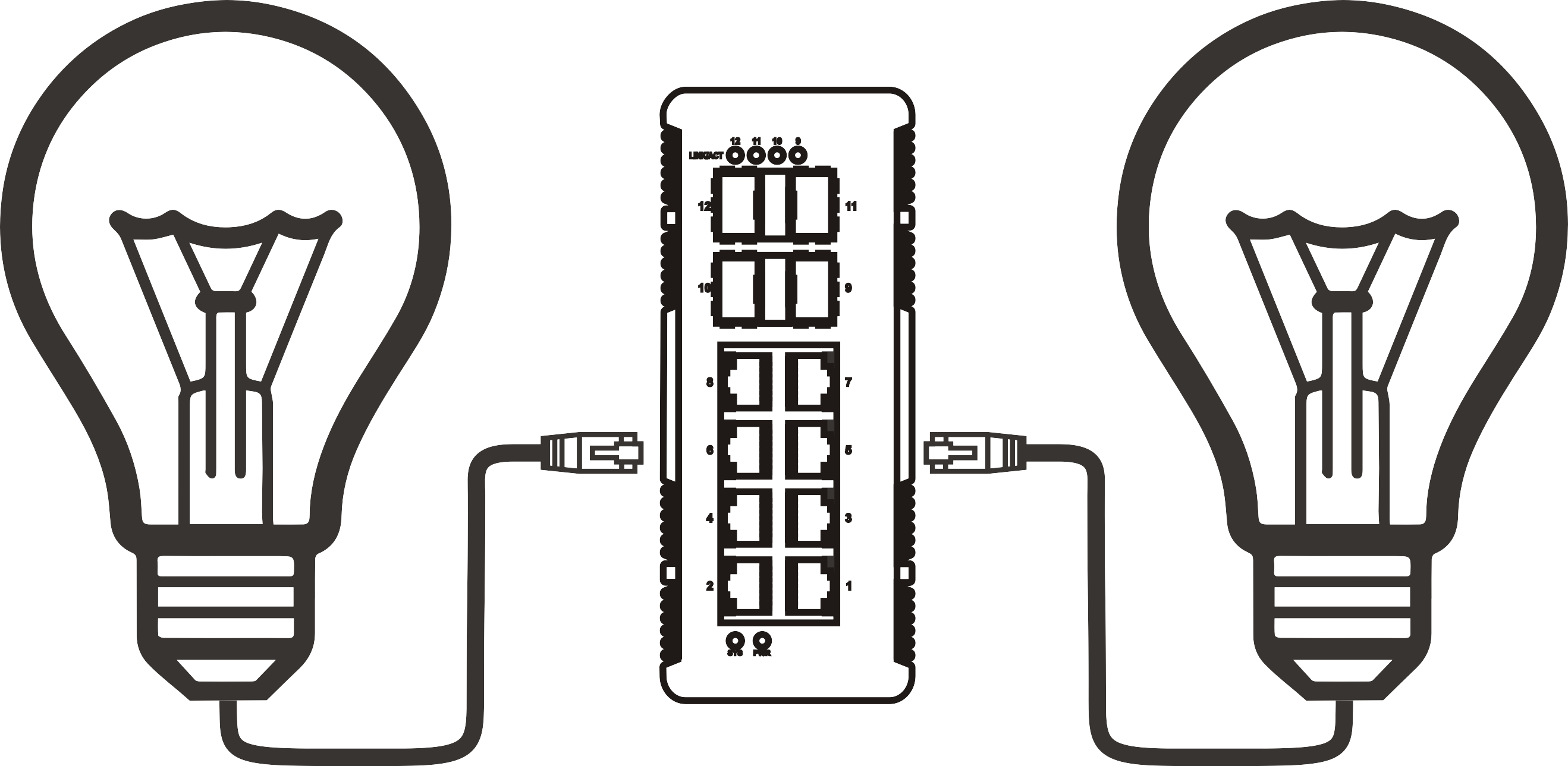


How SDVoE Products Are Revolutionizing Digital Media Distribution
Time: 2026-02-24
How SDVoE Products Are Revolutionizing Digital Media Distribution
Table of Contents
- 1. Introduction to SDVoE Technology
- 2. Understanding SDVoE: The Basics
- 3. Key Benefits of SDVoE Products
- 4. Applications of SDVoE in Digital Media
- 5. Challenges and Solutions in SDVoE Implementation
- 6. The Future of SDVoE: Trends and Innovations
- 7. Success Stories: Real-World Case Studies
- 8. Conclusion
- 9. Frequently Asked Questions
1. Introduction to SDVoE Technology
The digital landscape is constantly evolving. As the demand for high-quality video distribution continues to rise, **SDVoE (Software Defined Video over Ethernet)** technology emerges as a game-changer in the industry. SDVoE products are designed to provide efficient, low-latency video distribution over standard Ethernet networks, making them an attractive option for various applications, from corporate AV systems to professional broadcasting. In this article, we will delve deep into how SDVoE products are shaping the future of digital media distribution.
2. Understanding SDVoE: The Basics
SDVoE is an acronym that stands for Software Defined Video over Ethernet. This technology enables the transmission of uncompressed, low-latency video, audio, and control signals over a standard Ethernet network. Unlike traditional video distribution methods, SDVoE leverages existing network infrastructure, eliminating the need for specialized wiring or complex setups.
2.1 How SDVoE Works
At its core, SDVoE utilizes standard Ethernet switches to transport high-definition video signals. The protocol is capable of handling multiple video streams simultaneously, making it ideal for large-scale installations. By using standard Ethernet technology, SDVoE products simplify the installation and management of audiovisual systems.
2.2 Key Components of SDVoE Systems
A typical SDVoE system comprises several key components:
- **SDVoE Encoders**: These devices convert video signals into a digital format suitable for transmission over Ethernet.
- **SDVoE Decoders**: These devices receive the digital signals and convert them back into a format suitable for display.
- **Ethernet Switches**: Standard Ethernet switches facilitate the transportation of video data between encoders and decoders, ensuring low latency and high-quality transmission.
3. Key Benefits of SDVoE Products
The adoption of SDVoE technology brings numerous benefits to digital media distribution. Below are some of the vital advantages that make SDVoE a preferred choice among industry professionals.
3.1 Flexibility and Scalability
One of the most significant advantages of SDVoE is its flexibility. The technology allows users to easily expand their systems without the need for extensive rewiring. Adding new devices or adapting existing ones can be done swiftly, making it easy to scale operations as needed.
3.2 Cost-Effectiveness
Utilizing existing Ethernet infrastructure significantly reduces installation costs. Organizations can save on hardware and labor expenses, making SDVoE a budget-friendly option for both small and large-scale deployments.
3.3 High-Quality Video Transmission
SDVoE technology ensures the transmission of uncompressed video, which maintains the highest quality possible. Users benefit from superior image clarity and audio fidelity, enhancing the overall viewing experience.
3.4 Low Latency
Latency is a critical factor in video distribution, especially for live events. SDVoE products are designed to minimize latency, providing real-time transmission that is essential for applications like live broadcasting and gaming.
4. Applications of SDVoE in Digital Media
SDVoE technology is versatile and can be applied across various sectors. Here are some specific areas where SDVoE products are making a significant impact.
4.1 Corporate AV Systems
Many organizations are adopting SDVoE for corporate AV systems due to its ability to manage multiple sources and displays seamlessly. Employees can present high-quality video content in real-time during meetings and conferences.
4.2 Live Events and Broadcast
In live event production, every second counts. SDVoE's low latency makes it ideal for broadcasting events, allowing producers to deliver crisp and clear content to audiences both on-site and online.
4.3 Education and Training
Educational institutions are leveraging SDVoE technology to create interactive learning environments. With high-quality video distribution, educators can engage students more effectively, whether in-person or remotely.
4.4 Digital Signage
SDVoE is revolutionizing digital signage by allowing for dynamic content distribution across multiple displays. Businesses can easily update and manage their signage content from a centralized location, enhancing marketing efforts.
5. Challenges and Solutions in SDVoE Implementation
While SDVoE offers numerous benefits, it is not without challenges. Below are some of the common hurdles organizations might face when implementing SDVoE technology, along with potential solutions.
5.1 Network Infrastructure Considerations
For SDVoE to function optimally, a robust network infrastructure is essential. Organizations must evaluate their existing network capabilities before deploying SDVoE solutions. Upgrading switches and routers may be necessary to ensure seamless video distribution.
5.2 Training and Expertise
Implementing SDVoE technology may require specialized knowledge. Organizations should invest in training for their technical staff to maximize the benefits of SDVoE systems.
5.3 Compatibility with Legacy Systems
Integrating SDVoE products with existing legacy systems can pose challenges. It’s crucial to conduct compatibility assessments and, if necessary, invest in transitional technologies to bridge the gap.
6. The Future of SDVoE: Trends and Innovations
As technology continues to advance, the future of SDVoE looks promising. Several trends are emerging that will shape its development in the coming years.
6.1 Increased Adoption of IP-Based Workflows
The shift towards IP-based workflows is evident in many sectors. SDVoE aligns perfectly with this trend, making it a valuable solution for organizations looking to modernize their media distribution processes.
6.2 Integration with Cloud Services
Cloud computing is becoming increasingly integrated with AV systems. Future SDVoE products will likely leverage cloud services for enhanced scalability and remote management capabilities.
6.3 Enhanced Security Features
As digital media distribution grows, so do concerns about security. Future innovations in SDVoE technology will focus on enhancing security features to protect sensitive content during transmission.
7. Success Stories: Real-World Case Studies
To illustrate the effectiveness of SDVoE technology, let’s explore some notable case studies showcasing its successful implementation.
7.1 Corporate Headquarters
A major corporate headquarters successfully implemented SDVoE technology for their AV systems. By utilizing SDVoE encoders and decoders, they achieved seamless video distribution across multiple conference rooms, enhancing collaboration and communication.
7.2 Major Sports Event
During a major sports event, SDVoE was employed to distribute live video feeds across various locations. The low latency and high-quality transmission allowed broadcasters to deliver an exceptional viewing experience to audiences around the world.
7.3 Educational Institution
An educational institution adopted SDVoE technology to facilitate hybrid learning. By integrating SDVoE solutions, they enabled high-quality video lectures to be broadcasted to remote students, ensuring everyone received the same level of education.
8. Conclusion
SDVoE products are undoubtedly shaping the future of digital media distribution. By offering unparalleled flexibility, cost-effectiveness, and high-quality transmission, SDVoE technology is revolutionizing how organizations approach audio-visual systems. As the demand for reliable and efficient video distribution continues to grow, the adoption of SDVoE will likely increase, making it an essential component of modern digital media strategies.
9. Frequently Asked Questions
9.1 What is SDVoE technology?
SDVoE stands for Software Defined Video over Ethernet and refers to a technology that enables the transmission of uncompressed video, audio, and control signals over standard Ethernet networks.
9.2 How does SDVoE improve video distribution?
SDVoE improves video distribution by providing low-latency, high-quality transmission over existing network infrastructure, allowing for seamless integration and flexibility.
9.3 What are the key benefits of using SDVoE products?
The key benefits of SDVoE products include flexibility, scalability, cost-effectiveness, high-quality video transmission, and low latency.
9.4 In what applications can SDVoE technology be used?
SDVoE technology can be used in various applications, including corporate AV systems, live events, education, and digital signage.
9.5 What challenges are associated with implementing SDVoE technology?
Challenges may include network infrastructure considerations, the need for specialized training, and compatibility issues with legacy systems.
By understanding the capabilities and advantages of SDVoE products, organizations can stay ahead in the ever-evolving landscape of digital media distribution. The future is bright for SDVoE technology, promising innovations that will further enhance the way we deliver high-quality media content.
More News

Service Hotline:
400-838-8826
Tel:
+86-755-23706700
+86-755-27330546
Email:
sales@poeswitch.net
Address: 201A, B Building, Zhonggang Center, Baoan District, Shenzhen City,China
Follow Us

Copyright © 2025 Shenzhen Hi-Net Technology Co., Ltd All Rights reserved.
Business License