
-
-
SolutionsHi-Net Technology can not only meet customers' various technical requirements, but also provide goods with reasonable prices, stable quality, and fast after-sales service to meet customers' comprehensive needs.

-
ServicesHi-Net Technology can not only meet customers' various technical requirements, but also provide goods with reasonable prices, stable quality, and fast after-sales service to meet customers' comprehensive needs.

-
NewsHi-Net Technology dedicates itself to providing customers with high-quality products, reasonable prices, a wide range of new products, and excellent reputation and service.

-
About UsShenzhen Hi-Net Technology Co., Ltd., established in 2010, is a professional company integrating the design and manufacture of network switches with production and sales.



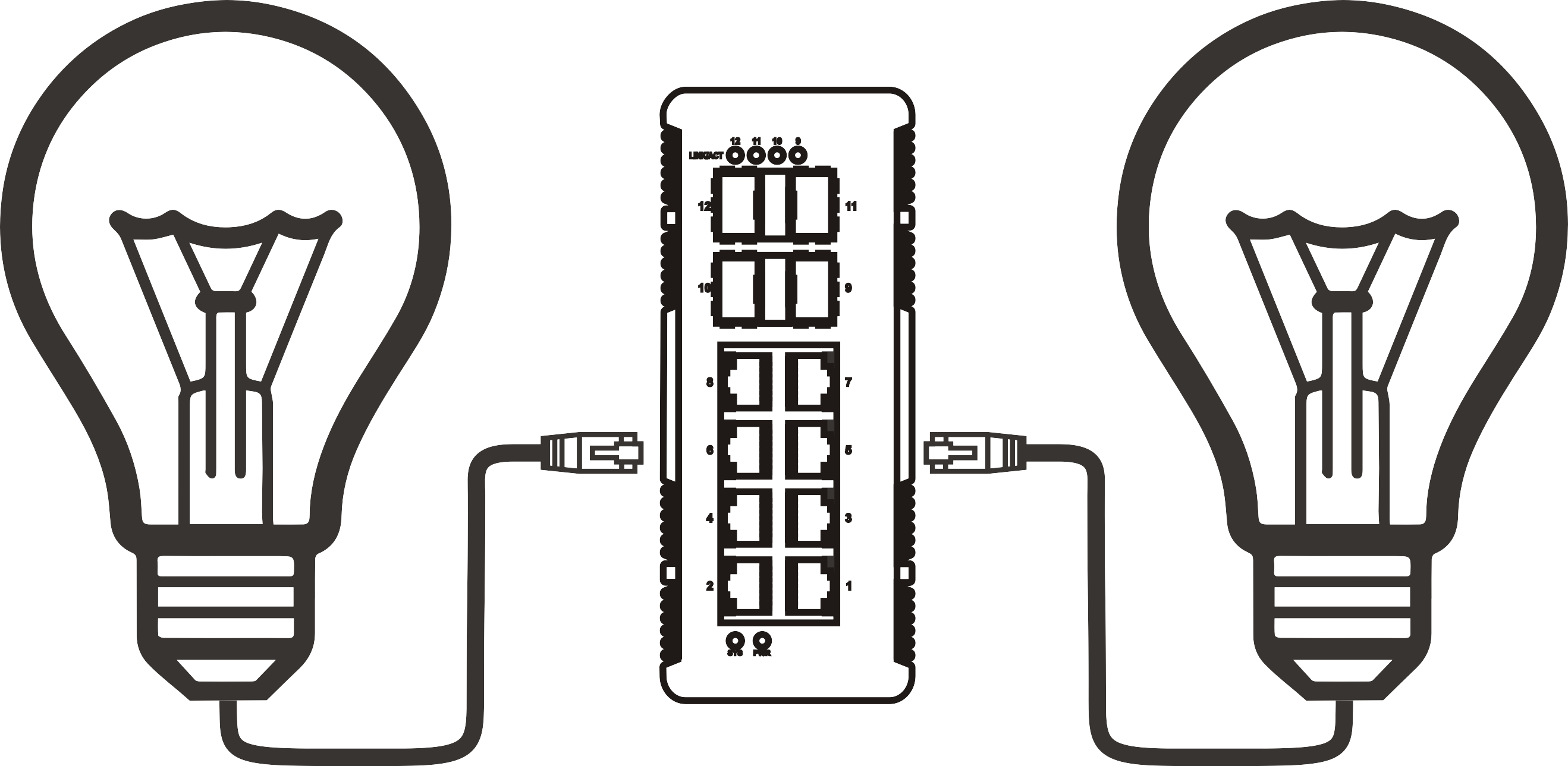


Choosing the Right 802.3bt High-Power PoE Switches for Your Needs
Time: 2026-03-05
Choosing the Right 802.3bt High-Power PoE Switches for Your Needs
Table of Contents
- Introduction to 802.3bt High-Power PoE Switches
- Benefits of Using 802.3bt High-Power PoE Switches
- Key Features to Look for in PoE Switches
- Types of 802.3bt High-Power PoE Switches
- Compatibility with Devices and Standards
- Installation Process for 802.3bt High-Power PoE Switches
- Maintenance Tips for Longevity
- Conclusion
- FAQs about 802.3bt High-Power PoE Switches
Introduction to 802.3bt High-Power PoE Switches
In the ever-evolving world of networking, **Power over Ethernet (PoE)** technology has become essential for powering devices such as IP cameras, VoIP phones, and wireless access points. The introduction of **802.3bt**, also known as PoE++, expands the capabilities of PoE by allowing for higher power transmissions. This technology empowers users to connect and power multiple high-power devices through a single Ethernet cable, making installations more efficient and cost-effective.
Understanding how to choose the right **802.3bt high-power PoE switch** can significantly impact your network's performance and reliability. In this article, we will explore the various aspects you should consider when selecting the right switch for your unique needs.
Benefits of Using 802.3bt High-Power PoE Switches
When assessing the advantages of 802.3bt high-power PoE switches, several key benefits stand out:
1. Enhanced Power Delivery
**802.3bt** supports up to **60 watts per port**, allowing for a more extensive range of devices to be powered directly from the switch. This is critical for devices such as pan-tilt-zoom (PTZ) cameras and high-end access points that require more power than earlier PoE standards could provide.
2. Simplified Cabling Infrastructure
Eliminating the need for separate power cables streamlines installation and reduces clutter. This is particularly beneficial in environments where aesthetics and space are a concern.
3. Cost Savings
By combining power and data transmission over a single cable, organizations can save on installation costs and reduce the need for additional electrical infrastructure.
4. Flexibility and Scalability
With the ability to connect various devices, 802.3bt switches offer scalability. This flexibility allows businesses to expand their networks without significant hardware changes.
5. Improved Network Efficiency
With greater power efficiency comes improved performance. Higher power delivery means devices operate optimally, leading to enhanced productivity.
Key Features to Look for in PoE Switches
When evaluating **802.3bt high-power PoE switches**, consider the following features to ensure optimal performance:
1. Power Budget
The total power budget of the switch is crucial. Ensure that the switch can handle the total wattage needed for all connected devices, accounting for future expansions.
2. Port Configuration
Evaluate the number of ports required for your setup. Switches come in various configurations, typically ranging from 8 to 48 ports.
3. Managed vs. Unmanaged
Managed switches offer advanced features such as VLAN support, monitoring, and configuration capabilities, while unmanaged switches are simpler and easier to install.
4. Quality of Service (QoS)
QoS features prioritize traffic, ensuring that critical data is transmitted without delay, which is essential for applications like VoIP and video streaming.
5. Cooling and Design
High-power switches generate heat, so consider models with sufficient cooling mechanisms to maintain optimal performance.
Types of 802.3bt High-Power PoE Switches
Understanding the different types of 802.3bt high-power PoE switches can aid in selecting the right one for your needs:
1. PoE+ Switches
These switches support up to 30 watts per port, suitable for powering devices like security cameras and wireless access points.
2. PoE++ Switches
PoE++ switches fall under the 802.3bt standard, providing up to 60 watts per port, making them ideal for devices that require more power.
3. Layer 2 Managed Switches
These switches provide advanced network management features, allowing for VLANs, network monitoring, and enhanced security.
4. Layer 3 Managed Switches
Layer 3 switches route traffic between different networks, offering more advanced features than Layer 2 switches, and are beneficial for large networks.
Compatibility with Devices and Standards
Compatibility is a critical factor when selecting an **802.3bt high-power PoE switch**. It's essential to ensure that the switch you choose is compatible with the devices you plan to connect.
1. Device Types
Evaluate the types of PoE devices you intend to use, including IP cameras, VoIP phones, and wireless access points. Confirm that these devices either comply with the 802.3bt standard or are backward compatible with earlier PoE standards like 802.3af and 802.3at.
2. Standard Compliance
Ensure that the switch adheres to the 802.3bt standard, which guarantees that it can deliver the necessary power and data transmission efficiently.
Installation Process for 802.3bt High-Power PoE Switches
Proper installation of your **802.3bt high-power PoE switch** is crucial to ensure optimal performance. Here’s a step-by-step guide:
1. Planning Your Network Layout
Assess your existing network layout, including the locations of devices that require power, and plan the switch’s position accordingly.
2. Connecting the Switch
Mount the switch in an appropriate location, ensuring it is close to your devices while maintaining sufficient airflow. Connect it to your network via a standard Ethernet cable.
3. Connecting Devices
Use Ethernet cables to connect your powered devices to the switch. Ensure that the cables meet the required specifications to support PoE.
4. Configuring the Switch
If using a managed switch, access its configuration settings to set up VLANs, QoS settings, and other network management features.
5. Testing the Installation
Finally, test the installation by powering on the switch and checking that all connected devices receive power and function correctly.
Maintenance Tips for Longevity
Maintaining your **802.3bt high-power PoE switches** is vital for ensuring their longevity and reliability. Here are some tips:
1. Regular Monitoring
Continuously monitor the switch’s performance to identify any potential issues, such as overheating or port failures.
2. Firmware Updates
Keep the switch’s firmware up to date to ensure optimal performance and security. Manufacturers frequently release updates to fix bugs and enhance capabilities.
3. Cleaning and Dust Removal
Periodically clean the switch and its surroundings to prevent dust accumulation, which can lead to overheating.
4. Check Power Usage
Regularly review the power usage of connected devices to ensure you do not exceed the switch’s power budget.
5. Backup Configuration Settings
For managed switches, regularly back up configuration settings to safeguard against data loss.
Conclusion
In summary, selecting the right **802.3bt high-power PoE switch** is a crucial decision that can enhance your network's efficiency, flexibility, and scalability. By understanding the benefits, features, types, and installation processes associated with these switches, you can make an informed choice that aligns with your specific needs. Whether you’re powering a small office or a large enterprise network, the right PoE switch will streamline your operations and contribute to a reliable network infrastructure.
FAQs about 802.3bt High-Power PoE Switches
1. What is the maximum power delivery of an 802.3bt PoE switch?
The maximum power delivery of an **802.3bt PoE switch** is up to 60 watts per port, enabling it to power high-demand devices efficiently.
2. Can I use an 802.3bt switch with older PoE devices?
Yes, 802.3bt switches are backward compatible with earlier PoE standards like 802.3af and 802.3at, making them suitable for use with older devices.
3. How do I determine the power budget needed for my switch?
Calculate the power requirements of all connected devices and ensure the switch’s total power budget exceeds this amount to prevent overload.
4. Are managed switches worth the extra cost?
Managed switches offer advanced features like traffic management, monitoring, and security, making them a worthwhile investment for complex network environments.
5. What type of cable do I need for PoE connections?
Use **Category 5e (Cat 5e)** or higher cables (such as Cat 6 or Cat 6a) to support PoE and ensure optimal performance in your network.
More News



Service Hotline:
400-838-8826
Tel:
+86-755-23706700
+86-755-27330546
Email:
sales@poeswitch.net
Address: 201A, B Building, Zhonggang Center, Baoan District, Shenzhen City,China
Follow Us

Copyright © 2025 Shenzhen Hi-Net Technology Co., Ltd All Rights reserved.
Business License