
-
-
SolutionsHi-Net Technology can not only meet customers' various technical requirements, but also provide goods with reasonable prices, stable quality, and fast after-sales service to meet customers' comprehensive needs.

-
ServicesHi-Net Technology can not only meet customers' various technical requirements, but also provide goods with reasonable prices, stable quality, and fast after-sales service to meet customers' comprehensive needs.

-
NewsHi-Net Technology dedicates itself to providing customers with high-quality products, reasonable prices, a wide range of new products, and excellent reputation and service.

-
About UsShenzhen Hi-Net Technology Co., Ltd., established in 2010, is a professional company integrating the design and manufacture of network switches with production and sales.



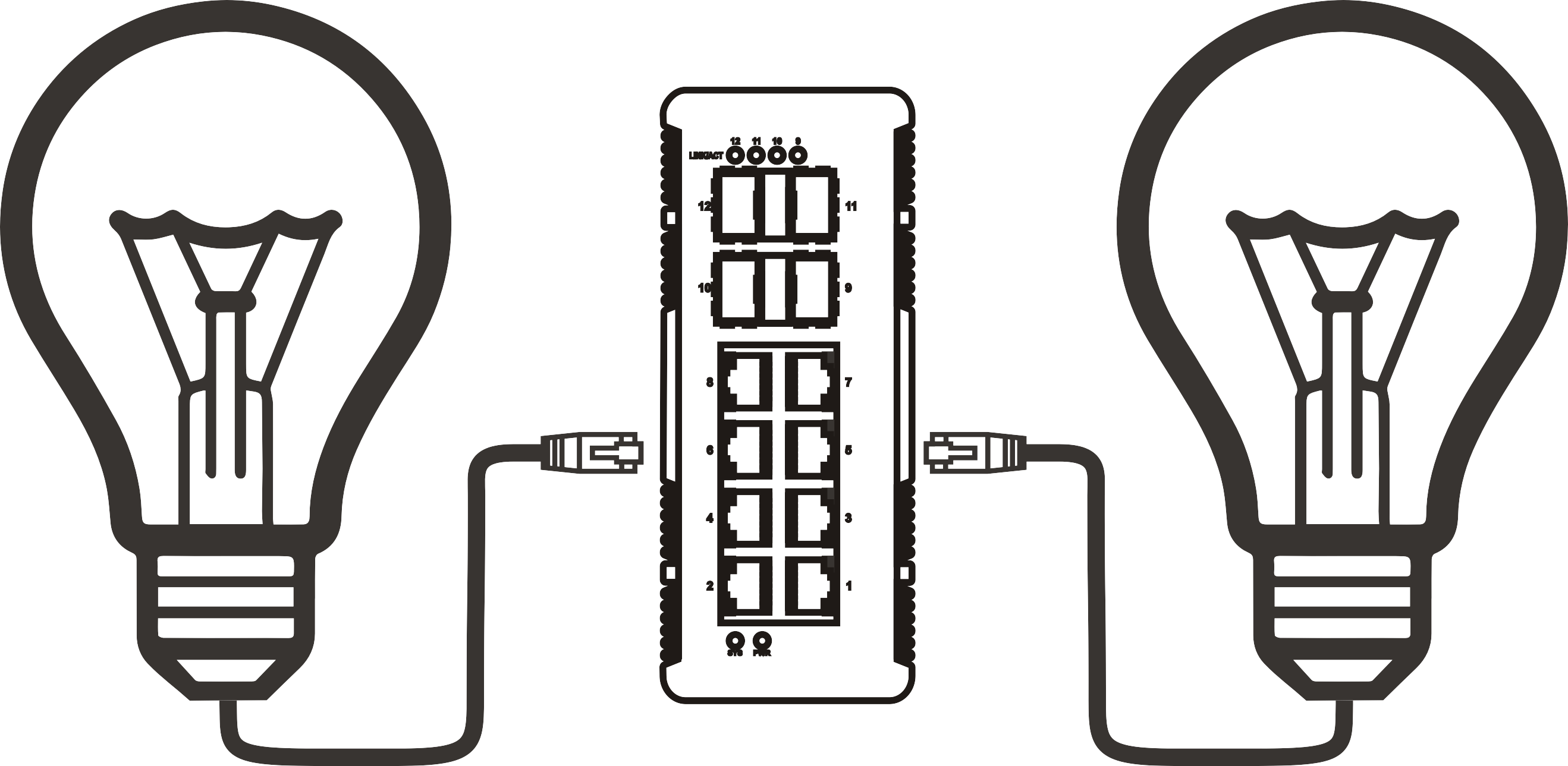


Key Considerations When Installing an Industrial POE Switch: A Comprehensive Guide
Time: 2026-03-09
Key Considerations When Installing an Industrial POE Switch
Introduction to Industrial POE Switches
In today’s fast-paced digital landscape, the demand for reliable and efficient networking solutions is paramount. **Power over Ethernet (POE) switches** have emerged as a crucial component in industrial settings, combining data and power delivery through a single Ethernet cable. This article delves into the key considerations for installing an industrial POE switch, ensuring that your network runs smoothly and efficiently.
Understanding the Basics of POE Technology
POE technology allows network cables to carry electrical power, eliminating the need for separate power sources for devices such as IP cameras, wireless access points, and VoIP phones. By using POE switches, industries can **simplify installations**, reduce cable clutter, and enhance operational efficiency.
What is an Industrial POE Switch?
An industrial POE switch is designed to operate in harsher environments than typical commercial switches. These switches often feature ruggedized enclosures, extended temperature ratings, and enhanced lightning protection, making them ideal for manufacturing plants, warehouses, and outdoor installations.
Benefits of Using POE Switches in Industrial Settings
1. **Cost Efficiency**: Reduces installation costs by eliminating the need for separate power lines.
2. **Simplicity**: Streamlines network infrastructure by combining power and data transmission.
3. **Flexibility**: Enables easy relocation of devices without the need for electrical outlets.
4. **Safety**: Minimizes the risk of electrical hazards through low-voltage operation.
Key Considerations for Installation
When installing an industrial POE switch, several factors must be taken into account to ensure optimal performance and reliability.
1. Environmental Conditions
Industrial environments can vary significantly in terms of temperature, humidity, and dust levels. It is essential to choose a **POE switch** that can withstand these conditions. Look for switches with an IP (Ingress Protection) rating suitable for your environment.
Temperature Ratings
Ensure the switch operates effectively within your facility’s temperature range. Most industrial POE switches offer a wide temperature range (-40°C to 75°C), but it's crucial to verify this specification based on your specific site conditions.
Humidity and Dust Resistance
In environments prone to moisture and dust, select switches that provide adequate sealing to prevent damage. An **IP67-rated switch** can withstand dust and submersion in water, making it a suitable choice for challenging industrial scenarios.
2. Power Budget Consideration
Understanding power budgets is vital when installing an industrial POE switch. Each connected device consumes a certain amount of power, and the switch must be capable of delivering sufficient power to all devices simultaneously.
Calculating Power Requirements
Add up the total power requirements of all connected devices, ensuring it does not exceed the switch's power budget. For example, if you have four devices requiring 15 watts each, your switch must support at least 60 watts.
Choosing the Right POE Standard
Familiarize yourself with different POE standards: IEEE 802.3af, 802.3at (POE+), and 802.3bt (POE++). Each standard has different power delivery capabilities, so select a switch that meets the requirements of your devices.
3. Network Topology and Design
When planning the installation of an industrial POE switch, consider the overall network design and topology.
Choosing the Right Location
Position the switch in a central location to minimize cable lengths to connected devices. This setup not only ensures better performance but also reduces power loss over long distances.
Understanding Network Traffic
Analyze anticipated network traffic to determine the appropriate switch capacity. A switch with higher bandwidth can handle increased data flow, particularly in environments with numerous connected devices.
4. Compatibility with Existing Infrastructure
Your new industrial POE switch must fit seamlessly within your current network infrastructure.
Assessing Device Compatibility
Ensure that the devices you plan to connect to the switch are compatible with POE technology. Some legacy devices may require additional adapters or might not support POE at all.
Network Protocols and Standards
Verify that the switch supports the necessary network protocols for your application, such as VLANs, QoS, and multicast. This compatibility guarantees smooth integration into your existing network.
5. Security Features
With the increasing threats to industrial networks, security cannot be overlooked.
Implementing Network Security
Choose switches that offer robust security features like port security, VLAN support, and the ability to configure access control lists (ACLs). These features prevent unauthorized access and protect sensitive data.
Regular Firmware Updates
It’s essential to keep the switch’s firmware updated to safeguard against vulnerabilities. Regular updates can enhance performance and add new features.
6. Scalability and Future-Proofing
As your business grows, your network needs may change. An ideal industrial POE switch should accommodate future expansions.
Consideration for Future Devices
Plan for potential increases in device connections and power requirements. Select a switch that allows for expansion without necessitating a complete overhaul of your network.
Choosing Modular Options
Some industrial switches offer modular designs, allowing you to add or replace modules as needed. This flexibility can save on costs in the long run.
7. Installation Best Practices
Proper installation is critical for maximizing the performance and longevity of your industrial POE switch.
Following Manufacturer Guidelines
Always adhere to the manufacturer’s installation guidelines. This step ensures compliance with warranty requirements and optimizes switch performance.
Testing and Verification
Once installed, thoroughly test the switch and connected devices to ensure they operate correctly. Use network testing tools to verify performance and address any issues that arise.
Common Mistakes to Avoid
Mistakes during installation can lead to significant downtime and costly repairs. Here are common pitfalls to watch for:
Neglecting Documentation
Keep detailed records of your installation process, including device configurations and network layouts. Documentation simplifies troubleshooting and future upgrades.
Overlooking Cooling Requirements
Ensure adequate airflow around the switch to prevent overheating. In confined spaces, consider implementing ventilation or cooling solutions.
FAQs
What is the difference between POE and non-POE switches?
POE switches provide both data and power over Ethernet cables, while non-POE switches only deliver data. POE switches are ideal for powering devices like IP cameras and access points without needing a separate power source.
How do I calculate the power consumption of my devices?
Check the power specifications of each device. Add the wattages together to determine the total power required to ensure your POE switch can handle the load.
Can I use a standard switch for industrial applications?
While standard switches may work, industrial POE switches offer enhanced durability, temperature tolerance, and environmental protection, making them more suitable for harsh conditions.
What should I do if my devices are not receiving power?
First, check the cable connections and ensure they are properly seated. Next, verify that the switch's power budget supports the connected devices. If issues persist, consult the switch’s documentation for troubleshooting steps.
How can I improve the security of my industrial POE switch?
Implement security measures such as VLANs, port security, and access control lists (ACLs). Regularly update the firmware to protect against vulnerabilities.
Conclusion
In conclusion, installing an industrial POE switch requires careful consideration of various factors, including environmental conditions, power requirements, network design, compatibility, security, and scalability. By following best practices and avoiding common pitfalls, you can ensure a successful installation that meets your current and future networking needs. With the right approach, an industrial POE switch can significantly enhance your network's efficiency and reliability, paving the way for smooth operations in your industrial environment.
More News



Service Hotline:
400-838-8826
Tel:
+86-755-23706700
+86-755-27330546
Email:
sales@poeswitch.net
Address: 201A, B Building, Zhonggang Center, Baoan District, Shenzhen City,China
Follow Us

Copyright © 2025 Shenzhen Hi-Net Technology Co., Ltd All Rights reserved.
Business License