
-
-
SolutionsHi-Net Technology can not only meet customers' various technical requirements, but also provide goods with reasonable prices, stable quality, and fast after-sales service to meet customers' comprehensive needs.

-
ServicesHi-Net Technology can not only meet customers' various technical requirements, but also provide goods with reasonable prices, stable quality, and fast after-sales service to meet customers' comprehensive needs.

-
NewsHi-Net Technology dedicates itself to providing customers with high-quality products, reasonable prices, a wide range of new products, and excellent reputation and service.

-
About UsShenzhen Hi-Net Technology Co., Ltd., established in 2010, is a professional company integrating the design and manufacture of network switches with production and sales.



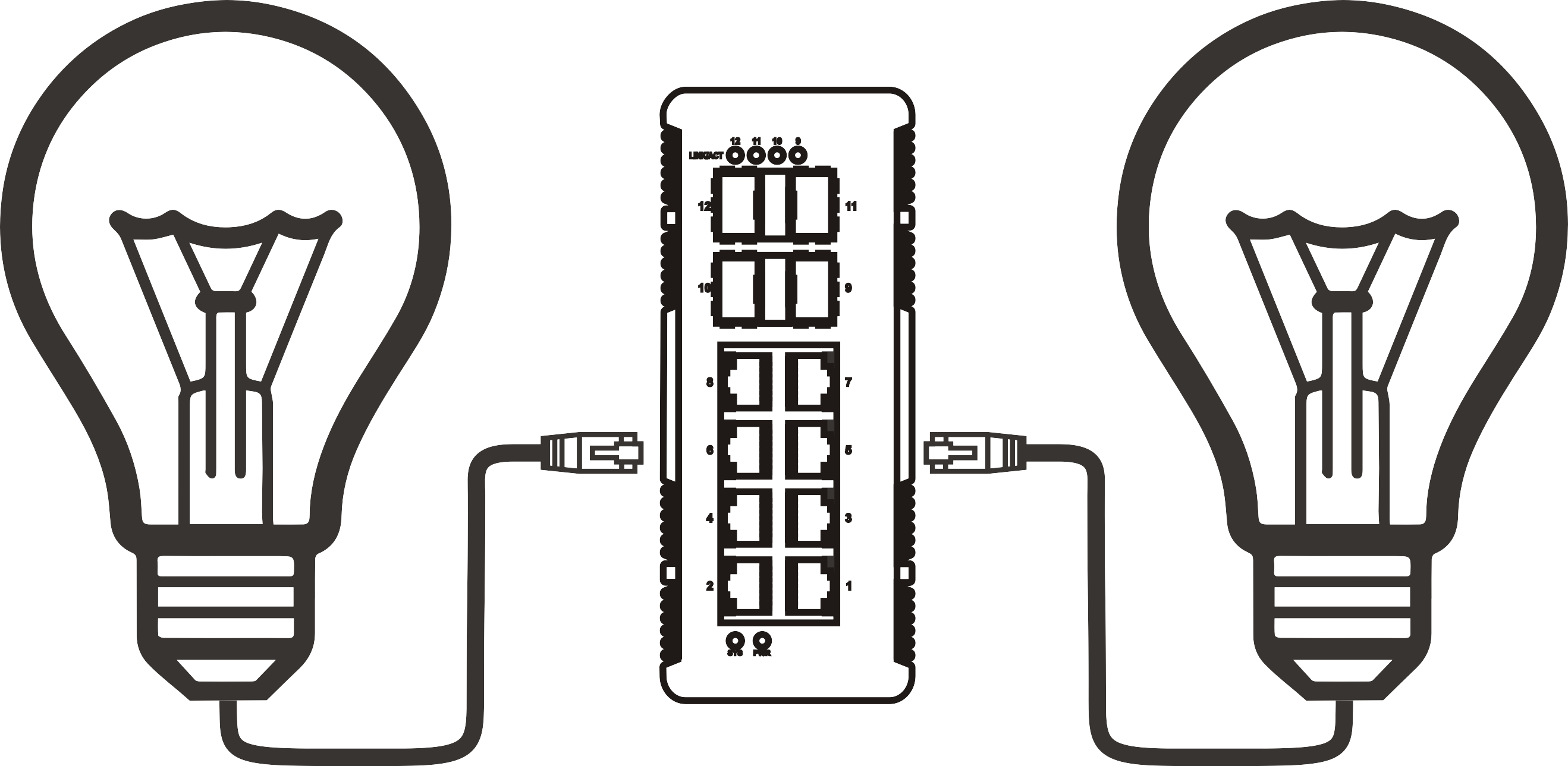


Understanding Data Center Switches: Key Considerations for Professionals
Time: 2026-03-15
Data center switches serve as the backbone of modern data centers, facilitating communication between servers and storage systems. When selecting data center switches, several key factors should be considered to ensure optimal performance, scalability, and efficiency.
1. **Switching Capacity and Performance**: A critical aspect of data center switches is their switching capacity, which determines how much data the switch can handle at any given time. Look for switches that offer high throughput and low latency to support the growing demands of data traffic. The ability to handle multiple 10G, 40G, or even 100G connections simultaneously is crucial for maintaining performance in high-density environments.
2. **Scalability**: As data centers expand, the need for switches that can scale effectively becomes paramount. Consider switches that support stacking and modular configurations, allowing for easy expansion without significant downtime or reconfiguration. This scalability ensures that your data center can grow in line with business needs without requiring a complete overhaul of your network infrastructure.
3. **Redundancy and Reliability**: Data center switches must offer high availability and redundancy features to minimize downtime. Look for switches with redundant power supplies and cooling systems, as well as features like link aggregation and failover protocols to enhance reliability. Ensuring that your network remains operational during hardware failures is essential for maintaining business continuity.
4. **Management and Automation**: Modern data center switches come equipped with sophisticated management tools that simplify network monitoring and configuration. Features such as software-defined networking (SDN) and automation tools enable IT professionals to manage complex networks efficiently. Understanding these management capabilities can help minimize operational overhead and reduce the chances of human error.
5. **Security Features**: With increasing concerns over data breaches and cyber threats, security features integrated into data center switches are more important than ever. Look for switches that offer robust security protocols, such as access control lists (ACLs), port security, and support for encryption standards to protect sensitive data as it travels across the network.
6. **Cost of Ownership**: While initial costs are a consideration, professionals should also evaluate the total cost of ownership (TCO) over the switch's lifespan. This includes maintenance, energy consumption, and any potential need for upgrades. Investing in energy-efficient switches can lead to significant savings in operational costs over time.
In conclusion, understanding the intricacies of data center switches is essential for professionals in the network hardware sector. By focusing on key aspects such as performance, scalability, reliability, management capabilities, security, and overall cost, IT professionals can make informed decisions that bolster their data center's performance and efficiency while aligning with future growth. Implementing the right data center switches not only supports current operational needs but also positions organizations for success in the increasingly data-driven world.
1. **Switching Capacity and Performance**: A critical aspect of data center switches is their switching capacity, which determines how much data the switch can handle at any given time. Look for switches that offer high throughput and low latency to support the growing demands of data traffic. The ability to handle multiple 10G, 40G, or even 100G connections simultaneously is crucial for maintaining performance in high-density environments.
2. **Scalability**: As data centers expand, the need for switches that can scale effectively becomes paramount. Consider switches that support stacking and modular configurations, allowing for easy expansion without significant downtime or reconfiguration. This scalability ensures that your data center can grow in line with business needs without requiring a complete overhaul of your network infrastructure.
3. **Redundancy and Reliability**: Data center switches must offer high availability and redundancy features to minimize downtime. Look for switches with redundant power supplies and cooling systems, as well as features like link aggregation and failover protocols to enhance reliability. Ensuring that your network remains operational during hardware failures is essential for maintaining business continuity.
4. **Management and Automation**: Modern data center switches come equipped with sophisticated management tools that simplify network monitoring and configuration. Features such as software-defined networking (SDN) and automation tools enable IT professionals to manage complex networks efficiently. Understanding these management capabilities can help minimize operational overhead and reduce the chances of human error.
5. **Security Features**: With increasing concerns over data breaches and cyber threats, security features integrated into data center switches are more important than ever. Look for switches that offer robust security protocols, such as access control lists (ACLs), port security, and support for encryption standards to protect sensitive data as it travels across the network.
6. **Cost of Ownership**: While initial costs are a consideration, professionals should also evaluate the total cost of ownership (TCO) over the switch's lifespan. This includes maintenance, energy consumption, and any potential need for upgrades. Investing in energy-efficient switches can lead to significant savings in operational costs over time.
In conclusion, understanding the intricacies of data center switches is essential for professionals in the network hardware sector. By focusing on key aspects such as performance, scalability, reliability, management capabilities, security, and overall cost, IT professionals can make informed decisions that bolster their data center's performance and efficiency while aligning with future growth. Implementing the right data center switches not only supports current operational needs but also positions organizations for success in the increasingly data-driven world.
More News


Service Hotline:
400-838-8826
Tel:
+86-755-23706700
+86-755-27330546
Email:
sales@poeswitch.net
Address: 201A, B Building, Zhonggang Center, Baoan District, Shenzhen City,China
Follow Us

Copyright © 2025 Shenzhen Hi-Net Technology Co., Ltd All Rights reserved.
Business License