
-
-
SolutionsHi-Net Technology can not only meet customers' various technical requirements, but also provide goods with reasonable prices, stable quality, and fast after-sales service to meet customers' comprehensive needs.

-
ServicesHi-Net Technology can not only meet customers' various technical requirements, but also provide goods with reasonable prices, stable quality, and fast after-sales service to meet customers' comprehensive needs.

-
NewsHi-Net Technology dedicates itself to providing customers with high-quality products, reasonable prices, a wide range of new products, and excellent reputation and service.

-
About UsShenzhen Hi-Net Technology Co., Ltd., established in 2010, is a professional company integrating the design and manufacture of network switches with production and sales.



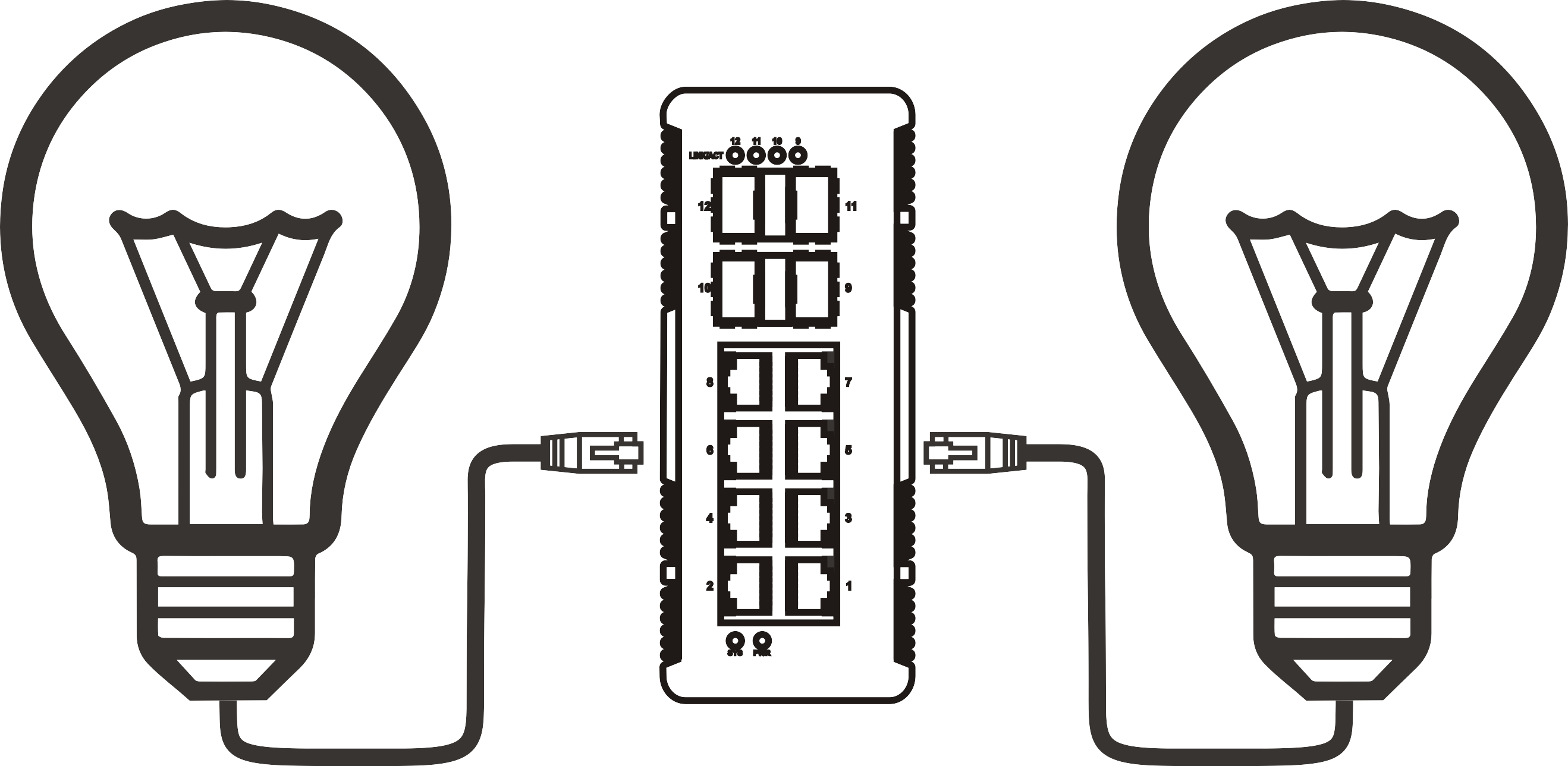


How EN50155 Industrial Switches Facilitate Remote Monitoring in Network Infrastructure
Time: 2026-03-21
How EN50155 Industrial Switches Facilitate Remote Monitoring in Network Infrastructure
Table of Contents
1. Introduction to EN50155 Industrial Switches
2. Understanding Remote Monitoring in Network Systems
2.1 Definition and Importance of Remote Monitoring
2.2 Key Components of Remote Monitoring Systems
3. EN50155 Standards: What You Need to Know
3.1 Overview of EN50155 Specifications
3.2 Types of EN50155 Industrial Switches
4. How EN50155 Industrial Switches Enhance Remote Monitoring
4.1 Seamless Data Transmission and Connectivity
4.2 Rugged Design for Harsh Environments
4.3 Real-Time Data Analysis and Reporting
5. Applications of EN50155 Industrial Switches in Remote Monitoring
5.1 Transportation Systems
5.2 Energy Sector
5.3 Industrial Automation
6. Benefits of Using EN50155 Industrial Switches for Remote Monitoring
6.1 Increased Operational Efficiency
6.2 Cost-Effectiveness and ROI
6.3 Enhanced Security Features
7. Challenges and Considerations
7.1 Selecting the Right Switch for Your Needs
7.2 Ensuring System Compatibility
8. Frequently Asked Questions (FAQs)
9. Conclusion
1. Introduction to EN50155 Industrial Switches
EN50155 industrial switches are specifically designed for railway and transportation applications, ensuring reliable performance in demanding environments. These switches adhere to the EN50155 standard, which outlines the requirements for electronic equipment used in rolling stock. This article delves into how these switches facilitate remote monitoring, a crucial aspect of maintaining efficient and secure network infrastructure.
2. Understanding Remote Monitoring in Network Systems
Remote monitoring involves the observation and management of networked systems from a distance. This capability is vital for various industries, enabling operators to maintain oversight without needing physical presence.
2.1 Definition and Importance of Remote Monitoring
Remote monitoring refers to the use of technology to monitor devices and systems in real-time, regardless of their location. It allows organizations to detect issues proactively, optimize performance, and minimize downtime.
2.2 Key Components of Remote Monitoring Systems
Effective remote monitoring systems consist of several components, including sensors, data transmission devices, and analytics software. EN50155 industrial switches play a pivotal role in facilitating reliable data transmission between these components.
3. EN50155 Standards: What You Need to Know
Understanding the EN50155 standards is essential for selecting the right industrial switch for your needs. These standards ensure that devices can withstand the harsh conditions typical in railway environments.
3.1 Overview of EN50155 Specifications
The EN50155 standard covers multiple aspects, including temperature ranges, humidity resistance, and shock/vibration tolerances. It ensures that industrial switches can operate effectively in various environmental conditions.
3.2 Types of EN50155 Industrial Switches
There are different types of EN50155 industrial switches, including managed and unmanaged switches. Managed switches provide enhanced control and monitoring capabilities, making them ideal for remote monitoring applications.
4. How EN50155 Industrial Switches Enhance Remote Monitoring
EN50155 industrial switches are engineered to optimize remote monitoring through several key features.
4.1 Seamless Data Transmission and Connectivity
These switches facilitate robust data communication across the network, ensuring that information is transmitted quickly and accurately. This connectivity is critical for real-time monitoring and decision-making.
4.2 Rugged Design for Harsh Environments
Built to endure extreme temperatures, vibrations, and humidity, EN50155 industrial switches maintain performance in challenging conditions, ensuring continuous monitoring capabilities.
4.3 Real-Time Data Analysis and Reporting
With advanced analytics capabilities, these switches enable real-time data processing, allowing organizations to respond swiftly to any anomalies or issues.
5. Applications of EN50155 Industrial Switches in Remote Monitoring
The versatility of EN50155 industrial switches makes them suitable for various applications.
5.1 Transportation Systems
In the transportation sector, these switches help monitor train systems, providing critical data that enhances safety and efficiency.
5.2 Energy Sector
EN50155 switches are employed in energy management systems, enabling operators to monitor equipment and energy consumption remotely.
5.3 Industrial Automation
In manufacturing, these switches support the monitoring of machinery and processes, leading to increased productivity and reduced operational costs.
6. Benefits of Using EN50155 Industrial Switches for Remote Monitoring
Investing in EN50155 industrial switches offers numerous benefits for organizations.
6.1 Increased Operational Efficiency
By facilitating remote monitoring, organizations can streamline operations, minimize downtime, and enhance overall efficiency.
6.2 Cost-Effectiveness and ROI
The ability to monitor systems remotely reduces the need for on-site personnel, leading to significant cost savings and improved return on investment.
6.3 Enhanced Security Features
Many EN50155 industrial switches come equipped with advanced security features, including encryption and access control, ensuring that data is protected against unauthorized access.
7. Challenges and Considerations
While EN50155 industrial switches offer numerous advantages, organizations must also consider potential challenges.
7.1 Selecting the Right Switch for Your Needs
Choosing the appropriate switch requires an understanding of specific application requirements, including data rates and environmental conditions.
7.2 Ensuring System Compatibility
Compatibility with existing network infrastructure is crucial. Organizations should ensure that new switches integrate seamlessly with current systems to avoid disruptions.
8. Frequently Asked Questions (FAQs)
What industries benefit from EN50155 industrial switches?
EN50155 industrial switches are widely used in transportation, energy, and industrial automation sectors.
How do EN50155 industrial switches improve remote monitoring?
These switches offer robust connectivity, rugged design, and real-time data processing, enhancing monitoring capabilities.
What are the environmental specifications of EN50155 switches?
EN50155 switches are built to withstand extreme temperatures, humidity, and shock/vibration, ensuring reliability in harsh conditions.
Can EN50155 switches be used in non-railway applications?
Yes, while designed for railway applications, their ruggedness and reliability make them suitable for various industrial environments.
What is the difference between managed and unmanaged EN50155 switches?
Managed switches provide enhanced monitoring and control features, while unmanaged switches offer basic connectivity without additional configuration.
9. Conclusion
In conclusion, EN50155 industrial switches significantly enhance remote monitoring capabilities across various sectors. Their adherence to rigorous standards ensures reliability in harsh conditions, while their advanced features facilitate seamless data transmission and real-time analysis. As industries continue to embrace digital transformation, the role of EN50155 switches in remote monitoring will only grow, making them essential components of modern network infrastructure. Investing in these switches not only improves operational efficiency but also ensures a secure and cost-effective solution for organizations looking to optimize their monitoring systems.
More News



Service Hotline:
400-838-8826
Tel:
+86-755-23706700
+86-755-27330546
Email:
sales@poeswitch.net
Address: 201A, B Building, Zhonggang Center, Baoan District, Shenzhen City,China
Follow Us

Copyright © 2025 Shenzhen Hi-Net Technology Co., Ltd All Rights reserved.
Business License