
-
-
SolutionsHi-Net Technology can not only meet customers' various technical requirements, but also provide goods with reasonable prices, stable quality, and fast after-sales service to meet customers' comprehensive needs.

-
ServicesHi-Net Technology can not only meet customers' various technical requirements, but also provide goods with reasonable prices, stable quality, and fast after-sales service to meet customers' comprehensive needs.

-
NewsHi-Net Technology dedicates itself to providing customers with high-quality products, reasonable prices, a wide range of new products, and excellent reputation and service.

-
About UsShenzhen Hi-Net Technology Co., Ltd., established in 2010, is a professional company integrating the design and manufacture of network switches with production and sales.



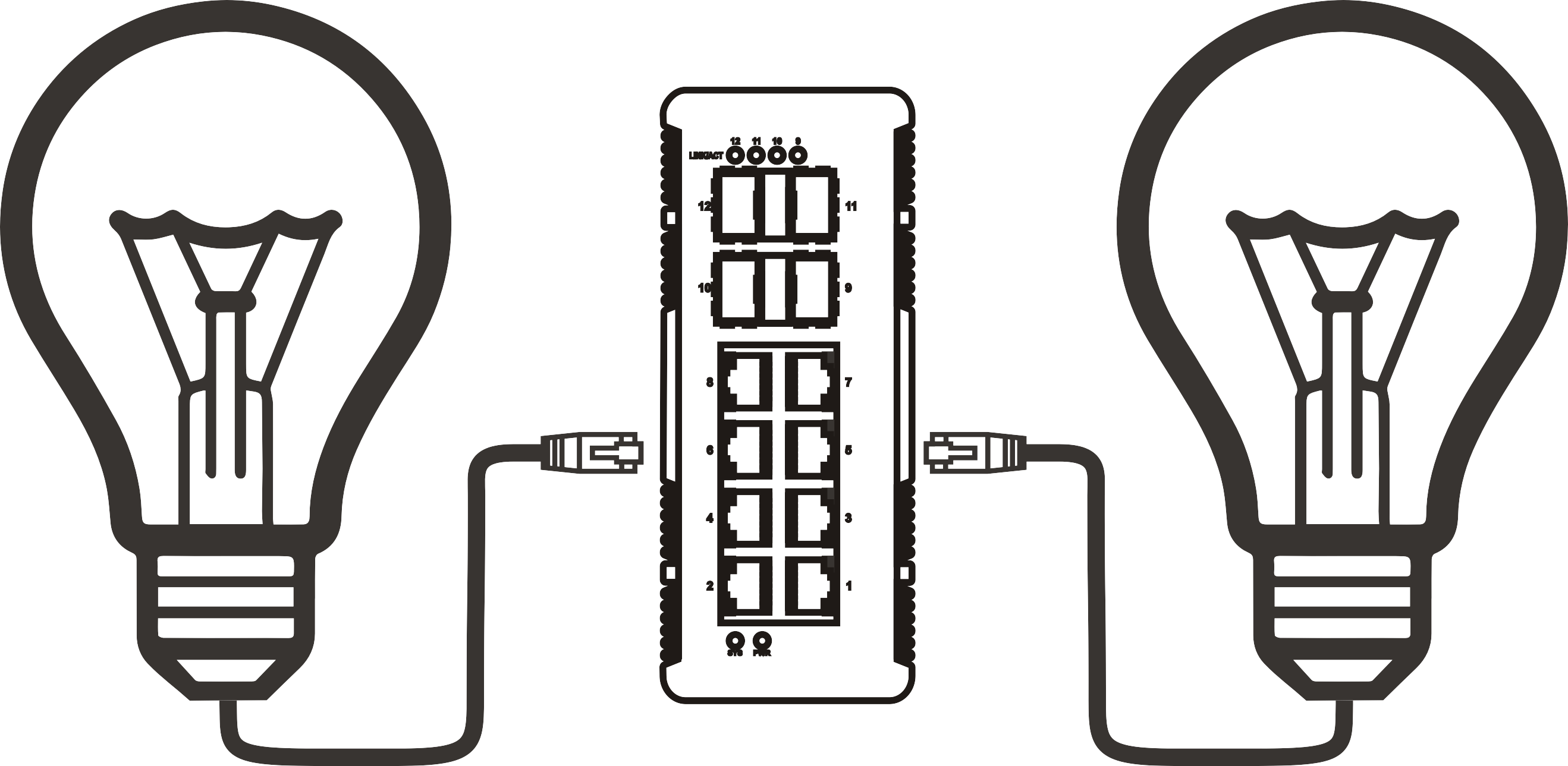


Integrating SDVoE Products Into Your Existing Network Infrastructure: A Comprehensive Guide
Time: 2026-04-06
Integrating SDVoE Products Into Your Existing Network Infrastructure
Table of Contents
- Understanding SDVoE Technology
- Key Benefits of SDVoE Integration
- Assessing Your Current Network Infrastructure
- Planning Your SDVoE Integration Strategy
- Choosing the Right SDVoE Products
- Implementing SDVoE Solutions
- Testing and Verifying Your Integration
- Common Challenges and How to Overcome Them
- Future-Proofing Your Network with SDVoE
Understanding SDVoE Technology
SDVoE, or Software Defined Video over Ethernet, is a revolutionary technology that allows for the transmission of high-quality video over standard Ethernet networks. Unlike traditional video transmission methods, SDVoE eliminates the need for complex cabling and hardware setups, making it an ideal solution for modern AV applications. By leveraging the power of Ethernet, SDVoE offers low-latency video distribution, scalability, and flexibility, making it a perfect fit for any network infrastructure.
Key Benefits of SDVoE Integration
Integrating SDVoE products into your existing network infrastructure offers numerous advantages:
- Enhanced Video Quality: SDVoE supports resolutions up to 4K and beyond, ensuring crystal-clear video output.
- Low Latency: With minimal delay, SDVoE provides real-time video performance, crucial for live events and applications.
- Scalability: Easily expand your network capabilities by adding more SDVoE devices without overhauling your existing infrastructure.
- Cost Efficiency: Reduce the need for expensive dedicated video cabling and hardware, thereby lowering installation and maintenance costs.
- Interoperability: SDVoE products are compatible with a wide range of existing IP-based systems, facilitating smooth integration.
Assessing Your Current Network Infrastructure
Before integrating SDVoE products, it's critical to evaluate your existing network infrastructure. Consider the following factors:
- Bandwidth: Ensure your network can handle the additional traffic generated by high-resolution video streams.
- Network Switches: Use managed switches that support IGMP snooping and QoS to optimize video streaming performance.
- Cabling: Assess whether your current cabling (Cat 5e, Cat 6, or higher) is adequate for SDVoE transmission.
- Existing Equipment: Identify any legacy systems that may need upgrading or replacing for seamless integration.
Planning Your SDVoE Integration Strategy
A well-structured integration plan is vital for the success of your SDVoE deployment. Here are some steps to consider:
- Define Objectives: Clearly outline what you want to achieve through SDVoE integration, such as improved video quality or increased system flexibility.
- Select a Deployment Model: Choose between a centralized or decentralized model based on your operational needs and infrastructure.
- Design Network Topology: Map out how SDVoE devices will connect within your network to ensure optimal performance.
- Set a Budget: Calculate the costs involved in upgrading your network and acquiring SDVoE products.
Choosing the Right SDVoE Products
With a wide array of SDVoE products available, selecting the right ones for your network is essential. Consider the following:
- Transmitters and Receivers: Choose devices based on the number of video sources and displays you intend to connect.
- Hubs and Switches: Invest in reliable switches designed specifically for SDVoE to ensure optimal performance.
- Software Management Tools: Utilize software solutions that allow for centralized management of your SDVoE network.
- Vendor Support: Opt for products from reputable vendors that offer robust customer support and documentation.
Implementing SDVoE Solutions
Once you've selected the right products, it's time to implement your SDVoE solutions. Follow these steps for a smooth integration process:
- Installation: Carefully follow the manufacturer's guidelines to install transmitters, receivers, and switches in your network.
- Configuration: Configure the devices and network settings to optimize video distribution and performance.
- Connectivity Testing: Perform initial tests to ensure all devices communicate effectively and deliver the expected video quality.
- Documentation: Keep detailed records of your setup, configuration, and any changes made during implementation.
Testing and Verifying Your Integration
After implementation, thorough testing is essential to guarantee your network's performance. Focus on these key areas:
- Video Quality: Assess the quality of the video output at various resolutions and frame rates.
- Latency Measurement: Measure latency to ensure it meets the required standards for your applications.
- Network Stability: Monitor network performance over time to identify any issues that may arise.
- User Feedback: Gather feedback from users to determine if the integration meets their needs and expectations.
Common Challenges and How to Overcome Them
While integrating SDVoE products, you may encounter challenges. Here are some common issues and their solutions:
- Bandwidth Limitations: Upgrade your network infrastructure if you experience bandwidth bottlenecks.
- Compatibility Issues: Ensure all devices are compatible with each other and your existing systems.
- Configuration Errors: Invest time in training your IT staff on SDVoE configuration and management.
- Scaling Challenges: Plan for future growth by designing a scalable architecture from the start.
Future-Proofing Your Network with SDVoE
To ensure your network remains relevant, consider these future-proofing strategies:
- Stay Updated: Keep abreast of the latest developments in SDVoE technology and standards.
- Flexible Architecture: Design your network to easily incorporate new technologies and upgrades as they emerge.
- Regular Maintenance: Conduct regular audits and maintenance checks to sustain optimal performance.
- Training and Development: Invest in ongoing training for your team to keep their skills aligned with technological advancements.
Frequently Asked Questions (FAQs)
1. What is SDVoE, and how does it work?
SDVoE stands for Software Defined Video over Ethernet. It utilizes standard Ethernet networks to transmit high-quality video signals, allowing for flexible and scalable video distribution.
2. How can I determine if my network is ready for SDVoE integration?
Assess your existing bandwidth, cabling quality, network switches, and any legacy systems that may require upgrades to support SDVoE.
3. What types of SDVoE products should I consider for my network?
Look for compatible transmitters, receivers, and switches designed specifically for SDVoE, as well as software management tools for centralized control.
4. What are the installation requirements for SDVoE products?
Installation generally requires following the manufacturer's guidelines, ensuring proper cabling, and configuring network settings to optimize performance.
5. How can I troubleshoot common integration issues with SDVoE?
Monitor bandwidth, check device compatibility, verify configurations, and consider scalability when addressing common challenges during integration.
Conclusion
Integrating SDVoE products into your existing network infrastructure is a strategic move that can enhance your video distribution capabilities significantly. By understanding SDVoE technology, planning effectively, and addressing potential challenges, you can create a robust network ready for future demands. Embrace this technology to enjoy high-quality video transmission, efficiency, and scalability that will stand the test of time.
More News


Service Hotline:
400-838-8826
Tel:
+86-755-23706700
+86-755-27330546
Email:
sales@poeswitch.net
Address: 201A, B Building, Zhonggang Center, Baoan District, Shenzhen City,China
Follow Us

Copyright © 2025 Shenzhen Hi-Net Technology Co., Ltd All Rights reserved.