
-
-
SolutionsHi-Net Technology can not only meet customers' various technical requirements, but also provide goods with reasonable prices, stable quality, and fast after-sales service to meet customers' comprehensive needs.

-
ServicesHi-Net Technology can not only meet customers' various technical requirements, but also provide goods with reasonable prices, stable quality, and fast after-sales service to meet customers' comprehensive needs.

-
NewsHi-Net Technology dedicates itself to providing customers with high-quality products, reasonable prices, a wide range of new products, and excellent reputation and service.

-
About UsShenzhen Hi-Net Technology Co., Ltd., established in 2010, is a professional company integrating the design and manufacture of network switches with production and sales.



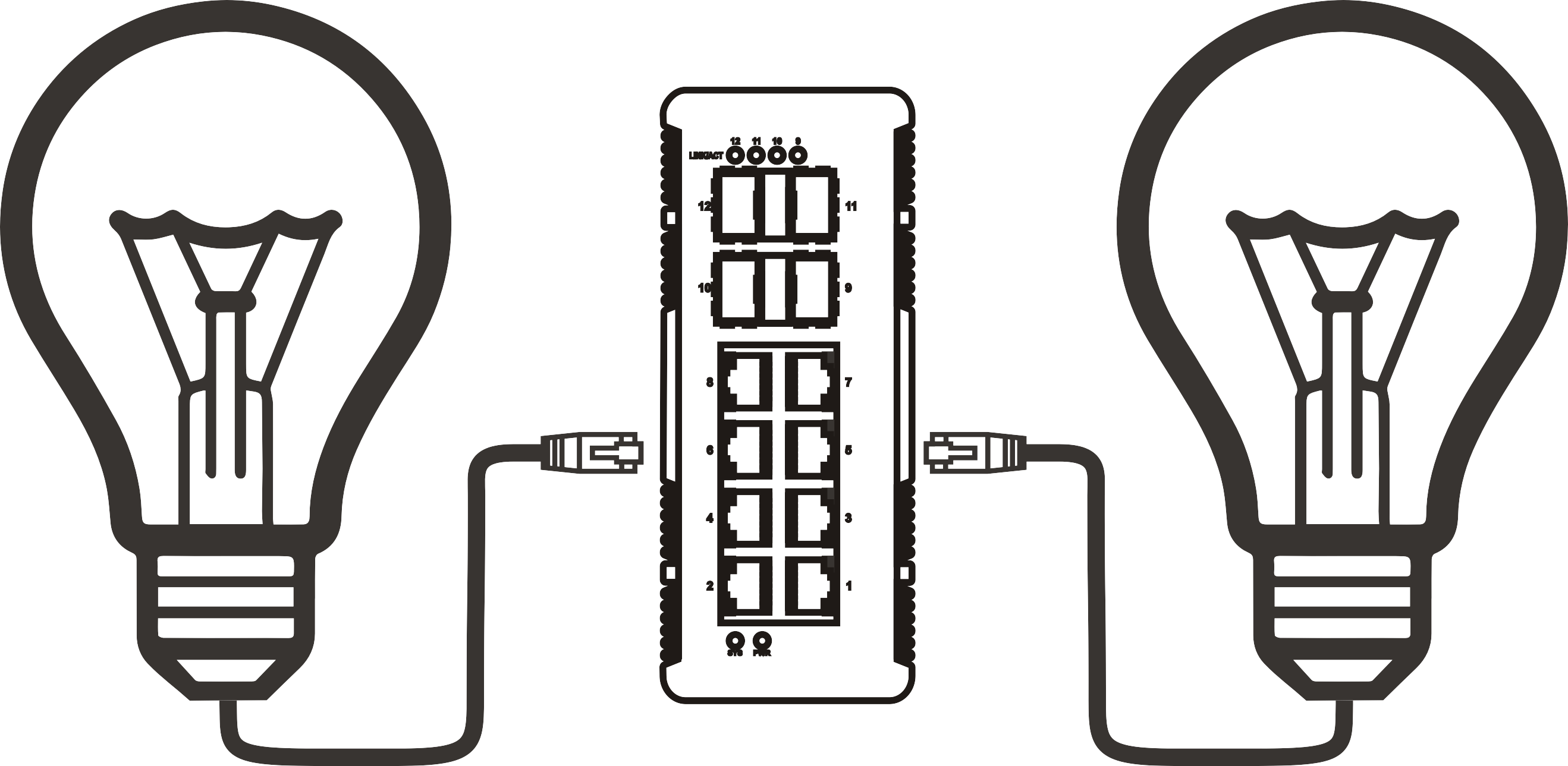


Adapting to Change: EN50155 Industrial Switches for Evolving Industries
Time: 2026-04-30
Adapting to Change: EN50155 Industrial Switches for Evolving Industries
Table of Contents
1. Introduction to EN50155 Industrial Switches
2. The Importance of Industrial Networking in Modern Industries
3. Key Features of EN50155 Industrial Switches
3.1. Durability and Reliability
3.2. Temperature Tolerance
3.3. Power Redundancy
3.4. Network Flexibility
4. Applications of EN50155 Industrial Switches
4.1. Transportation Systems
4.2. Energy Sector
4.3. Manufacturing and Automation
5. Advancements in EN50155 Technology
6. Selecting the Right EN50155 Industrial Switch
6.1. Assessing Your Needs
6.2. Evaluating Vendor Options
7. Common Challenges and Solutions
8. Future Trends in Industrial Networking
9. FAQs
10. Conclusion
1. Introduction to EN50155 Industrial Switches
In an era of rapid technological advancement, **EN50155 industrial switches** have emerged as essential components in modern industrial networks. These switches are specifically designed for use in railway and other transportation applications, adhering to stringent standards that ensure they operate reliably in challenging environments. The EN50155 standard addresses various factors, including temperature extremes, humidity, vibration, and electrical noise, making these switches pivotal for mission-critical applications.
2. The Importance of Industrial Networking in Modern Industries
Industrial networking facilitates seamless communication between devices, systems, and applications within various sectors. As industries evolve, the demand for **robust networking solutions** rises. EN50155 industrial switches enable industries to harness the full potential of the Internet of Things (IoT), automation, and real-time data analytics. A reliable network ensures operational efficiency, safety, and the ability to adapt to changing conditions.
3. Key Features of EN50155 Industrial Switches
Understanding the distinct features of EN50155 industrial switches is crucial for appreciating their value in evolving industries.
3.1. Durability and Reliability
EN50155 switches are built to withstand harsh conditions found in industrial environments. Their rugged design ensures they remain operational even in the face of vibrations, shocks, and extreme weather conditions.
3.2. Temperature Tolerance
One of the most critical aspects of EN50155 compliant switches is their ability to function effectively across a wide range of temperatures. Many models can operate in temperatures ranging from -40°C to +75°C, making them suitable for outdoor applications and extreme environments.
3.3. Power Redundancy
To ensure uninterrupted operation, EN50155 switches often come equipped with multiple power input options. This redundancy minimizes downtime, allowing industries to maintain continuous operations even in the event of a power failure.
3.4. Network Flexibility
EN50155 industrial switches support various network protocols, enabling seamless integration with existing infrastructure. This flexibility is vital for industries undergoing digital transformation, as it allows for smoother transitions to modern networking solutions.
4. Applications of EN50155 Industrial Switches
The versatility of EN50155 industrial switches allows them to be utilized across various applications.
4.1. Transportation Systems
These switches play a critical role in railway systems, facilitating reliable communication between train control systems, signaling equipment, and passenger information systems. Their ability to operate in severe conditions makes them indispensable for rail operators.
4.2. Energy Sector
In the energy sector, EN50155 switches are used in renewable energy installations, such as wind and solar farms. They help manage data flow between generation equipment and control systems, ensuring efficient energy distribution.
4.3. Manufacturing and Automation
Manufacturers utilize EN50155 switches to enhance automation processes. By enabling real-time data exchange between machinery and control systems, these switches support optimized production lines and improved operational efficiency.
5. Advancements in EN50155 Technology
As technology evolves, so do EN50155 industrial switches. Recent advancements include the integration of smart features, enhanced security protocols, and support for newer communication standards. These innovations enhance network performance and reliability, allowing industries to adapt to emerging challenges.
6. Selecting the Right EN50155 Industrial Switch
Choosing the right industrial switch involves careful consideration of several factors.
6.1. Assessing Your Needs
Begin by evaluating your network requirements, including the number of devices to be connected, the data throughput needed, and environmental conditions. Understanding these needs will guide your selection process.
6.2. Evaluating Vendor Options
Research potential vendors and their product offerings. Look for manufacturers with a proven track record in the industry, as well as those who offer robust support and warranty options.
7. Common Challenges and Solutions
Despite their advantages, deploying EN50155 industrial switches can present challenges. Common issues include compatibility with existing equipment and ensuring cybersecurity. Address these challenges by conducting thorough assessments and selecting switches that align with your infrastructure.
8. Future Trends in Industrial Networking
As industries continue to evolve, several trends are shaping the future of industrial networking. These include the rise of **5G connectivity**, the growing importance of edge computing, and the integration of artificial intelligence (AI) in network management. EN50155 industrial switches will play a pivotal role in supporting these trends.
9. FAQs
What is the EN50155 standard?
The EN50155 standard outlines the requirements for electronic equipment used in railway applications, ensuring reliability and durability in harsh environments.
Why are EN50155 industrial switches important for transportation?
They provide reliable communication in critical systems, ensuring safety and efficiency in transportation operations.
How do EN50155 switches handle extreme temperatures?
These switches are designed to operate within a wide temperature range, with many models functioning in environments from -40°C to +75°C.
Can EN50155 switches be used in renewable energy applications?
Yes, their durability and reliability make them suitable for use in wind and solar farms, managing data flow efficiently.
What factors should I consider when selecting an EN50155 switch?
Consider your network requirements, environmental conditions, and vendor reputation when selecting an industrial switch.
10. Conclusion
EN50155 industrial switches are integral to the evolution of modern industries, providing robust network solutions that enhance operational efficiency and adaptability. Their unique features, combined with their ability to withstand harsh conditions, make them ideal for various applications, from transportation to renewable energy. As industries continue to adapt to technological advancements, the role of these switches will undoubtedly expand, paving the way for improved communication and automation across sectors. Embracing EN50155 technology is not just a choice; it’s a necessity for businesses seeking to thrive in a rapidly changing landscape.
More News



Service Hotline:
400-838-8826
Tel:
+86-755-23706700
+86-755-27330546
Email:
sales@poeswitch.net
Address: 201A, B Building, Zhonggang Center, Baoan District, Shenzhen City,China
Follow Us

Copyright © 2025 Shenzhen Hi-Net Technology Co., Ltd All Rights reserved.
Business License