
-
-
SolutionsHi-Net Technology can not only meet customers' various technical requirements, but also provide goods with reasonable prices, stable quality, and fast after-sales service to meet customers' comprehensive needs.

-
ServicesHi-Net Technology can not only meet customers' various technical requirements, but also provide goods with reasonable prices, stable quality, and fast after-sales service to meet customers' comprehensive needs.

-
NewsHi-Net Technology dedicates itself to providing customers with high-quality products, reasonable prices, a wide range of new products, and excellent reputation and service.

-
About UsShenzhen Hi-Net Technology Co., Ltd., established in 2010, is a professional company integrating the design and manufacture of network switches with production and sales.



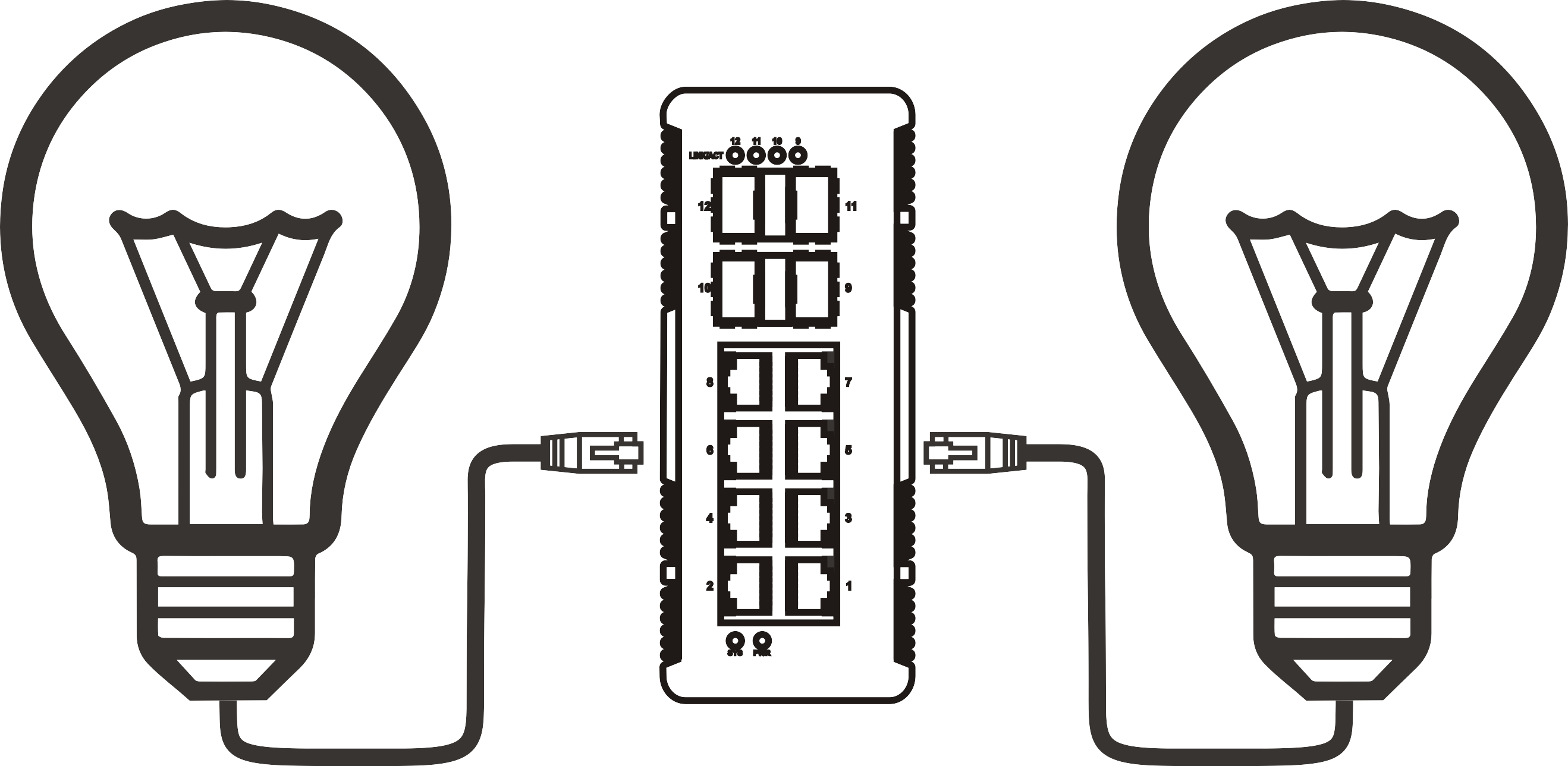


A Comprehensive User-Friendly Guide to Maintaining EN50155 Industrial Switches
Time: 2026-05-20
A Comprehensive User-Friendly Guide to Maintaining EN50155 Industrial Switches
Table of Contents
- Introduction to EN50155 Industrial Switches
- The Importance of Regular Maintenance
- Understanding EN50155 Standards for Industrial Switches
- Best Practices for Maintaining EN50155 Industrial Switches
- Conducting Routine Visual Inspections
- Keeping Firmware Up to Date
- Effective Cable Management Techniques
- Addressing Environmental Factors
- Troubleshooting Common Issues with EN50155 Switches
- When to Call a Professional for Repairs
- Conclusion
- Frequently Asked Questions (FAQs)
Introduction to EN50155 Industrial Switches
EN50155 industrial switches play a crucial role in railway and other transportation systems by ensuring reliable data communication in harsh environments. These switches are designed to withstand extreme temperatures, vibrations, and electromagnetic interference, making them essential for maintaining seamless operations in safety-critical applications. Proper maintenance of these switches is vital to ensure their longevity and performance, thus minimizing downtime and maximizing efficiency.
The Importance of Regular Maintenance
Regular maintenance of EN50155 industrial switches is not just a recommendation; it is a necessity. The demanding environments in which these switches operate can lead to wear and tear over time. With a proactive maintenance strategy, you can prevent potential failures, reduce repair costs, and extend the lifespan of your equipment. Here, we explore the key reasons why regular maintenance is crucial:
- Prevention of Failures: Regular checks can identify worn-out components before they lead to system failures.
- Cost Efficiency: By avoiding major repairs, you save substantially on operational costs.
- Enhanced Performance: Well-maintained switches operate more efficiently, leading to improved overall system performance.
- Safety Assurance: Maintenance ensures that all safety standards are adhered to, protecting both equipment and personnel.
Understanding EN50155 Standards for Industrial Switches
The EN50155 standard specifies the requirements for electronic equipment used in railway applications. Compliance with this standard ensures that the equipment can handle the stresses of railway operations, including:
- Temperature Variability: Equipment must function within a wide temperature range, often from -40°C to +70°C.
- Vibration Resistance: Devices should withstand significant vibrations and shocks.
- Electromagnetic Compatibility: Equipment must function without interference from other electronic devices.
Understanding these standards is fundamental in the maintenance process. Equipment that does not meet these standards can lead to operational inefficiencies and increased risks.
Best Practices for Maintaining EN50155 Industrial Switches
To keep your EN50155 industrial switches in optimal condition, following best practices is essential. Here are several key maintenance strategies that should be part of your routine:
Conducting Routine Visual Inspections
Visual inspections should be conducted regularly. Look for:
- Physical Damage: Check for cracks, exposed wiring, or loose connections.
- Corrosion: Inspect terminals and connectors for signs of corrosion that could affect performance.
- Dust and Debris: Keep the areas around the switches clean to prevent overheating and other issues.
Keeping Firmware Up to Date
Firmware updates often include critical patches and enhancements that can significantly improve performance and security. Regularly check the manufacturer’s website for updates and follow their guidelines for installation. This practice helps in:
- Improving Functionality: Updates may introduce new features that enhance performance.
- Fixing Bugs: Updates often resolve known issues, ensuring smoother operations.
- Enhancing Security: Keeping the firmware updated protects against vulnerabilities.
Effective Cable Management Techniques
Proper cable management is crucial for avoiding signal interference and ensuring safety. Follow these tips:
- Use Cable Ties: Secure cables to avoid tangling and ensure organization.
- Avoid Overloading: Ensure that cables are not overloaded, which can lead to overheating.
- Label Cables: Clearly label each cable for easy identification during troubleshooting.
Addressing Environmental Factors
Given the harsh environments in which EN50155 switches operate, consider the following:
- Temperature Control: Implement measures to prevent overheating, such as ventilation or cooling systems.
- Humidity Levels: Monitor humidity to prevent corrosion and short circuits.
- Dust and Particulates: Use filters and enclosures to protect switches from dust and contaminants.
Troubleshooting Common Issues with EN50155 Switches
Even with the best maintenance practices, issues may arise. Here are common problems and how to address them:
- Switches Not Powering On: Check the power supply and connections for any loose wires or tripped circuit breakers.
- Network Connectivity Issues: Inspect cables for damage and ensure proper connections. Verify settings on the switch.
- Overheating: Ensure that the switch is adequately ventilated and not overloaded with connections.
When to Call a Professional for Repairs
While regular maintenance can prevent most issues, some situations necessitate professional intervention:
- Complex Repairs: If you encounter a problem beyond your expertise, don’t hesitate to call in a professional.
- Frequent Failures: If you notice recurring issues, it may indicate a deeper problem that requires expert analysis.
- System Upgrades: For major upgrades or replacements, consulting professionals ensures compliance with EN50155 standards.
Conclusion
Maintaining EN50155 industrial switches is essential for ensuring reliability and performance in challenging environments. By adhering to best practices, conducting regular inspections, and staying informed about troubleshooting techniques, you can prolong the life of your equipment and enhance overall network reliability. Remember that proactive maintenance not only saves costs but also reinforces safety and operational efficiency. With this comprehensive guide, we hope you feel empowered to take charge of your EN50155 industrial switches’ maintenance.
Frequently Asked Questions (FAQs)
1. What are EN50155 industrial switches used for?
EN50155 industrial switches are primarily used in railway applications to ensure reliable data communication in harsh environments.
2. How often should I conduct maintenance on my EN50155 switches?
Regular maintenance should be conducted at least quarterly, with visual inspections and firmware updates performed more frequently as needed.
3. What should I do if my EN50155 switch fails?
First, troubleshoot common issues such as power supply problems or cable disconnections. If problems persist, consider contacting a professional for assistance.
4. Can I perform maintenance on EN50155 switches myself?
Yes, many maintenance tasks, such as visual inspections and firmware updates, can be performed in-house. However, for complex repairs, professional help is advisable.
5. What environmental factors affect EN50155 switches?
Factors such as temperature extremes, humidity, dust, and vibration can significantly impact the performance and longevity of EN50155 industrial switches.
More News


Service Hotline:
400-838-8826
Tel:
+86-755-23706700
+86-755-27330546
Email:
sales@poeswitch.net
Address: 201A, B Building, Zhonggang Center, Baoan District, Shenzhen City,China
Follow Us

Copyright © 2025 Shenzhen Hi-Net Technology Co., Ltd All Rights reserved.
Business License