
-
-
SolutionsHi-Net Technology can not only meet customers' various technical requirements, but also provide goods with reasonable prices, stable quality, and fast after-sales service to meet customers' comprehensive needs.

-
ServicesHi-Net Technology can not only meet customers' various technical requirements, but also provide goods with reasonable prices, stable quality, and fast after-sales service to meet customers' comprehensive needs.

-
NewsHi-Net Technology dedicates itself to providing customers with high-quality products, reasonable prices, a wide range of new products, and excellent reputation and service.

-
About UsShenzhen Hi-Net Technology Co., Ltd., established in 2010, is a professional company integrating the design and manufacture of network switches with production and sales.



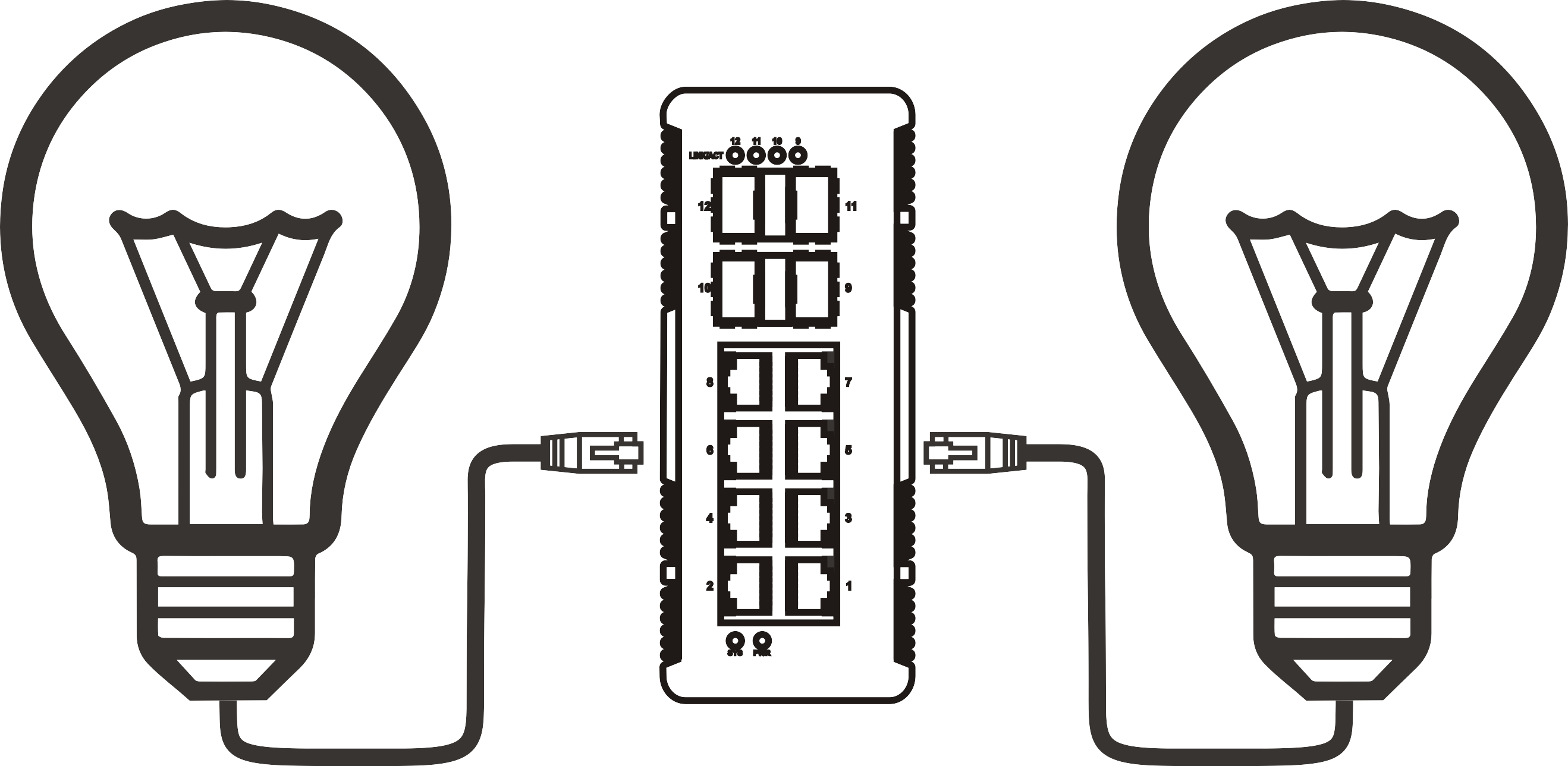


Understanding the Specifications of Industrial POE Switches: A Comprehensive Guide
Time: 2026-05-28
Understanding the Specifications of Industrial POE Switches
In today's fast-paced digital landscape, the demand for efficient networking solutions is at an all-time high. One of the pivotal components in industrial networking is the Power over Ethernet (POE) switch. As industries continue to expand their reliance on IP-based devices, understanding the key specifications of industrial POE switches becomes essential for optimal performance and reliability. In this guide, we will explore the fundamental aspects of industrial POE switches, including their specifications, applications, and essential features.
Table of Contents
- What is an Industrial POE Switch?
- Key Specifications of Industrial POE Switches
- Port Count and Configuration
- Power Delivery Capacity
- Switching Capacity and Performance
- Operating Temperature
- Form Factor and Mounting Options
- Applications of Industrial POE Switches
- Advantages of Using Industrial POE Switches
- Choosing the Right Industrial POE Switch
- Common Misconceptions About Industrial POE Switches
- FAQs About Industrial POE Switches
What is an Industrial POE Switch?
An industrial POE switch is a specialized networking device designed to facilitate the transmission of data and power to networked devices over Ethernet cables. Unlike traditional switches, industrial POE switches can supply power to devices such as IP cameras, wireless access points, and VoIP phones without the need for additional power sources. This capability makes them indispensable in environments where space and power management are critical.
Key Specifications of Industrial POE Switches
Understanding the specifications of industrial POE switches is crucial for selecting the right device for your needs. Below are the primary specifications to consider.
Port Count and Configuration
Industrial POE switches come with varying port counts, typically ranging from 5 to 48 ports. The number of ports you require will depend on the scale of your network and the number of devices you plan to connect. Additionally, switches may offer combinations of POE and non-POE ports, allowing for flexibility in deployment. It’s important to assess your current and future needs to choose an appropriate configuration.
Power Delivery Capacity
The power delivery capacity of a POE switch is indicated in watts and specifies how much power can be supplied to connected devices. There are different POE standards, including IEEE 802.3af (up to 15.4 watts), 802.3at (up to 30 watts), and 802.3bt (up to 60 watts or more). Understanding these standards is essential for ensuring that your devices receive adequate power without compromising performance.
Switching Capacity and Performance
Switching capacity refers to the maximum amount of data that a switch can handle. It is typically measured in gigabits per second (Gbps). A higher switching capacity allows for better performance, particularly in environments with high data traffic. Look for switches that support features such as VLAN tagging and QoS (Quality of Service) to enhance performance and manage bandwidth effectively.
Operating Temperature
Industrial environments can often be harsh, with temperature fluctuations and exposure to dust or moisture. Industrial POE switches are designed to withstand extreme conditions, with operating temperature ranges generally between -40°C to 75°C. Selecting a switch that meets these specifications ensures longevity and reliability in demanding applications.
Form Factor and Mounting Options
Industrial POE switches come in various form factors, including rack-mounted, DIN rail, and wall-mounted versions. The choice of form factor will depend on your specific deployment needs and available space. Additionally, consider the mounting options that best suit your environment, ensuring ease of access for maintenance and upgrades.
Applications of Industrial POE Switches
Industrial POE switches are used across a variety of sectors, including:
- Manufacturing: Connecting devices such as cameras, sensors, and control systems.
- Transportation: Powering surveillance cameras and communication devices in vehicles and infrastructure.
- Smart Buildings: Networking IoT devices, security systems, and climate control systems.
- Telecommunications: Supporting network equipment in remote locations.
Advantages of Using Industrial POE Switches
Choosing industrial POE switches offers numerous advantages, including:
- Reduced Installation Costs: By delivering power and data over a single cable, installation costs are significantly lowered.
- Enhanced Flexibility: Devices can be placed in locations that are not near electrical outlets.
- Improved Reliability: Industrial POE switches are built to withstand harsh conditions, ensuring continuous operation.
- Scalability: Easily expand your network by adding more devices without complex wiring.
Choosing the Right Industrial POE Switch
When selecting an industrial POE switch, consider the following factors:
- Device Needs: Assess the power requirements and data needs of all connected devices.
- Environment: Ensure the switch is rated for the specific environmental conditions it will be placed in.
- Future Expansion: Plan for future growth by choosing a switch with extra ports and capabilities.
- Vendor Reliability: Choose reputable vendors known for quality products and robust support services.
Common Misconceptions About Industrial POE Switches
Several myths surround industrial POE switches that can lead to confusion:
- POE is only for small networks: In reality, POE can effectively power larger networks.
- All switches support all POE standards: Not all switches are compatible with every POE standard; compatibility must be verified.
- POE degrades performance: Properly configured POE switches can maintain high performance without sacrificing data integrity.
FAQs About Industrial POE Switches
1. What is the difference between POE and POE+?
POE (IEEE 802.3af) delivers up to 15.4 watts per port, while POE+ (IEEE 802.3at) provides up to 30 watts per port, making POE+ suitable for devices requiring higher power.
2. Can industrial POE switches be used outdoors?
Yes, but it is essential to choose switches specifically rated for outdoor use, as they need to withstand environmental factors such as moisture and temperature fluctuations.
3. How do I determine the right power budget for my switch?
Calculate the power requirements of all connected devices and ensure the switch’s total POE budget meets or exceeds this total.
4. Is it safe to use POE switches with non-POE devices?
Yes, POE switches can connect to non-POE devices without any issues, as they will not supply power to devices that do not require it.
5. What are the signs of a failing industrial POE switch?
Common signs include intermittent connectivity issues, overheating, and failure to power connected devices. Regular monitoring can help detect these issues early.
Conclusion
Understanding the specifications and features of industrial POE switches is crucial for optimizing your network's performance and reliability. These switches are not only essential for powering various devices but also play a vital role in enhancing network efficiency, reducing costs, and ensuring scalability. By considering the key specifications outlined in this guide, you can make informed decisions when selecting the right industrial POE switch for your applications. Whether you're in manufacturing, transportation, or any other sector, investing in a high-quality industrial POE switch will undoubtedly contribute to the success of your operations.
More News



Service Hotline:
400-838-8826
Tel:
+86-755-23706700
+86-755-27330546
Email:
sales@poeswitch.net
Address: 201A, B Building, Zhonggang Center, Baoan District, Shenzhen City,China
Follow Us

Copyright © 2025 Shenzhen Hi-Net Technology Co., Ltd All Rights reserved.