
-
-
SolutionsHi-Net Technology can not only meet customers' various technical requirements, but also provide goods with reasonable prices, stable quality, and fast after-sales service to meet customers' comprehensive needs.

-
ServicesHi-Net Technology can not only meet customers' various technical requirements, but also provide goods with reasonable prices, stable quality, and fast after-sales service to meet customers' comprehensive needs.

-
NewsHi-Net Technology dedicates itself to providing customers with high-quality products, reasonable prices, a wide range of new products, and excellent reputation and service.

-
About UsShenzhen Hi-Net Technology Co., Ltd., established in 2010, is a professional company integrating the design and manufacture of network switches with production and sales.



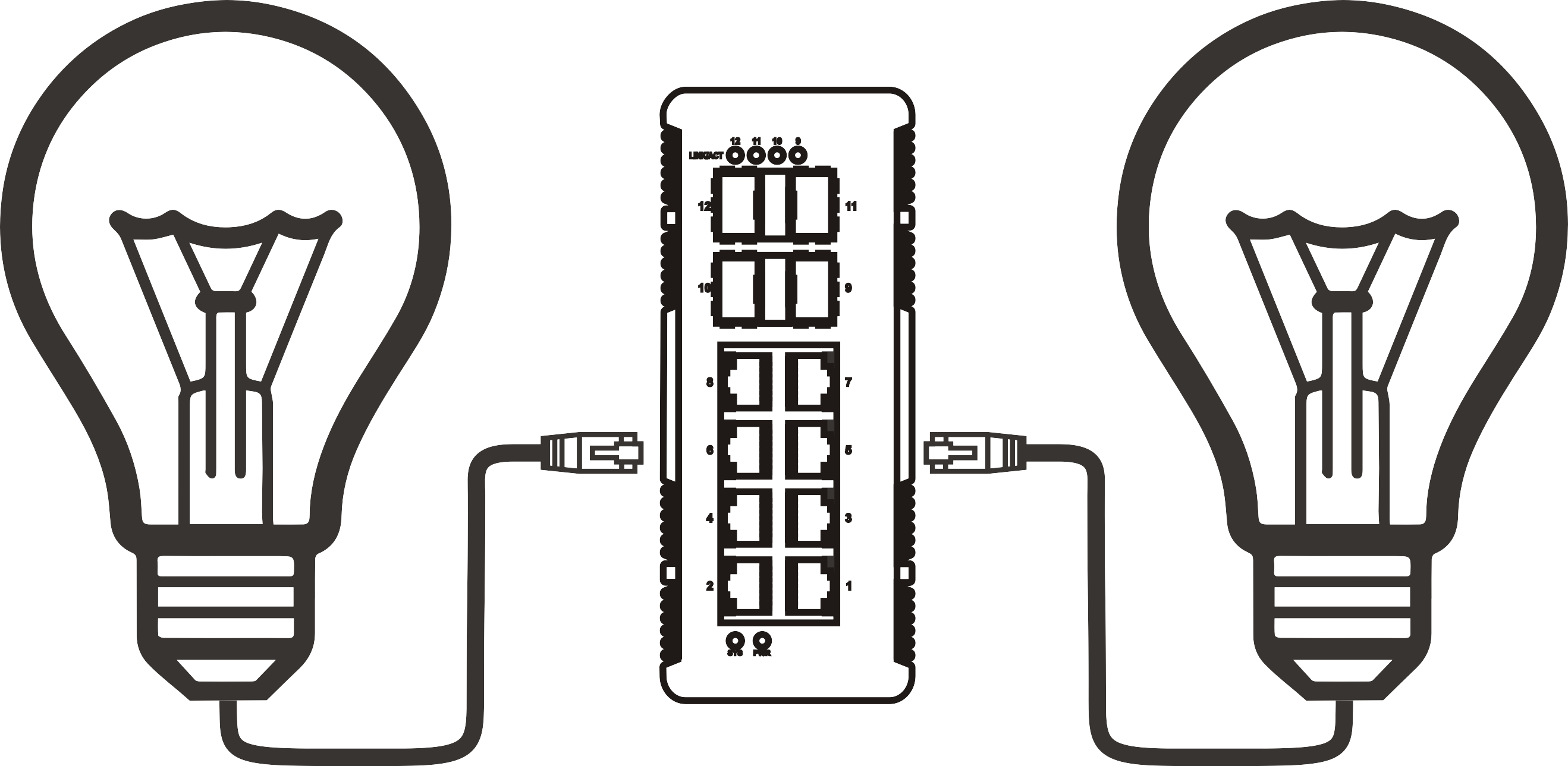


Enhancing Video Quality in Streaming Applications with SDVoE Technology
Time: 2026-06-05
How SDVoE Products Enhance Video Quality in Streaming Applications
Table of Contents
1. What is SDVoE Technology?
2. Why Video Quality Matters in Streaming
3. Key Benefits of SDVoE in Streaming Applications
- 3.1 Minimizing Latency in Video Streams
- 3.2 Delivering Uncompressed Video
- 3.3 Scalability and Flexibility
4. Understanding the Technical Aspects of SDVoE
- 4.1 Optimizing Network Infrastructure
- 4.2 Video Compression Techniques
5. Real-World Applications of SDVoE Technology
6. The Future of SDVoE in Streaming Applications
7. Common Issues and Solutions
8. Frequently Asked Questions
9. Conclusion
What is SDVoE Technology?
SDVoE, or Software Defined Video over Ethernet, is a groundbreaking technology that transforms how video data is transmitted over networks. It leverages standard Ethernet networks to distribute high-quality video signals without the limitations of traditional video transmission methods. This approach allows users to achieve **exceptional video quality** while benefiting from the flexibility and scalability of modern networking.
Why Video Quality Matters in Streaming
The demand for high-quality video streaming has surged in recent years. Consumers expect seamless experiences, whether for gaming, live events, or corporate presentations. **Video quality** directly impacts user engagement, retention rates, and overall satisfaction. Poor video quality can lead to increased viewer drop-off rates and ultimately affect brand reputation. Therefore, investing in technology that enhances video quality is essential for any organization in the streaming space.
Key Benefits of SDVoE in Streaming Applications
SDVoE technology offers numerous advantages that make it a prime choice for enhancing video quality in streaming applications. Below are some key benefits of integrating SDVoE into your streaming setup.
Minimizing Latency in Video Streams
Latency can be a significant issue in streaming applications, especially for live broadcasts. SDVoE technology minimizes latency by utilizing dedicated networks to transmit video signals. This results in near-zero delay, ensuring that viewers receive real-time video feeds. As a result, organizations can deliver live events more effectively, improving user experience and engagement.
Delivering Uncompressed Video
One of the most notable features of SDVoE technology is its ability to transmit uncompressed video. Traditional encoding methods often compromise video quality, leading to artifacts and pixelation. SDVoE maintains original video clarity by transmitting data without compression, providing viewers with the best possible experience. This is particularly critical for applications requiring high fidelity, such as medical imaging or professional sports broadcasts.
Scalability and Flexibility
SDVoE systems are highly scalable, allowing organizations to easily expand their setups without significant infrastructure changes. Whether an organization starts with a small deployment or needs to support thousands of users, SDVoE can adapt to meet those needs. This flexibility makes it an attractive option for businesses looking to future-proof their video streaming capabilities.
Understanding the Technical Aspects of SDVoE
To fully leverage the advantages of SDVoE technology, it's essential to understand the technical components that drive its performance.
Optimizing Network Infrastructure
A robust network infrastructure is crucial for effectively implementing SDVoE solutions. Organizations should invest in high-quality switches and routers that support the bandwidth requirements of high-definition video transmission. Additionally, network topology should be planned to minimize packet loss and ensure smooth data flow.
Video Compression Techniques
While SDVoE focuses on uncompressed video, understanding various compression techniques can provide insight into potential enhancements in specific scenarios. Knowing when and how to use compression can help optimize bandwidth without sacrificing quality.
Real-World Applications of SDVoE Technology
SDVoE technology is being adopted across various sectors, including education, healthcare, and entertainment. For instance, educational institutions utilize SDVoE for live streaming lectures and events, creating an interactive learning experience for remote students. In healthcare, SDVoE enables the high-quality transmission of medical imaging, allowing professionals to make better-informed decisions.
The Future of SDVoE in Streaming Applications
As technology continues to evolve, the future of SDVoE looks promising. With advancements in network capabilities and a growing emphasis on high-definition content, SDVoE is positioned to become the standard for video streaming solutions. Emerging technologies, such as 5G networks and AI-driven content delivery, will further enhance the potential of SDVoE, making it an essential component of future streaming applications.
Common Issues and Solutions
While SDVoE offers numerous benefits, organizations may encounter challenges during implementation. Common issues include network congestion, compatibility with legacy systems, and the need for specialized training. By proactively addressing these issues through proper planning and staff training, organizations can fully harness the power of SDVoE technology.
Frequently Asked Questions
1. What is the primary advantage of SDVoE technology?
SDVoE primarily benefits from its ability to transmit uncompressed video with minimal latency, making it ideal for high-quality streaming applications.
2. How does SDVoE compare to traditional video transmission methods?
Unlike traditional methods that rely on proprietary hardware and compressed video, SDVoE uses standard Ethernet networks and can deliver high-quality video without compression.
3. Can SDVoE be integrated with existing systems?
Yes, SDVoE can be integrated with existing infrastructure, although organizations may need to upgrade certain components to ensure optimal performance.
4. What industries benefit most from SDVoE technology?
Industries such as education, healthcare, and entertainment significantly benefit from SDVoE technology due to their need for high-quality video streaming and low latency.
5. What future developments can we expect in SDVoE technology?
Future developments may include enhanced compatibility with next-generation networks like 5G and AI-driven content delivery systems, further improving streaming quality and reliability.
Conclusion
In conclusion, SDVoE technology represents a significant advancement in the realm of video streaming applications. By providing uncompressed video transmission with minimal latency and remarkable scalability, it addresses the growing demand for high-quality video content. As organizations continue to invest in their streaming capabilities, SDVoE stands out as a pivotal solution poised to shape the future of video delivery. Embracing this technology will not only enhance viewer experiences but also position businesses for success in an increasingly competitive landscape.
More News


Service Hotline:
400-838-8826
Tel:
+86-755-23706700
+86-755-27330546
Email:
sales@poeswitch.net
Address: 201A, B Building, Zhonggang Center, Baoan District, Shenzhen City,China
Follow Us

Copyright © 2025 Shenzhen Hi-Net Technology Co., Ltd All Rights reserved.
Business License