
-
-
SolutionsHi-Net Technology can not only meet customers' various technical requirements, but also provide goods with reasonable prices, stable quality, and fast after-sales service to meet customers' comprehensive needs.

-
ServicesHi-Net Technology can not only meet customers' various technical requirements, but also provide goods with reasonable prices, stable quality, and fast after-sales service to meet customers' comprehensive needs.

-
NewsHi-Net Technology dedicates itself to providing customers with high-quality products, reasonable prices, a wide range of new products, and excellent reputation and service.

-
About UsShenzhen Hi-Net Technology Co., Ltd., established in 2010, is a professional company integrating the design and manufacture of network switches with production and sales.





Integrating Industrial POE Switches into Your Existing Network: A Comprehensive Guide
Time: 2026-06-21
Integrating Industrial POE Switches into Your Existing Network: A Comprehensive Guide
Table of Contents
- Understanding Industrial POE Switches
- Benefits of Industrial POE Switches
- Assessing Your Existing Network Infrastructure
- Planning for Integration
- Installation Process: Step-by-Step Guide
- Configuring Your Industrial POE Switch
- Optimizing Network Performance Post-Integration
- Troubleshooting Common Issues
- Frequently Asked Questions
- Conclusion
Understanding Industrial POE Switches
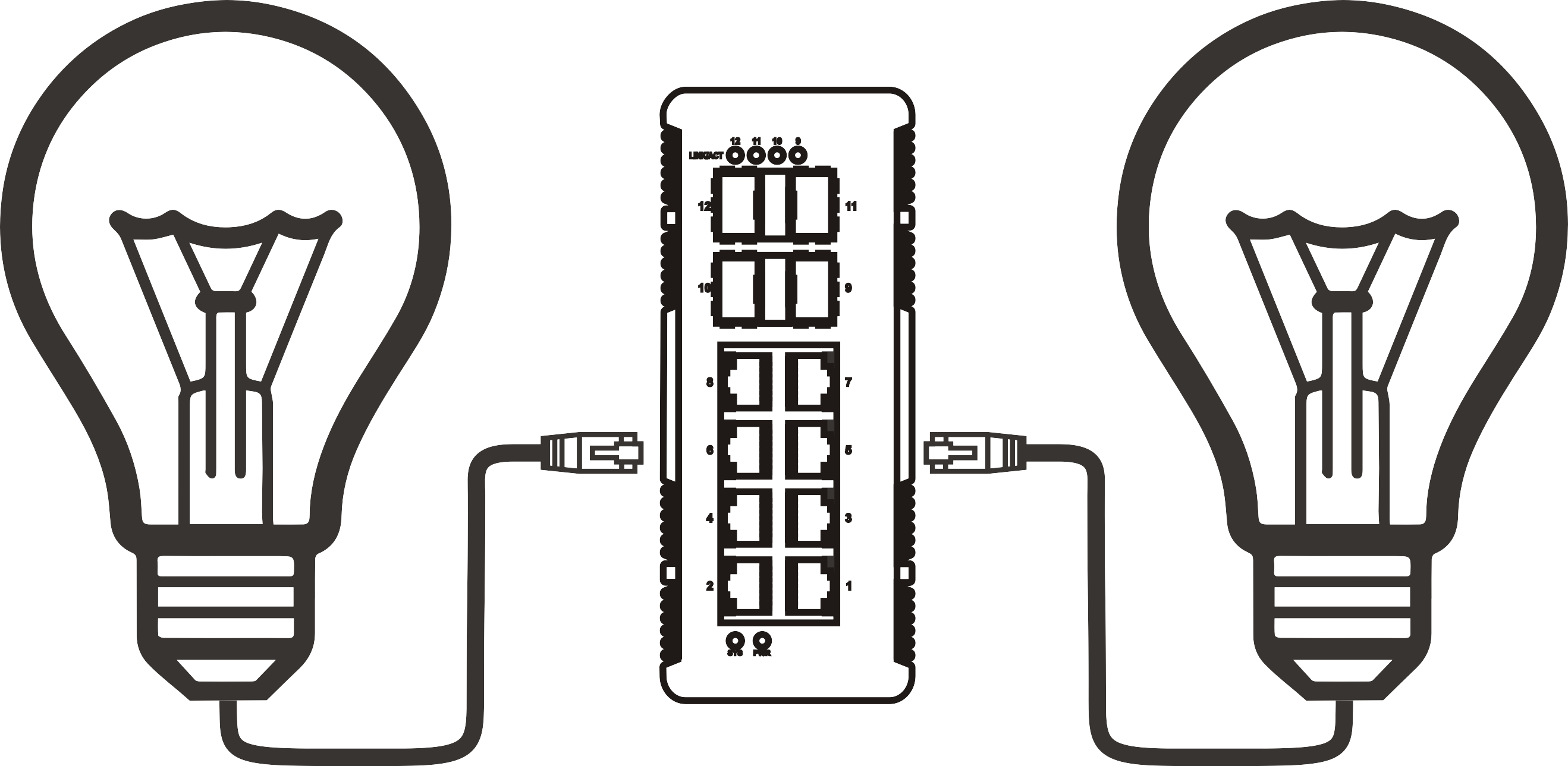
Industrial Power over Ethernet (POE) switches are specialized networking devices designed to provide both data and electrical power to connected devices over a single Ethernet cable. These switches are engineered for use in harsh environments and are commonly utilized in industries such as manufacturing, transportation, and logistics. By simplifying installations and reducing cabling costs, industrial POE switches offer a reliable solution for powering devices like IP cameras, wireless access points, and VoIP phones in challenging settings.
Benefits of Industrial POE Switches
Integrating industrial POE switches into your network brings numerous advantages:
Cost Efficiency
By transmitting power and data through a single cable, industrial POE switches significantly lower installation costs. This eliminates the need for additional electrical wiring, reducing labor and material expenses.
Enhanced Network Reliability
Industrial-grade switches are designed to operate in extreme temperatures and conditions, ensuring consistent performance and minimizing downtime. They often include features such as redundancy and advanced management capabilities to further enhance reliability.
Flexibility in Device Placement
With POE technology, devices can be located in areas without nearby power outlets, allowing for greater flexibility in network design and device placement. This is particularly beneficial in expansive facilities where strategic positioning is critical for security and accessibility.
Assessing Your Existing Network Infrastructure
Before integrating industrial POE switches, it is essential to evaluate your current network setup. This assessment should include:
Network Topology
Understand your existing network's structure, including how devices are connected and the types of equipment currently in use. This will help determine how the new industrial POE switch can fit seamlessly into your architecture.
Bandwidth Requirements
Analyze the bandwidth needs of your devices to ensure the industrial POE switch you select can accommodate the data flow without bottlenecking. Consider the cumulative data rates of the devices you plan to connect.
Power Requirements
Identify the power consumption of your devices. Ensure that the industrial POE switch provides sufficient wattage to support all connected devices without exceeding its limits.
Planning for Integration
Careful planning is crucial for a successful integration of industrial POE switches into your existing network. Key considerations include:
Choosing the Right Industrial POE Switch
Select a switch that meets both your current and future needs. Look for features such as the number of ports, POE standards (IEEE 802.3af, 802.3at, or 802.3bt), and management capabilities.
Developing an Integration Timeline
Create a timeline for the integration process, including key milestones for installation, configuration, and testing. This will help keep the project on track and minimize disruptions to network operations.
Risk Assessment and Contingency Planning
Identify potential risks associated with the integration process. Develop contingency plans to address common challenges, such as device compatibility issues or unexpected downtime.
Installation Process: Step-by-Step Guide
Integrating your industrial POE switch involves a series of organized steps:
1. Prepare Your Site
Ensure the installation site is free of debris and accessible. Verify that you have all necessary tools and equipment on hand, including Ethernet cables, mounting brackets, and power supplies.
2. Connect Network Devices
Begin by connecting your existing network devices to the industrial POE switch using Ethernet cables. Make sure that the devices are compatible with the switch's power output.
3. Mount the Switch
If required, mount the industrial POE switch securely in a suitable location, ensuring it is within reach of your network devices. Follow the manufacturer's guidelines for installation to maintain safety standards.
4. Power Up the Switch
Connect the switch to a power source. Ensure that all connections are secure and that the power supply meets the switch's specifications. Turn on the switch and check for status indicators.
5. Configure the Switch
Access the switch’s management interface via a web browser or console connection. Configure the switch settings based on your network requirements, including IP addressing, VLANs, and security settings.
Configuring Your Industrial POE Switch
Proper configuration is essential for optimal performance:
Setting Up VLANs
Utilize Virtual Local Area Networks (VLANs) to segment traffic and enhance security. This ensures that different types of data traffic, such as voice and video, do not interfere with one another.
Quality of Service (QoS) Settings
Implement QoS settings to prioritize critical network traffic. This helps to ensure that important data packets receive the necessary bandwidth during peak usage times.
Monitoring and Management
Regularly monitor the performance of your industrial POE switch using management software. This allows you to track bandwidth usage and detect potential issues before they escalate.
Optimizing Network Performance Post-Integration
After integration, it's essential to continually optimize and maintain your network:
Regular Updates and Maintenance
Keep your industrial POE switch firmware updated to ensure you benefit from the latest security patches and features. Schedule regular maintenance checks to keep the switch operating at peak efficiency.
Traffic Analysis
Analyze network traffic patterns to identify any bottlenecks or areas for improvement. Tools like network analyzers can provide valuable insights into usage trends and performance issues.
Implementing Redundancy
Consider implementing redundancy in your network design. This can involve using additional switches or alternate paths for data to ensure consistent connectivity even if one component fails.
Troubleshooting Common Issues
In the event of integration challenges, be prepared to address common issues:
Device Compatibility Problems
If connected devices do not power on or function correctly, check their compatibility with the POE switch. Ensure that you are using the correct POE standard for your devices.
Network Bottlenecks
Should you experience network slowdowns, analyze traffic flow and adjust QoS settings or bandwidth allocation to alleviate congestion.
Power Overload
If the switch indicates a power overload, reassess the total power requirements of connected devices. Unplug any non-essential devices to prevent disruptions.
Frequently Asked Questions
What is a POE switch and how does it work?
A POE switch delivers both data and electrical power over Ethernet cables. This enables connected devices, such as IP cameras and phones, to operate without requiring additional power sources.
Can I use an industrial POE switch in a standard office environment?
Yes, while industrial POE switches are designed for harsh conditions, they can be used in standard environments. However, ensure that you select a switch that meets the necessary operational specifications.
How do I know how many ports I need on my POE switch?
Evaluate the number of devices that require connection and their power needs. It's advisable to choose a switch with extra ports for future expansion.
What are the differences between POE standards?
POE standards differ in the amount of power they provide. IEEE 802.3af offers up to 15.4 watts, whereas 802.3at (POE+) provides up to 30 watts, and 802.3bt (POE++) can supply up to 60-100 watts depending on the implementation.
How can I ensure my network is secure after integrating a new switch?
Implement best security practices such as changing default passwords, enabling encryption, and regularly updating firmware to protect against vulnerabilities.
Conclusion
Integrating industrial POE switches into your existing network can significantly enhance connectivity, efficiency, and overall performance. By understanding the benefits, carefully assessing your current infrastructure, and following a structured integration process, you can create a robust and reliable network that meets your organization’s demands. Stay proactive in monitoring and optimizing your network to adapt to changing requirements and ensure long-term success.
More News



Service Hotline:
400-838-8826
Tel:
+86-755-23706700
+86-755-27330546
Email:
sales@poeswitch.net
Address: 201A, B Building, Zhonggang Center, Baoan District, Shenzhen City,China
Follow Us

Copyright © 2025 Shenzhen Hi-Net Technology Co., Ltd All Rights reserved.