
-
-
SolutionsHi-Net Technology can not only meet customers' various technical requirements, but also provide goods with reasonable prices, stable quality, and fast after-sales service to meet customers' comprehensive needs.

-
ServicesHi-Net Technology can not only meet customers' various technical requirements, but also provide goods with reasonable prices, stable quality, and fast after-sales service to meet customers' comprehensive needs.

-
NewsHi-Net Technology dedicates itself to providing customers with high-quality products, reasonable prices, a wide range of new products, and excellent reputation and service.

-
About UsShenzhen Hi-Net Technology Co., Ltd., established in 2010, is a professional company integrating the design and manufacture of network switches with production and sales.





Understanding Data Center Switches: A Comprehensive Guide for Professionals
Time: 2026-07-21
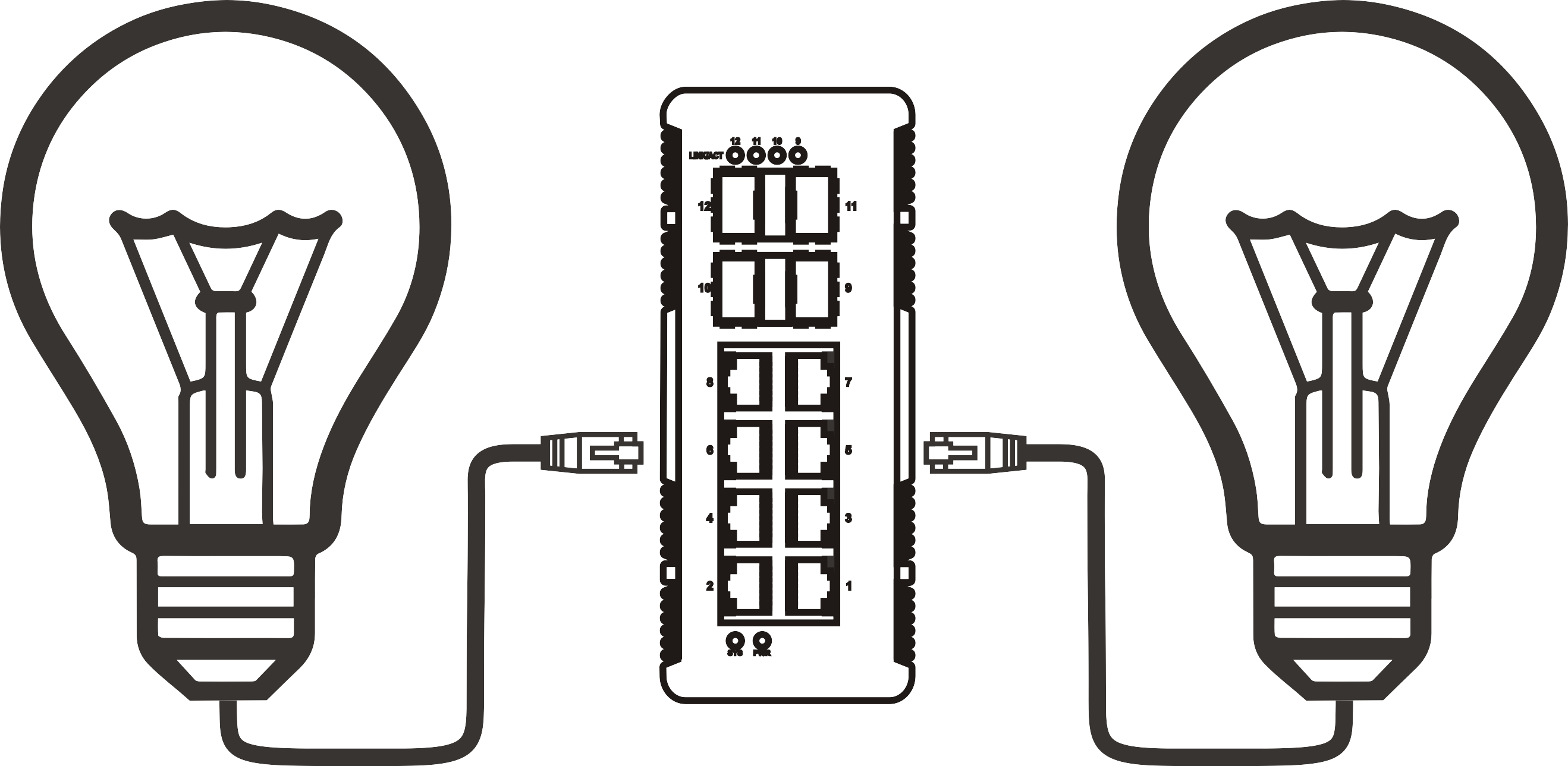
In the realm of computer networking, data center switches play a pivotal role in the efficiency and performance of data communication. These switches are specialized networking devices designed to manage data traffic within a data center. They interconnect various servers and storage systems, ensuring rapid and reliable data transfer, which is crucial for meeting the demands of modern applications and services.
Data center switches can be categorized into two main types: layer 2 switches and layer 3 switches. Layer 2 switches operate primarily at the data link layer, facilitating the transfer of frames between devices within the same local area network (LAN). They rely on MAC addresses to forward traffic and are generally used for intra-VLAN communication. On the other hand, layer 3 switches incorporate routing capabilities to manage traffic between different VLANs or even across WANs. This makes them more versatile in handling complex data center architectures.
One of the key features of data center switches is their ability to support high bandwidth and low latency. With networks continuously growing in size and complexity, especially with the rise of cloud computing and virtualization, the need for switches that can handle massive amounts of data traffic has become paramount. Advanced data center switches are equipped with multiple 10GbE, 40GbE, or even 100GbE ports, enabling them to accommodate high data rates without compromising performance.
Another important aspect is the concept of redundancy and failover. Data center environments demand high availability; hence, many switches come with features such as link aggregation and Spanning Tree Protocol (STP). These features ensure that there are backup paths for data transmission, minimizing downtime in case of hardware failures.
Moreover, the management of data center switches is integral to maintaining network health. Modern switches often come with centralized management solutions that allow IT professionals to monitor performance, configure settings, and troubleshoot issues from a single interface. This not only simplifies management but also enhances the ability to respond to network anomalies quickly.
When selecting a data center switch, professionals should also consider scalability. As businesses grow, their networking needs will evolve, necessitating switches that can scale seamlessly. This may include support for additional ports, advanced features like Software Defined Networking (SDN), or integration with existing infrastructure.
In conclusion, data center switches are essential components of modern networking that greatly influence the efficiency and performance of data centers. By understanding their types, functionalities, and best practices, professionals can make informed decisions that align with their organization’s networking strategies. As technology continues to evolve, staying updated on the latest advancements in data center switches will be crucial for optimizing network performance and achieving business objectives.
Data center switches can be categorized into two main types: layer 2 switches and layer 3 switches. Layer 2 switches operate primarily at the data link layer, facilitating the transfer of frames between devices within the same local area network (LAN). They rely on MAC addresses to forward traffic and are generally used for intra-VLAN communication. On the other hand, layer 3 switches incorporate routing capabilities to manage traffic between different VLANs or even across WANs. This makes them more versatile in handling complex data center architectures.
One of the key features of data center switches is their ability to support high bandwidth and low latency. With networks continuously growing in size and complexity, especially with the rise of cloud computing and virtualization, the need for switches that can handle massive amounts of data traffic has become paramount. Advanced data center switches are equipped with multiple 10GbE, 40GbE, or even 100GbE ports, enabling them to accommodate high data rates without compromising performance.
Another important aspect is the concept of redundancy and failover. Data center environments demand high availability; hence, many switches come with features such as link aggregation and Spanning Tree Protocol (STP). These features ensure that there are backup paths for data transmission, minimizing downtime in case of hardware failures.
Moreover, the management of data center switches is integral to maintaining network health. Modern switches often come with centralized management solutions that allow IT professionals to monitor performance, configure settings, and troubleshoot issues from a single interface. This not only simplifies management but also enhances the ability to respond to network anomalies quickly.
When selecting a data center switch, professionals should also consider scalability. As businesses grow, their networking needs will evolve, necessitating switches that can scale seamlessly. This may include support for additional ports, advanced features like Software Defined Networking (SDN), or integration with existing infrastructure.
In conclusion, data center switches are essential components of modern networking that greatly influence the efficiency and performance of data centers. By understanding their types, functionalities, and best practices, professionals can make informed decisions that align with their organization’s networking strategies. As technology continues to evolve, staying updated on the latest advancements in data center switches will be crucial for optimizing network performance and achieving business objectives.
More News



Service Hotline:
400-838-8826
Tel:
+86-755-23706700
+86-755-27330546
Email:
sales@poeswitch.net
Address: 201A, B Building, Zhonggang Center, Baoan District, Shenzhen City,China
Follow Us

Copyright © 2025 Shenzhen Hi-Net Technology Co., Ltd All Rights reserved.
Business License