
-
-
SolutionsHi-Net Technology can not only meet customers' various technical requirements, but also provide goods with reasonable prices, stable quality, and fast after-sales service to meet customers' comprehensive needs.

-
ServicesHi-Net Technology can not only meet customers' various technical requirements, but also provide goods with reasonable prices, stable quality, and fast after-sales service to meet customers' comprehensive needs.

-
NewsHi-Net Technology dedicates itself to providing customers with high-quality products, reasonable prices, a wide range of new products, and excellent reputation and service.

-
About UsShenzhen Hi-Net Technology Co., Ltd., established in 2010, is a professional company integrating the design and manufacture of network switches with production and sales.



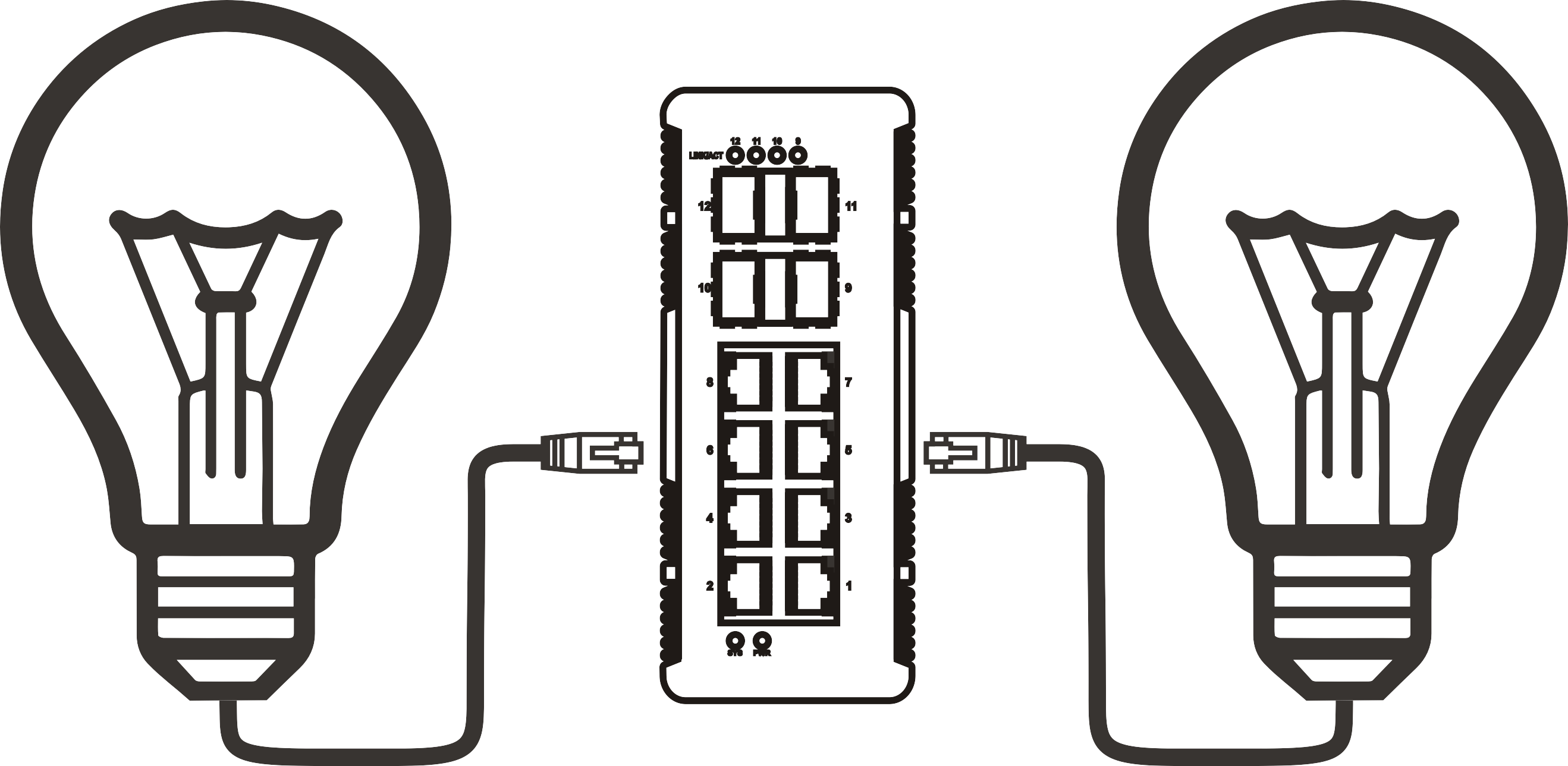


Understanding Data Center Switches: The Backbone of Modern Networking
Time: 2026-08-20
Data center switches are vital components in the realm of networking, serving as the backbone that connects various devices within a data center. These switches facilitate communication between servers, storage systems, and other network devices, ensuring efficient data flow and optimal performance. Understanding data center switches is essential for businesses that rely on robust network infrastructure to manage their operations.
One of the primary functions of data center switches is to create a seamless network environment that supports high bandwidth and low latency. They are designed to handle vast amounts of data traffic, making them indispensable in today's data-driven world. By optimizing the path that data takes between devices, these switches enhance overall network performance and reliability.
Data center switches come in various types, including Layer 2 and Layer 3 switches. Layer 2 switches operate at the data link layer and are primarily responsible for switching packets within the same network segment. In contrast, Layer 3 switches can perform routing functions, enabling them to forward data packets between different networks. This capability is particularly beneficial in large data centers where various subnetworks need to communicate.
Another critical aspect of data center switches is their scalability. As a business grows, its networking needs evolve, requiring more devices and greater bandwidth. Modern data center switches are designed with scalability in mind, allowing businesses to expand their network infrastructure without overhauling existing systems. This flexibility is crucial for organizations that anticipate growth or changes in data usage patterns.
Security is also a major consideration when it comes to data center switches. They often feature advanced security protocols to protect sensitive information from unauthorized access. This includes capabilities such as access control lists (ACLs), port security, and traffic encryption. By employing these security measures, organizations can safeguard their data and maintain compliance with industry regulations.
In addition to performance and security, energy efficiency is becoming increasingly important. Many data center switches are engineered to minimize power consumption, which not only reduces operational costs but also supports sustainability initiatives. Efficient power management features, such as the ability to enter low-power states during periods of inactivity, contribute to an environmentally friendly network infrastructure.
In conclusion, data center switches are a fundamental aspect of modern networking that ensures reliable, efficient, and secure data management. By understanding the various types and functions of these switches, businesses can make informed decisions when designing and implementing their network infrastructure. Whether for a small organization or a large enterprise, the right data center switch can significantly impact overall performance and operational success.
One of the primary functions of data center switches is to create a seamless network environment that supports high bandwidth and low latency. They are designed to handle vast amounts of data traffic, making them indispensable in today's data-driven world. By optimizing the path that data takes between devices, these switches enhance overall network performance and reliability.
Data center switches come in various types, including Layer 2 and Layer 3 switches. Layer 2 switches operate at the data link layer and are primarily responsible for switching packets within the same network segment. In contrast, Layer 3 switches can perform routing functions, enabling them to forward data packets between different networks. This capability is particularly beneficial in large data centers where various subnetworks need to communicate.
Another critical aspect of data center switches is their scalability. As a business grows, its networking needs evolve, requiring more devices and greater bandwidth. Modern data center switches are designed with scalability in mind, allowing businesses to expand their network infrastructure without overhauling existing systems. This flexibility is crucial for organizations that anticipate growth or changes in data usage patterns.
Security is also a major consideration when it comes to data center switches. They often feature advanced security protocols to protect sensitive information from unauthorized access. This includes capabilities such as access control lists (ACLs), port security, and traffic encryption. By employing these security measures, organizations can safeguard their data and maintain compliance with industry regulations.
In addition to performance and security, energy efficiency is becoming increasingly important. Many data center switches are engineered to minimize power consumption, which not only reduces operational costs but also supports sustainability initiatives. Efficient power management features, such as the ability to enter low-power states during periods of inactivity, contribute to an environmentally friendly network infrastructure.
In conclusion, data center switches are a fundamental aspect of modern networking that ensures reliable, efficient, and secure data management. By understanding the various types and functions of these switches, businesses can make informed decisions when designing and implementing their network infrastructure. Whether for a small organization or a large enterprise, the right data center switch can significantly impact overall performance and operational success.
More News



Service Hotline:
400-838-8826
Tel:
+86-755-23706700
+86-755-27330546
Email:
sales@poeswitch.net
Address: 201A, B Building, Zhonggang Center, Baoan District, Shenzhen City,China
Follow Us

Copyright © 2025 Shenzhen Hi-Net Technology Co., Ltd All Rights reserved.
Business License