
-
-
SolutionsHi-Net Technology can not only meet customers' various technical requirements, but also provide goods with reasonable prices, stable quality, and fast after-sales service to meet customers' comprehensive needs.

-
ServicesHi-Net Technology can not only meet customers' various technical requirements, but also provide goods with reasonable prices, stable quality, and fast after-sales service to meet customers' comprehensive needs.

-
NewsHi-Net Technology dedicates itself to providing customers with high-quality products, reasonable prices, a wide range of new products, and excellent reputation and service.

-
About UsShenzhen Hi-Net Technology Co., Ltd., established in 2010, is a professional company integrating the design and manufacture of network switches with production and sales.



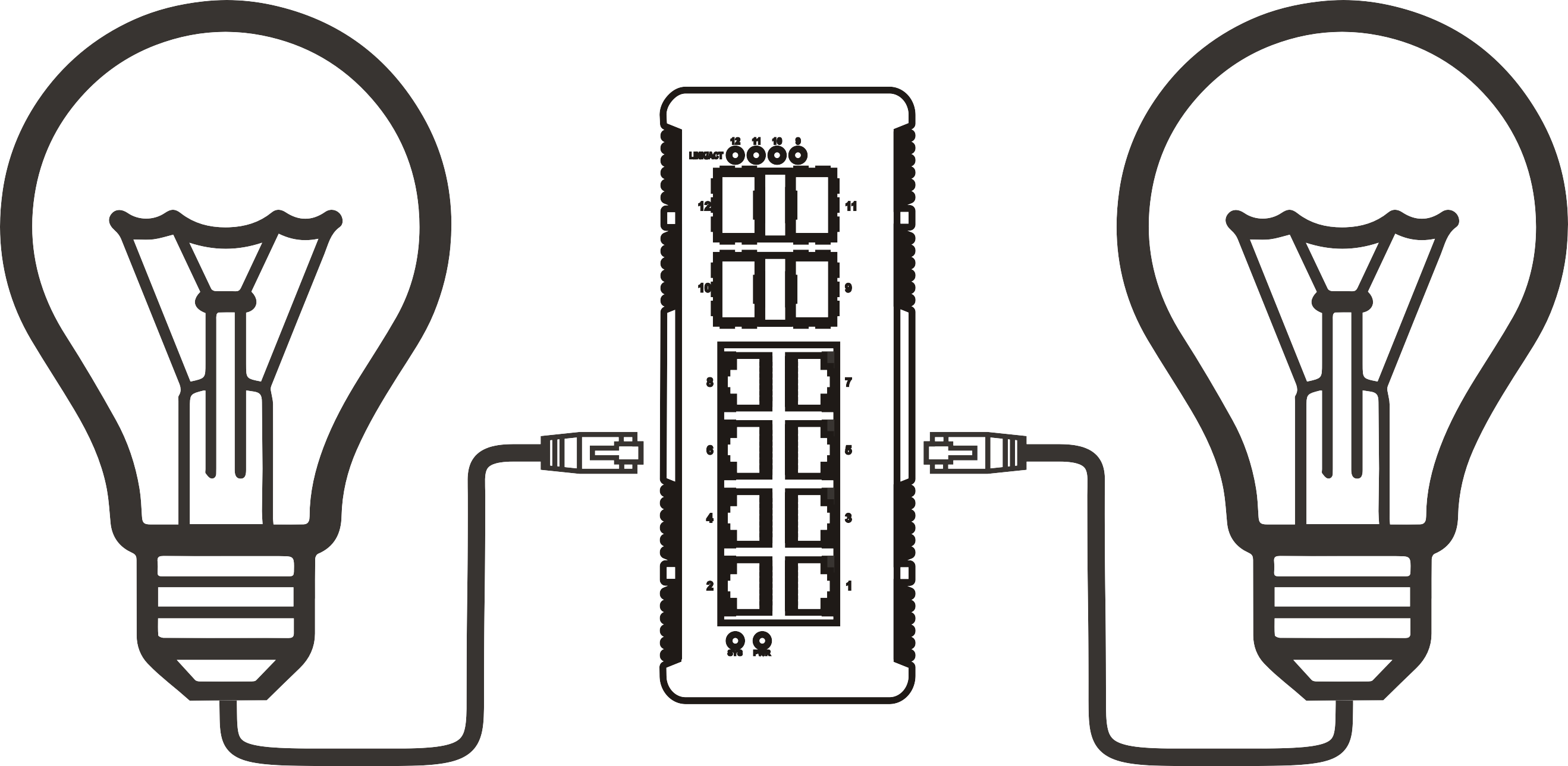


How to Choose the Best EN50155 Industrial Switch for Your Needs
Time: 2026-09-28
How to Choose the Best EN50155 Industrial Switch for Your Needs
In the realm of industrial networking, the selection of the right equipment can significantly influence the operational efficiency of your systems. One of the key components in these networks is the **EN50155 industrial switch**. Understanding how to choose the best switch for your needs is crucial, as it directly impacts communication reliability in challenging environments. This guide will walk you through the essential features, types, and considerations to help you make an informed choice.
Table of Contents
- 1. Introduction to EN50155 Industrial Switches
- 2. Understanding the EN50155 Standard
- 3. Key Features to Look for in an EN50155 Industrial Switch
- 4. Types of EN50155 Industrial Switches
- 5. Environmental Considerations for Choosing an Industrial Switch
- 6. Performance Metrics That Matter
- 7. Installation and Maintenance Tips
- 8. Frequently Asked Questions
- 9. Conclusion
1. Introduction to EN50155 Industrial Switches
The EN50155 standard is specifically designed for electronic equipment used in railway applications, ensuring that devices can withstand the rigors of operation in trains and transportation systems. An **EN50155 industrial switch** serves as the backbone of communication networks within these environments, facilitating data exchange between various systems and devices. Choosing the right switch is essential, as it affects the durability, reliability, and performance of the entire networking system.
2. Understanding the EN50155 Standard
To make an informed choice, it is vital to comprehend the EN50155 standard. This standard outlines the performance requirements for electronic devices to be used in railway applications. Key parameters include:
- **Temperature Range**: Devices must operate in extreme temperatures, often between -40°C to +70°C.
- **Vibration and Shock Resistance**: Equipment must withstand mechanical stresses.
- **Power Supply Variations**: Switches should function reliably across various power input conditions.
- **EMC (Electromagnetic Compatibility)**: Devices must resist interference from other electronic equipment.
Understanding these requirements will guide you in selecting a switch that can maintain performance under challenging conditions.
3. Key Features to Look for in an EN50155 Industrial Switch
When evaluating potential industrial switches, consider the following key features:
3.1. Port Configuration
Determine how many ports you need based on your network's scale. Switches come in various configurations, typically ranging from 5 to over 30 ports.
3.2. Management Options
Switches can be managed or unmanaged. Managed switches offer greater control over network traffic and performance, while unmanaged switches provide a simpler, plug-and-play experience.
3.3. Redundancy Features
For mission-critical applications, look for redundancy features, such as Rapid Spanning Tree Protocol (RSTP) or other failover mechanisms, to ensure network uptime.
3.4. Power over Ethernet (PoE)
If your installation involves powering devices like IP cameras or wireless access points, consider switches that support PoE, reducing the need for separate power supplies.
3.5. Security Features
Ensure that the switch has robust security features, including access control lists (ACLs), port security, and support for Virtual LANs (VLANs) to segment network traffic securely.
4. Types of EN50155 Industrial Switches
Industrial switches come in various types, each suited for specific applications:
4.1. Unmanaged Switches
These are simple devices that require no configuration. Ideal for small networks or where ease of use is critical.
4.2. Managed Switches
These provide advanced features such as traffic monitoring and configuration options, making them suitable for complex and larger networks.
4.3. Layer 2 and Layer 3 Switches
Layer 2 switches operate at the data link layer, while Layer 3 switches add routing capabilities, suitable for larger networks requiring inter-VLAN routing.
4.4. PoE Switches
As mentioned earlier, PoE switches can deliver power alongside data, making them ideal for powering network devices without additional cabling.
4.5. Ruggedized Switches
These switches are designed for extreme conditions, ensuring durability in harsh environments, including those with high vibration and shock levels.
5. Environmental Considerations for Choosing an Industrial Switch
Environmental considerations play a significant role in selecting the right EN50155 industrial switch. Assess the following factors:
5.1. Temperature Extremes
Ensure that the switch can operate within the temperature range required for your specific installation site.
5.2. Humidity and Dust
Look for switches with appropriate ingress protection (IP) ratings to prevent damage from dust and moisture.
5.3. Vibration and Shock
Evaluate the switch's construction to confirm it can handle the mechanical stresses typical in your operational environment.
6. Performance Metrics That Matter
Several performance metrics are essential when evaluating industrial switches:
6.1. Throughput
Assess the switch’s throughput capabilities, which dictate how much data can be processed effectively.
6.2. Latency
Low latency is critical for real-time applications. Be sure to choose a switch that minimizes delays in data transmission.
6.3. Packet Handling
Look for a switch that can handle a high packet-per-second rate, ensuring performance during peak traffic loads.
7. Installation and Maintenance Tips
Proper installation and maintenance prolong the life of your industrial switch. Consider these tips:
7.1. Follow Manufacturer Guidelines
Always adhere to the manufacturer's installation instructions to avoid potential issues.
7.2. Regular Firmware Updates
Keep the switch's firmware up to date to benefit from security patches and performance enhancements.
7.3. Monitor Performance
Utilize the management features of your switch to monitor performance and identify potential issues early.
8. Frequently Asked Questions
8.1. What is an EN50155 industrial switch?
An EN50155 industrial switch is designed specifically for use in railway applications, adhering to standards that ensure reliability and performance in harsh environments.
8.2. Why is the EN50155 standard important?
The EN50155 standard ensures that electronic devices can withstand the unique challenges posed by railway environments, including temperature extremes and vibrations.
8.3. How do I choose between managed and unmanaged switches?
Choose unmanaged switches for simplicity and lower cost; opt for managed switches when you need advanced features like VLANs and traffic monitoring.
8.4. What are the benefits of Power over Ethernet (PoE)?
PoE simplifies installations by delivering power and data over a single cable, reducing the need for additional power supplies and outlets.
8.5. How can I ensure my switch is suitable for my environment?
Evaluate the switch's specifications against your environmental conditions, focusing on temperature ratings, ingress protection, and vibration resistance.
9. Conclusion
Choosing the best EN50155 industrial switch for your needs is a vital step in ensuring the efficiency and reliability of your industrial network. By understanding the EN50155 standard, evaluating key features, and considering environmental factors, you can make an informed decision. Whether you require a managed or unmanaged switch, considering aspects such as port configuration, redundancy features, and performance metrics will ultimately lead you to the right choice. Remember, investing time in selecting the correct industrial switch will pay off in enhanced performance and reduced downtime in your operations.
More News



Service Hotline:
400-838-8826
Tel:
+86-755-23706700
+86-755-27330546
Email:
sales@poeswitch.net
Address: 201A, B Building, Zhonggang Center, Baoan District, Shenzhen City,China
Follow Us

Copyright © 2025 Shenzhen Hi-Net Technology Co., Ltd All Rights reserved.