
-
-
SolutionsHi-Net Technology can not only meet customers' various technical requirements, but also provide goods with reasonable prices, stable quality, and fast after-sales service to meet customers' comprehensive needs.

-
ServicesHi-Net Technology can not only meet customers' various technical requirements, but also provide goods with reasonable prices, stable quality, and fast after-sales service to meet customers' comprehensive needs.

-
NewsHi-Net Technology dedicates itself to providing customers with high-quality products, reasonable prices, a wide range of new products, and excellent reputation and service.

-
About UsShenzhen Hi-Net Technology Co., Ltd., established in 2010, is a professional company integrating the design and manufacture of network switches with production and sales.



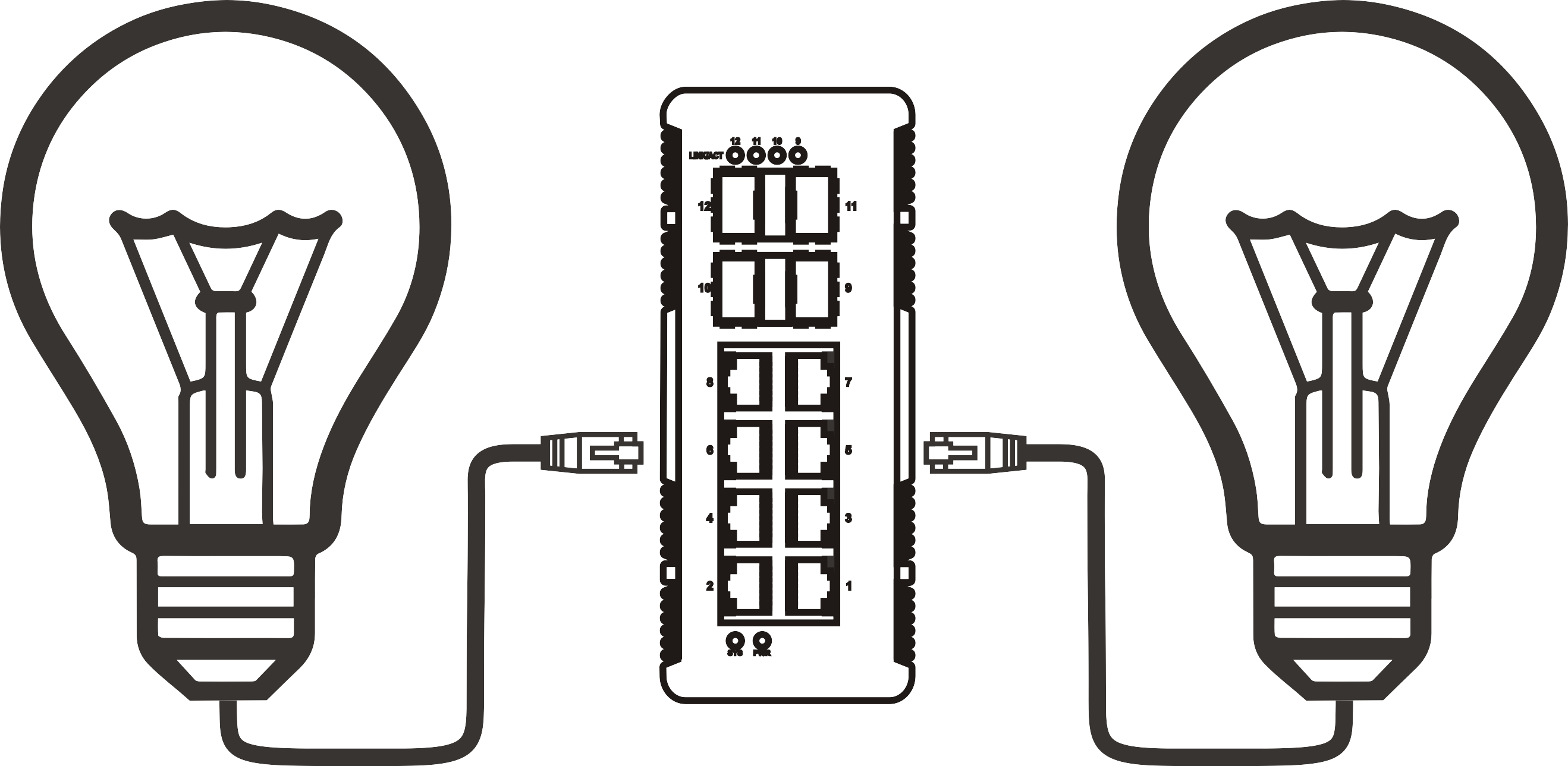


Essential Insights on Data Center Switches for Networking Professionals
Time: 2025-11-29
Data center switches play a pivotal role in modern networking infrastructures, acting as the backbone that connects servers, storage devices, and other network components. Their primary function is to facilitate high-speed data transfer and ensure seamless communication between devices, which is vital for data-intensive applications.
One of the most critical aspects of data center switches is their architecture. There are generally two types: layer 2 switches, which operate at the data link layer, and layer 3 switches, which incorporate routing capabilities by operating at the network layer. Understanding the difference is essential for determining the most suitable switch for specific networking needs. Layer 2 switches are primarily used for local area networks (LANs), while layer 3 switches are preferred for more complex environments where routing between different networks is necessary.
Another key consideration is the switch’s throughput and performance metrics. The speed of data transmission, measured in gigabits per second (Gbps), is an essential factor that affects overall network performance. High-performance data center switches can manage traffic efficiently, minimizing latency and allowing for greater scalability. For organizations that handle large volumes of data or engage in cloud computing, investing in high-speed, low-latency switches can offer a significant competitive advantage.
In terms of reliability and redundancy, modern data center switches often come equipped with features such as link aggregation, which allows multiple connections to be bundled into a single logical link, thereby enhancing bandwidth and providing failover capabilities. Additionally, support for virtualization through technologies like Virtual LAN (VLAN) tagging enables effective traffic management and security, making it easier to segment networks and manage resources.
Security is another critical component that cannot be overlooked. Data center switches should incorporate robust security protocols to safeguard against potential threats. Features such as Access Control Lists (ACLs) and port security can help mitigate risks associated with unauthorized access and data breaches.
With the growing trend of automation and orchestration in data centers, data center switches are also evolving to support software-defined networking (SDN) initiatives. This allows for centralized management and greater flexibility in configuring and managing network resources, leading to more efficient operations.
In summary, understanding data center switches' architecture, performance metrics, reliability features, and security protocols is essential for networking professionals. By leveraging this knowledge, you can make informed decisions that enhance your organization's networking capabilities and support its growth in the digital age.
One of the most critical aspects of data center switches is their architecture. There are generally two types: layer 2 switches, which operate at the data link layer, and layer 3 switches, which incorporate routing capabilities by operating at the network layer. Understanding the difference is essential for determining the most suitable switch for specific networking needs. Layer 2 switches are primarily used for local area networks (LANs), while layer 3 switches are preferred for more complex environments where routing between different networks is necessary.
Another key consideration is the switch’s throughput and performance metrics. The speed of data transmission, measured in gigabits per second (Gbps), is an essential factor that affects overall network performance. High-performance data center switches can manage traffic efficiently, minimizing latency and allowing for greater scalability. For organizations that handle large volumes of data or engage in cloud computing, investing in high-speed, low-latency switches can offer a significant competitive advantage.
In terms of reliability and redundancy, modern data center switches often come equipped with features such as link aggregation, which allows multiple connections to be bundled into a single logical link, thereby enhancing bandwidth and providing failover capabilities. Additionally, support for virtualization through technologies like Virtual LAN (VLAN) tagging enables effective traffic management and security, making it easier to segment networks and manage resources.
Security is another critical component that cannot be overlooked. Data center switches should incorporate robust security protocols to safeguard against potential threats. Features such as Access Control Lists (ACLs) and port security can help mitigate risks associated with unauthorized access and data breaches.
With the growing trend of automation and orchestration in data centers, data center switches are also evolving to support software-defined networking (SDN) initiatives. This allows for centralized management and greater flexibility in configuring and managing network resources, leading to more efficient operations.
In summary, understanding data center switches' architecture, performance metrics, reliability features, and security protocols is essential for networking professionals. By leveraging this knowledge, you can make informed decisions that enhance your organization's networking capabilities and support its growth in the digital age.
More News



Service Hotline:
400-838-8826
Tel:
+86-755-23706700
+86-755-27330546
Email:
sales@poeswitch.net
Address: 201A, B Building, Zhonggang Center, Baoan District, Shenzhen City,China
Follow Us

Copyright © 2025 Shenzhen Hi-Net Technology Co., Ltd All Rights reserved.
Business License