
-
-
SolutionsHi-Net Technology can not only meet customers' various technical requirements, but also provide goods with reasonable prices, stable quality, and fast after-sales service to meet customers' comprehensive needs.

-
ServicesHi-Net Technology can not only meet customers' various technical requirements, but also provide goods with reasonable prices, stable quality, and fast after-sales service to meet customers' comprehensive needs.

-
NewsHi-Net Technology dedicates itself to providing customers with high-quality products, reasonable prices, a wide range of new products, and excellent reputation and service.

-
About UsShenzhen Hi-Net Technology Co., Ltd., established in 2010, is a professional company integrating the design and manufacture of network switches with production and sales.



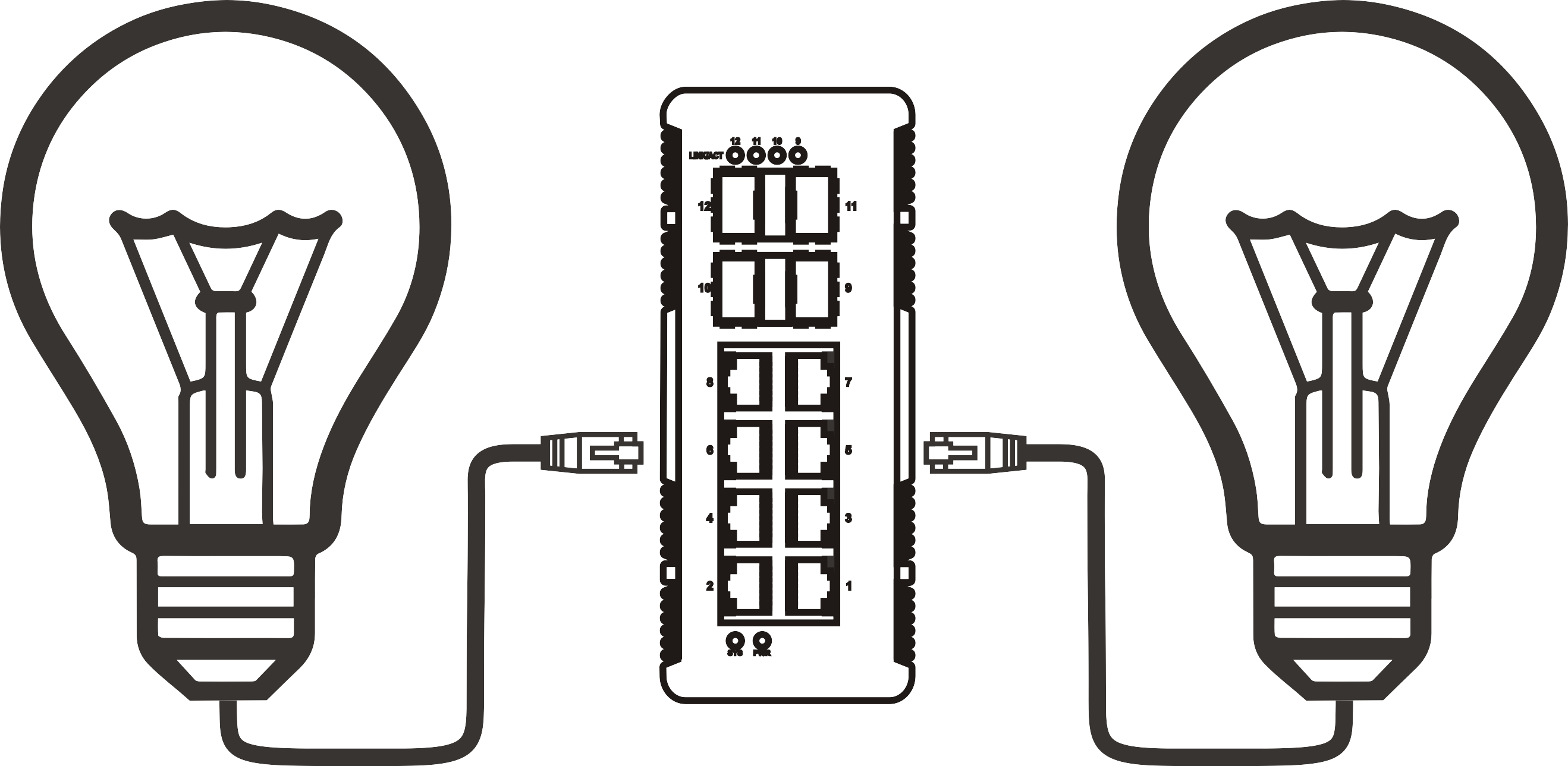


Understanding Data Center Switches: Optimizing Network Performance and Efficiency
Time: 2025-12-23
Data center switches are a crucial component in the landscape of computer networking, particularly within data centers, where they facilitate communication between servers, storage devices, and other networked equipment. Understanding the intricacies of these switches can significantly enhance network performance and efficiency, making it an essential subject for professionals in the networking hardware industry.
At the core of data center switches is the responsibility to manage data traffic effectively. They operate at various layers of the OSI model, primarily Layer 2 (Data Link) and Layer 3 (Network), enabling them to route data packets and ensure seamless communication across a network. By managing this data flow, data center switches help reduce latency, improve bandwidth utilization, and enhance overall network reliability.
When selecting data center switches, professionals should consider key features such as port density, throughput, and virtualization capabilities. High port density allows for more connections, which is vital in environments with a large number of devices. Throughput, on the other hand, refers to the amount of data processed in a given time, and higher throughput helps in managing heavy traffic loads. Furthermore, virtualization features enable the creation of multiple virtual networks on a single physical switch, leading to more efficient resource management.
Another significant aspect to consider is the switch architecture. Data center switches can be categorized into two types: traditional and leaf-spine architectures. Traditional architectures often consist of a tiered design, which can lead to bottlenecks during heavy traffic. In contrast, leaf-spine architecture offers a more efficient layout, where each leaf switch connects to all spine switches, thus minimizing latency and maximizing bandwidth.
Moreover, the advancement of software-defined networking (SDN) has revolutionized how data center switches operate. SDN allows for the centralized management of network resources, enabling real-time adjustments to traffic patterns and improving network agility. This flexibility is particularly beneficial for organizations that experience fluctuating workloads, as it allows for dynamic allocation of resources based on current needs.
In addition to performance considerations, energy efficiency is increasingly becoming a priority in data center operations. Data center switches that implement energy-saving mechanisms, such as power management protocols and efficient cooling solutions, can help organizations reduce operational costs and meet sustainability goals.
In conclusion, data center switches play a pivotal role in the efficiency and performance of computer networking infrastructures. By understanding their functionalities, features, and the impact of modern technologies such as SDN, professionals can make informed decisions that enhance their data center operations. Keeping these factors in mind will ultimately lead to a more robust and efficient network, capable of meeting the demands of today's dynamic computing environment.
At the core of data center switches is the responsibility to manage data traffic effectively. They operate at various layers of the OSI model, primarily Layer 2 (Data Link) and Layer 3 (Network), enabling them to route data packets and ensure seamless communication across a network. By managing this data flow, data center switches help reduce latency, improve bandwidth utilization, and enhance overall network reliability.
When selecting data center switches, professionals should consider key features such as port density, throughput, and virtualization capabilities. High port density allows for more connections, which is vital in environments with a large number of devices. Throughput, on the other hand, refers to the amount of data processed in a given time, and higher throughput helps in managing heavy traffic loads. Furthermore, virtualization features enable the creation of multiple virtual networks on a single physical switch, leading to more efficient resource management.
Another significant aspect to consider is the switch architecture. Data center switches can be categorized into two types: traditional and leaf-spine architectures. Traditional architectures often consist of a tiered design, which can lead to bottlenecks during heavy traffic. In contrast, leaf-spine architecture offers a more efficient layout, where each leaf switch connects to all spine switches, thus minimizing latency and maximizing bandwidth.
Moreover, the advancement of software-defined networking (SDN) has revolutionized how data center switches operate. SDN allows for the centralized management of network resources, enabling real-time adjustments to traffic patterns and improving network agility. This flexibility is particularly beneficial for organizations that experience fluctuating workloads, as it allows for dynamic allocation of resources based on current needs.
In addition to performance considerations, energy efficiency is increasingly becoming a priority in data center operations. Data center switches that implement energy-saving mechanisms, such as power management protocols and efficient cooling solutions, can help organizations reduce operational costs and meet sustainability goals.
In conclusion, data center switches play a pivotal role in the efficiency and performance of computer networking infrastructures. By understanding their functionalities, features, and the impact of modern technologies such as SDN, professionals can make informed decisions that enhance their data center operations. Keeping these factors in mind will ultimately lead to a more robust and efficient network, capable of meeting the demands of today's dynamic computing environment.
More News



Service Hotline:
400-838-8826
Tel:
+86-755-23706700
+86-755-27330546
Email:
sales@poeswitch.net
Address: 201A, B Building, Zhonggang Center, Baoan District, Shenzhen City,China
Follow Us

Copyright © 2025 Shenzhen Hi-Net Technology Co., Ltd All Rights reserved.
Business License