
-
-
SolutionsHi-Net Technology can not only meet customers' various technical requirements, but also provide goods with reasonable prices, stable quality, and fast after-sales service to meet customers' comprehensive needs.

-
ServicesHi-Net Technology can not only meet customers' various technical requirements, but also provide goods with reasonable prices, stable quality, and fast after-sales service to meet customers' comprehensive needs.

-
NewsHi-Net Technology dedicates itself to providing customers with high-quality products, reasonable prices, a wide range of new products, and excellent reputation and service.

-
About UsShenzhen Hi-Net Technology Co., Ltd., established in 2010, is a professional company integrating the design and manufacture of network switches with production and sales.



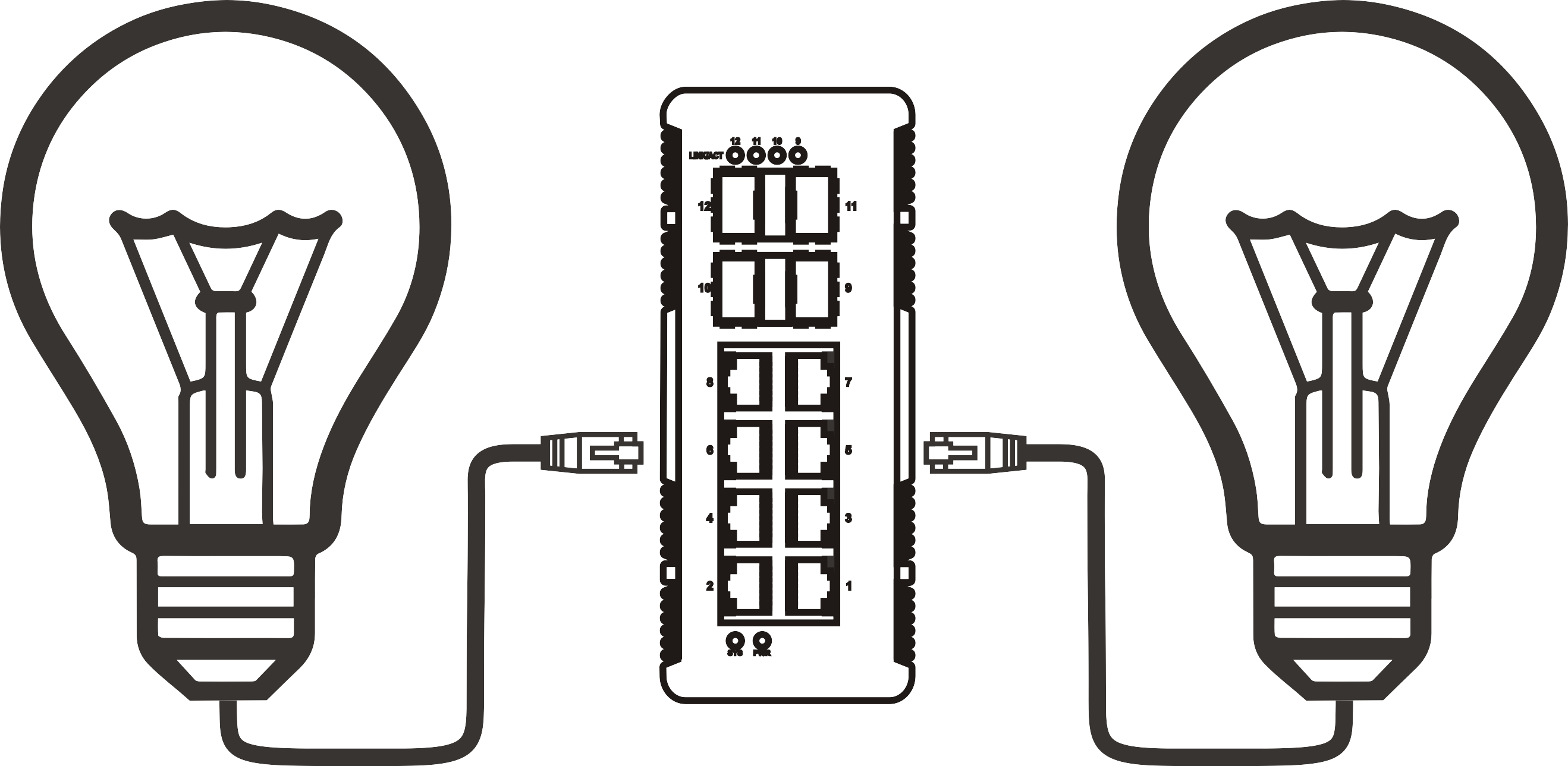


SDVoE Products Explained: Bridging the Gap in AV Networking
Time: 2025-12-25
SDVoE Products Explained: Bridging the Gap in AV Networking
Table of Contents
- What is SDVoE?
- Key Advantages of SDVoE Products
- Applications of SDVoE Technology
- Understanding SDVoE Architecture and Components
- How SDVoE Differs from Traditional AV Systems
- Choosing the Right SDVoE Products for Your Needs
- The Future of SDVoE in AV Networking
- FAQs About SDVoE Products
What is SDVoE?
**SDVoE**, or **Software Defined Video over Ethernet**, is a revolutionary technology designed to transmit high-quality AV signals over standard Ethernet networks. By leveraging the capabilities of Ethernet, SDVoE allows for the seamless integration and distribution of audio-visual content across various devices and locations. Through the use of standard protocols, SDVoE simplifies the AV networking process, enabling creators and businesses to deliver high-quality content efficiently and cost-effectively.
Key Advantages of SDVoE Products
1. Cost-Effectiveness
One of the primary benefits of SDVoE technology is its cost-effectiveness. By utilizing existing Ethernet infrastructure, businesses can save significantly on the costs associated with traditional AV cabling and equipment.
2. Scalability and Flexibility
**SDVoE products** are inherently scalable, making them suitable for various applications, from small setups to expansive enterprise systems. The flexibility of Ethernet networking allows for easy adjustments and upgrades as needs evolve.
3. High-Quality Video and Audio Transmission
SDVoE technology supports high resolutions and low latency, ensuring high-quality audio and visual experiences. This capability is crucial for applications that require real-time data transmission, such as live events and video conferencing.
4. Simplified Installation and Configuration
With minimal specialized equipment required, SDVoE products can be installed and configured rapidly, reducing downtime and labor costs. This ease of use is a major selling point for many businesses looking to upgrade their AV systems.
Applications of SDVoE Technology
1. Corporate Environments
In **corporate environments**, SDVoE technology enhances communication and collaboration. It allows for seamless video conferencing setups and presentations, providing a reliable video stream without the need for extensive wiring.
2. Education
**Educational institutions** benefit greatly from SDVoE products, as they facilitate the distribution of content throughout campuses. This capability supports interactive learning environments where students can engage with presentations and lectures from various locations.
3. Hospitality Industry
In the **hospitality industry**, SDVoE products enhance guest experiences by providing high-quality entertainment options and enabling efficient management of AV systems across hotels and resorts.
4. Live Events and Broadcasts
**Live events** heavily rely on the capabilities of SDVoE technology. The ability to transmit high-quality video with minimal latency is vital for broadcasting and live streaming applications, ensuring that audiences receive the best possible experience.
Understanding SDVoE Architecture and Components
The architecture of SDVoE consists of several key components that work together to enable efficient AV networking. These include:
1. Encoder and Decoder Units
**Encoder units** convert video and audio signals into a format suitable for transmission over Ethernet. Conversely, **decoder units** receive the encoded signals and convert them back to their original formats for output to displays or speakers.
2. Control Systems
Control systems are essential for managing and routing AV signals within an SDVoE network. They allow users to direct signals to specific outputs, manage settings, and monitor performance.
3. Network Switches
**Network switches** that support SDVoE technology are crucial for ensuring high-quality signal transmission. They enable multiple SDVoE devices to communicate efficiently within a network, allowing for extensive system scalability.
How SDVoE Differs from Traditional AV Systems
Traditional AV systems often rely on proprietary cabling and protocols, limiting flexibility and scalability. In contrast, SDVoE technology utilizes standard Ethernet infrastructure, making it easier to expand and integrate with existing systems. Additionally, SDVoE supports a wider range of resolutions and formats, offering superior performance compared to traditional AV solutions.
Choosing the Right SDVoE Products for Your Needs
Selecting the appropriate SDVoE products requires careful consideration of several factors:
1. Assessing Your Requirements
Begin by evaluating the specific needs of your AV setup. Consider factors such as the number of sources and displays, required resolutions, and the complexity of your network.
2. Compatibility and Integration
Ensure that the SDVoE products you choose are compatible with your existing systems. Look for solutions that can seamlessly integrate with your current AV equipment and network infrastructure.
3. Scalability
Choose products that offer scalability options, allowing your system to grow and adapt to future needs without significant reinvestment in new technologies.
The Future of SDVoE in AV Networking
The future of SDVoE technology in AV networking looks promising, with advancements in both hardware and software expected to enhance its capabilities further. As industries continue to embrace digital transformation, the demand for efficient, high-quality AV solutions will only increase. SDVoE is well-positioned to lead this charge, offering innovative solutions that meet the evolving needs of businesses and users alike.
FAQs About SDVoE Products
1. What does SDVoE stand for?
SDVoE stands for Software Defined Video over Ethernet, a technology that enables high-quality AV signal transmission over standard Ethernet networks.
2. What are the main benefits of using SDVoE products?
The main benefits include cost-effectiveness, scalability, high-quality audio and video transmission, and simplified installation and configuration.
3. Can SDVoE products be integrated with existing AV systems?
Yes, SDVoE products are designed to be compatible with existing AV systems, making it easier to upgrade and expand your setup.
4. What types of industries benefit from SDVoE technology?
Industries such as corporate environments, education, hospitality, and live events significantly benefit from SDVoE technology.
5. How does SDVoE compare to traditional AV solutions?
SDVoE technology offers greater flexibility, scalability, and performance compared to traditional AV solutions, which often rely on proprietary systems.
Conclusion
In conclusion, **SDVoE products** represent a significant advancement in the field of AV networking, providing innovative solutions that address the challenges of modern audio-visual communication. With their ability to deliver high-quality signals efficiently and cost-effectively, SDVoE products are poised to transform the way businesses and organizations manage their AV infrastructures. As we look to the future, the continued evolution of SDVoE technology will undoubtedly lead to even more exciting developments in the world of AV networking.
More News

Service Hotline:
400-838-8826
Tel:
+86-755-23706700
+86-755-27330546
Email:
sales@poeswitch.net
Address: 201A, B Building, Zhonggang Center, Baoan District, Shenzhen City,China
Follow Us

Copyright © 2025 Shenzhen Hi-Net Technology Co., Ltd All Rights reserved.