
-
-
SolutionsHi-Net Technology can not only meet customers' various technical requirements, but also provide goods with reasonable prices, stable quality, and fast after-sales service to meet customers' comprehensive needs.

-
ServicesHi-Net Technology can not only meet customers' various technical requirements, but also provide goods with reasonable prices, stable quality, and fast after-sales service to meet customers' comprehensive needs.

-
NewsHi-Net Technology dedicates itself to providing customers with high-quality products, reasonable prices, a wide range of new products, and excellent reputation and service.

-
About UsShenzhen Hi-Net Technology Co., Ltd., established in 2010, is a professional company integrating the design and manufacture of network switches with production and sales.



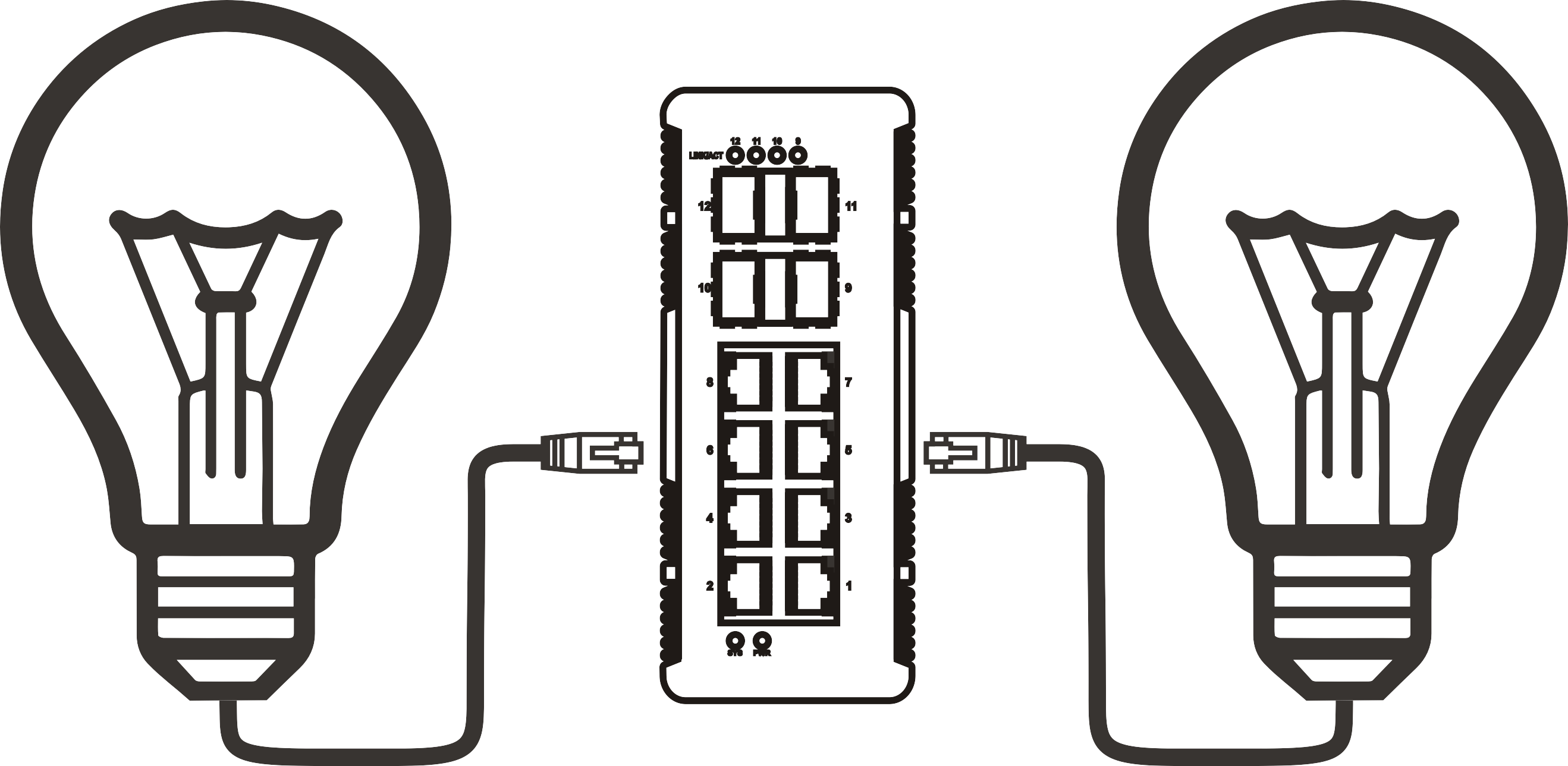


Understanding AVoIP Products: The Future of Audio-Visual Distribution
Time: 2026-01-16
AVoIP products have emerged as a powerful solution for distributing audio and video signals using standard IP networks. This technology allows for high-quality, scalable, and flexible AV distribution, making it a preferred choice for various applications including corporate environments, educational institutions, and large-scale events. Unlike traditional AV distribution methods, which often require dedicated cabling and proprietary equipment, AVoIP leverages existing network infrastructure, enabling users to transmit audio and video signals over the same network used for data.
One of the key advantages of AVoIP products is their scalability. As demands for AV content increase, adding more sources and displays to the network becomes straightforward. This scalability is particularly beneficial for businesses looking to expand their AV systems without incurring excessive costs or overhauling existing infrastructure. AVoIP systems can accommodate numerous sources and destinations with minimal disruption, allowing for seamless integration as needs evolve.
Another significant benefit of AVoIP is the reduction in latency. Modern AVoIP solutions employ advanced encoding and compression techniques that minimize delays in signal transmission. This is particularly important in applications where real-time interaction is required, such as video conferencing or live events. By utilizing efficient protocols, AVoIP ensures high-quality audio and video are delivered promptly, maintaining the integrity of the user experience.
Network switches play a crucial role in the effective deployment of AVoIP products. Selecting the right switch can significantly impact the performance of your AV system. It's essential to choose switches that support high bandwidth and low latency to optimize the AV signal transmission. Managed switches are often recommended because they provide enhanced control over network traffic, allowing for prioritization of AV data streams, thus ensuring that audio and video signals are transmitted without interruptions or degradation.
Moreover, AVoIP products support advanced features such as control and monitoring capabilities. Many AVoIP systems come equipped with user-friendly interfaces that allow easy management of AV devices from a central point. This not only simplifies operations but also enhances the overall user experience by providing real-time feedback and diagnostics.
In conclusion, AVoIP products represent a significant advancement in audio-visual distribution technology. Their ability to utilize existing network infrastructure, coupled with the flexibility and scalability they offer, make them an ideal choice for numerous applications. By understanding the technical aspects and advantages of AVoIP, stakeholders can make informed decisions when integrating these products into their networking solutions. Embracing AVoIP technology will undoubtedly position organizations to benefit from the evolving landscape of audio-visual communication.
One of the key advantages of AVoIP products is their scalability. As demands for AV content increase, adding more sources and displays to the network becomes straightforward. This scalability is particularly beneficial for businesses looking to expand their AV systems without incurring excessive costs or overhauling existing infrastructure. AVoIP systems can accommodate numerous sources and destinations with minimal disruption, allowing for seamless integration as needs evolve.
Another significant benefit of AVoIP is the reduction in latency. Modern AVoIP solutions employ advanced encoding and compression techniques that minimize delays in signal transmission. This is particularly important in applications where real-time interaction is required, such as video conferencing or live events. By utilizing efficient protocols, AVoIP ensures high-quality audio and video are delivered promptly, maintaining the integrity of the user experience.
Network switches play a crucial role in the effective deployment of AVoIP products. Selecting the right switch can significantly impact the performance of your AV system. It's essential to choose switches that support high bandwidth and low latency to optimize the AV signal transmission. Managed switches are often recommended because they provide enhanced control over network traffic, allowing for prioritization of AV data streams, thus ensuring that audio and video signals are transmitted without interruptions or degradation.
Moreover, AVoIP products support advanced features such as control and monitoring capabilities. Many AVoIP systems come equipped with user-friendly interfaces that allow easy management of AV devices from a central point. This not only simplifies operations but also enhances the overall user experience by providing real-time feedback and diagnostics.
In conclusion, AVoIP products represent a significant advancement in audio-visual distribution technology. Their ability to utilize existing network infrastructure, coupled with the flexibility and scalability they offer, make them an ideal choice for numerous applications. By understanding the technical aspects and advantages of AVoIP, stakeholders can make informed decisions when integrating these products into their networking solutions. Embracing AVoIP technology will undoubtedly position organizations to benefit from the evolving landscape of audio-visual communication.
More News



Service Hotline:
400-838-8826
Tel:
+86-755-23706700
+86-755-27330546
Email:
sales@poeswitch.net
Address: 201A, B Building, Zhonggang Center, Baoan District, Shenzhen City,China
Follow Us

Copyright © 2025 Shenzhen Hi-Net Technology Co., Ltd All Rights reserved.
Business License