
-
-
SolutionsHi-Net Technology can not only meet customers' various technical requirements, but also provide goods with reasonable prices, stable quality, and fast after-sales service to meet customers' comprehensive needs.

-
ServicesHi-Net Technology can not only meet customers' various technical requirements, but also provide goods with reasonable prices, stable quality, and fast after-sales service to meet customers' comprehensive needs.

-
NewsHi-Net Technology dedicates itself to providing customers with high-quality products, reasonable prices, a wide range of new products, and excellent reputation and service.

-
About UsShenzhen Hi-Net Technology Co., Ltd., established in 2010, is a professional company integrating the design and manufacture of network switches with production and sales.



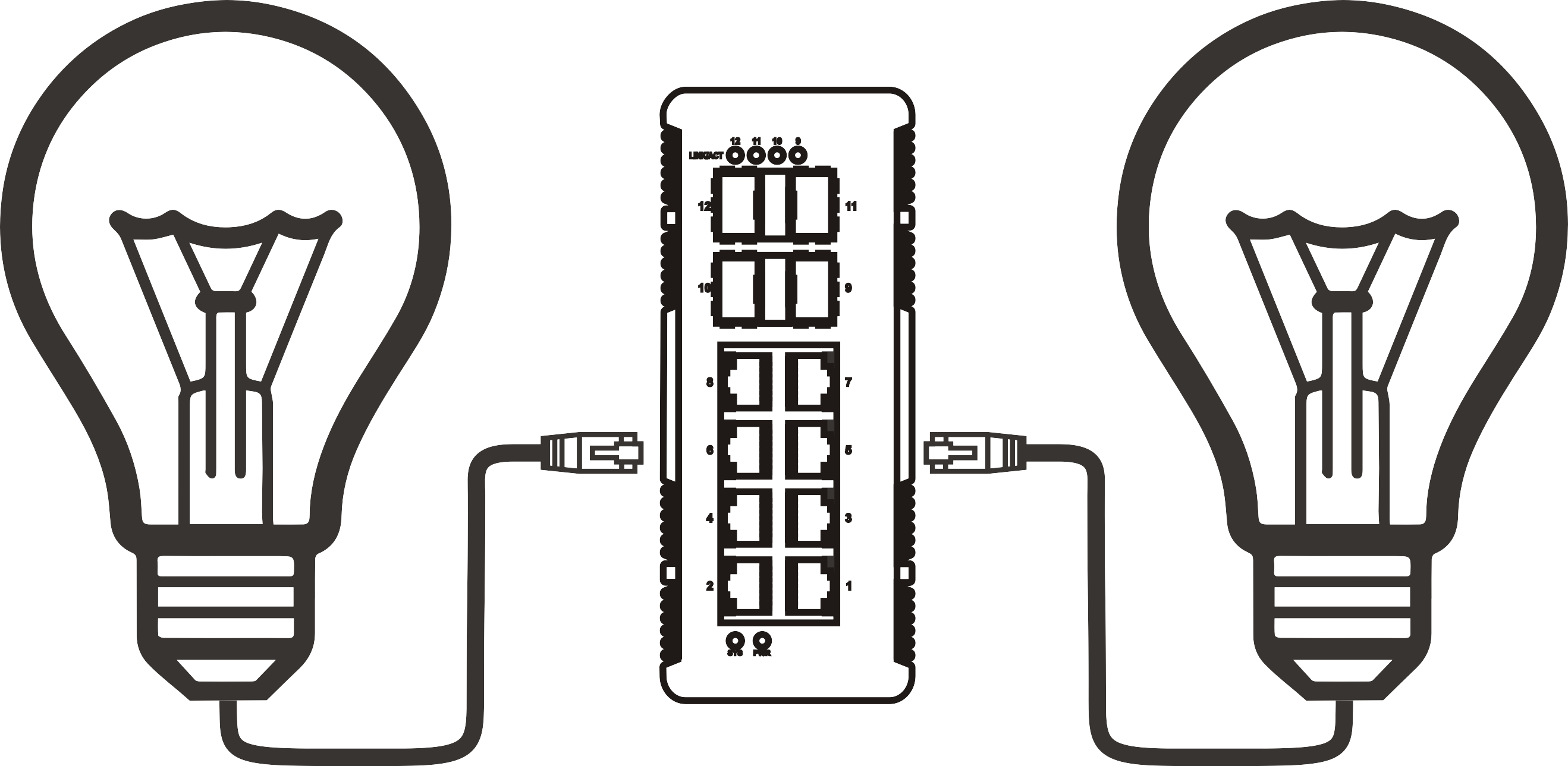


Understanding Data Center Switches: Essential Components for Modern Networking
Time: 2026-06-27
In the realm of networking, **data center switches** are pivotal components that facilitate and manage data traffic within data centers. These switches serve as the backbone of a data center's architecture, connecting various devices, servers, and storage systems, thereby ensuring efficient data transfer and communication. Understanding the functionalities and types of data center switches can greatly enhance operational efficiency and network performance.
Data center switches primarily function to direct data packets between devices within a local area network (LAN). They operate at different layers of the OSI model, with Layer 2 (data link layer) switches handling MAC addresses and Layer 3 (network layer) switches managing IP addresses. This layered approach enables data center switches to perform complex routing and switching tasks with high efficiency.
When discussing data center switches, one of the most significant considerations is scalability. As businesses grow, their networking needs evolve. Modern data center switches are designed to support a high density of connections and can easily scale to accommodate increased traffic loads. This scalability is crucial for organizations that anticipate rapid growth or fluctuating bandwidth requirements.
Another important factor is the performance capabilities of data center switches. High throughput and low latency are essential for ensuring that data packets are transmitted promptly and efficiently. Many switches now come equipped with advanced features such as Quality of Service (QoS), which prioritizes critical data traffic, and Virtual LAN (VLAN) support, which enhances network segmentation and security.
Moreover, data center switches can be classified into two main types: modular and fixed-configuration switches. Modular switches offer flexibility, allowing organizations to add or replace components as needed, while fixed-configuration switches provide a more straightforward, cost-effective solution for smaller networks. The choice between these types depends on the specific requirements and future growth plans of the organization.
In addition to scalability and performance, security is a paramount concern in data center management. Data center switches come equipped with various security features to protect sensitive data from unauthorized access and breaches. Implementing robust security protocols and monitoring tools is essential to safeguard the network from evolving threats.
Furthermore, the increasing trend towards virtualization and cloud computing has led to the development of smart switches. These devices leverage advanced technologies such as Software-Defined Networking (SDN) to provide more agile and programmable network management, allowing for better resource allocation and optimization.
In conclusion, selecting the right **data center switches** is crucial for achieving optimal network performance and reliability. By understanding the various types, features, and functionalities of these switches, organizations can make informed decisions that align with their operational goals and technological advancements. As the demand for high-speed and secure connectivity continues to grow, investing in quality data center switches will play a vital role in supporting an organization’s digital transformation journey.
Data center switches primarily function to direct data packets between devices within a local area network (LAN). They operate at different layers of the OSI model, with Layer 2 (data link layer) switches handling MAC addresses and Layer 3 (network layer) switches managing IP addresses. This layered approach enables data center switches to perform complex routing and switching tasks with high efficiency.
When discussing data center switches, one of the most significant considerations is scalability. As businesses grow, their networking needs evolve. Modern data center switches are designed to support a high density of connections and can easily scale to accommodate increased traffic loads. This scalability is crucial for organizations that anticipate rapid growth or fluctuating bandwidth requirements.
Another important factor is the performance capabilities of data center switches. High throughput and low latency are essential for ensuring that data packets are transmitted promptly and efficiently. Many switches now come equipped with advanced features such as Quality of Service (QoS), which prioritizes critical data traffic, and Virtual LAN (VLAN) support, which enhances network segmentation and security.
Moreover, data center switches can be classified into two main types: modular and fixed-configuration switches. Modular switches offer flexibility, allowing organizations to add or replace components as needed, while fixed-configuration switches provide a more straightforward, cost-effective solution for smaller networks. The choice between these types depends on the specific requirements and future growth plans of the organization.
In addition to scalability and performance, security is a paramount concern in data center management. Data center switches come equipped with various security features to protect sensitive data from unauthorized access and breaches. Implementing robust security protocols and monitoring tools is essential to safeguard the network from evolving threats.
Furthermore, the increasing trend towards virtualization and cloud computing has led to the development of smart switches. These devices leverage advanced technologies such as Software-Defined Networking (SDN) to provide more agile and programmable network management, allowing for better resource allocation and optimization.
In conclusion, selecting the right **data center switches** is crucial for achieving optimal network performance and reliability. By understanding the various types, features, and functionalities of these switches, organizations can make informed decisions that align with their operational goals and technological advancements. As the demand for high-speed and secure connectivity continues to grow, investing in quality data center switches will play a vital role in supporting an organization’s digital transformation journey.
More News



Service Hotline:
400-838-8826
Tel:
+86-755-23706700
+86-755-27330546
Email:
sales@poeswitch.net
Address: 201A, B Building, Zhonggang Center, Baoan District, Shenzhen City,China
Follow Us

Copyright © 2025 Shenzhen Hi-Net Technology Co., Ltd All Rights reserved.
Business License