
-
-
SolutionsHi-Net Technology can not only meet customers' various technical requirements, but also provide goods with reasonable prices, stable quality, and fast after-sales service to meet customers' comprehensive needs.

-
ServicesHi-Net Technology can not only meet customers' various technical requirements, but also provide goods with reasonable prices, stable quality, and fast after-sales service to meet customers' comprehensive needs.

-
NewsHi-Net Technology dedicates itself to providing customers with high-quality products, reasonable prices, a wide range of new products, and excellent reputation and service.

-
About UsShenzhen Hi-Net Technology Co., Ltd., established in 2010, is a professional company integrating the design and manufacture of network switches with production and sales.



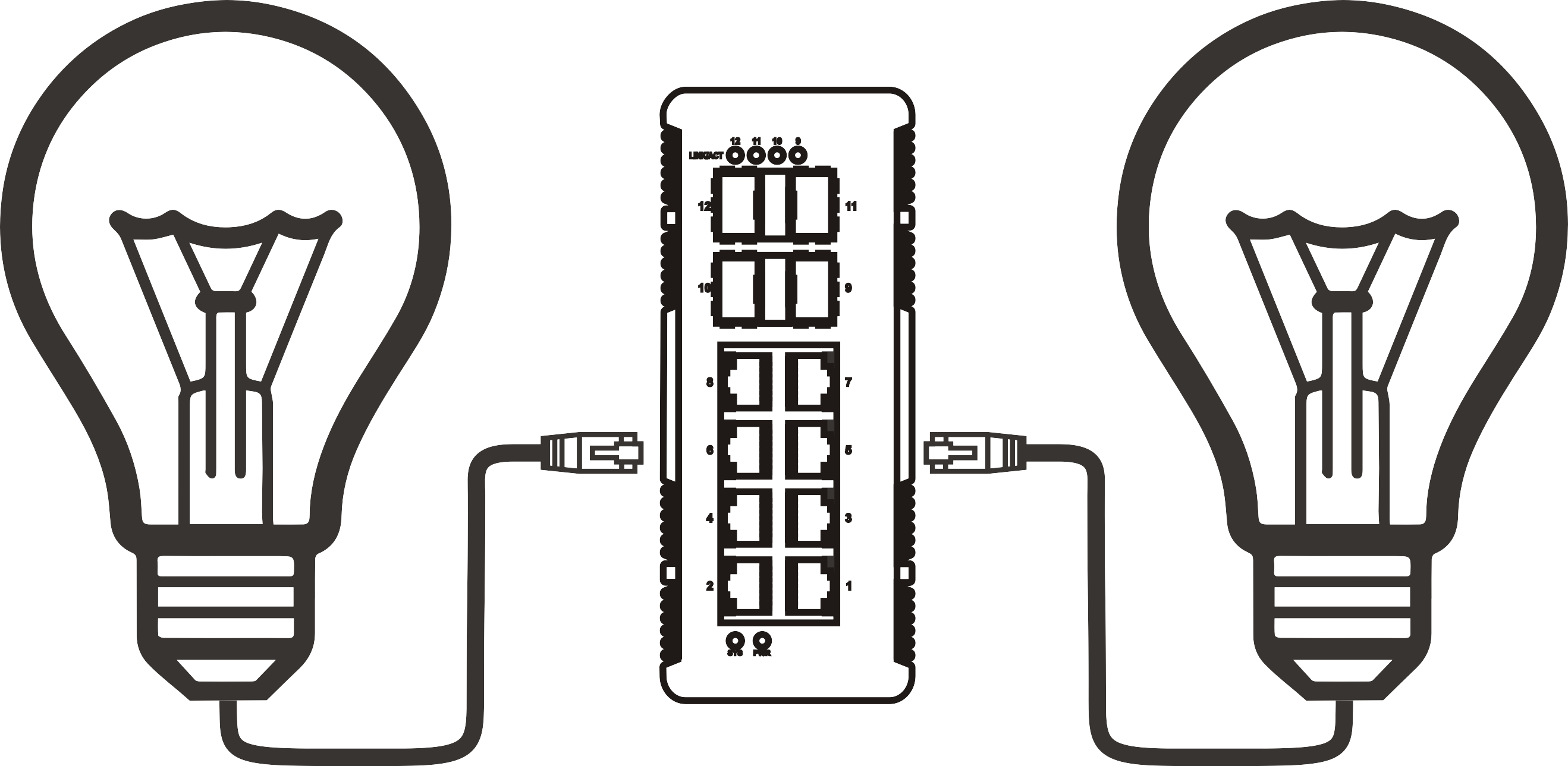


Understanding the Impact of SDVoE Products on Network Performance
Time: 2026-06-29
Understanding the Impact of SDVoE Products on Network Performance
Table of Contents
1. Introduction to SDVoE Technology
2. Key Components of SDVoE Systems
2.1. Hardware and Software Essentials
2.2. Network Infrastructure Requirements
3. Benefits of Implementing SDVoE Products
3.1. Enhanced Video Quality
3.2. Reduced Latency in Video Transmission
3.3. Scalability and Flexibility in Network Design
4. How SDVoE Affects Network Performance
4.1. Bandwidth Utilization and Management
4.2. Reliability and Redundancy in Video Distribution
5. Applications of SDVoE in Various Industries
5.1. Corporate and Educational Environments
5.2. Live Events and Broadcasting
5.3. Digital Signage Solutions
6. Challenges and Considerations When Implementing SDVoE
6.1. Initial Setup Costs
6.2. Training and Technical Knowledge Requirements
7. Future Trends in SDVoE Technology
8. Frequently Asked Questions (FAQs)
9. Conclusion
1. Introduction to SDVoE Technology
Software Defined Video over Ethernet (SDVoE) is a revolutionary approach to video transmission and distribution over standard Ethernet networks. It leverages existing network infrastructure to deliver high-quality audio and video content with minimal latency. As the demand for seamless video experiences increases across various sectors, understanding the impact of SDVoE products on network performance has become crucial for professionals in the field.
2. Key Components of SDVoE Systems
2.1. Hardware and Software Essentials
At the core of any SDVoE system are the **transmitter** and **receiver** devices. These devices encode and decode video signals, respectively, allowing for high-quality transmission over the network. Additionally, **control software** is essential for managing the entire system, from signal routing to performance monitoring.
2.2. Network Infrastructure Requirements
To fully utilize SDVoE technology, a robust Ethernet network is essential. This includes high-speed switches that can handle large amounts of data simultaneously. It’s important to ensure that the network supports **10GbE** connections to achieve optimal performance.
3. Benefits of Implementing SDVoE Products
3.1. Enhanced Video Quality
One of the standout benefits of SDVoE technology is its ability to provide **uncompressed video** at resolutions up to 4K. This ensures that the visual integrity is maintained, making it ideal for applications that require high-definition content delivery.
3.2. Reduced Latency in Video Transmission
SDVoE minimizes latency to levels often imperceptible to the human eye. This is particularly beneficial in live environments where quick reactions are crucial, such as broadcasting or live event production.
3.3. Scalability and Flexibility in Network Design
With SDVoE, users can easily scale their systems as needed. Whether expanding to more screens or integrating additional sources, SDVoE offers the flexibility to adapt to changing demands without the need for significant infrastructure changes.
4. How SDVoE Affects Network Performance
4.1. Bandwidth Utilization and Management
SDVoE technology is designed to optimize bandwidth usage. By efficiently managing video data packets across the network, it ensures that bandwidth is used effectively, minimizing congestion and maximizing throughput.
4.2. Reliability and Redundancy in Video Distribution
In mission-critical environments, reliability is paramount. SDVoE systems can be configured with redundancy to ensure continuous operation, even if one component fails. This reliability enhances overall network performance and user experience.
5. Applications of SDVoE in Various Industries
5.1. Corporate and Educational Environments
In corporate settings, SDVoE technology facilitates seamless presentations, video conferencing, and collaboration. Educational institutions benefit from delivering high-quality instructional content to multiple classrooms simultaneously.
5.2. Live Events and Broadcasting
For live events, SDVoE enables the transmission of HD video feeds to multiple locations without compromising quality. Broadcasters utilize this technology to ensure that live coverage is both reliable and visually stunning.
5.3. Digital Signage Solutions
SDVoE is transforming digital signage by allowing for dynamic content updates across multiple displays in real time. This capability enhances marketing efforts and audience engagement in retail and public spaces.
6. Challenges and Considerations When Implementing SDVoE
6.1. Initial Setup Costs
While SDVoE technology offers numerous benefits, the initial setup cost can be significant. Organizations must carefully evaluate their needs and budget to determine if SDVoE is the right choice for their network requirements.
6.2. Training and Technical Knowledge Requirements
Implementing SDVoE technology often necessitates specialized knowledge. Staff may require training to manage and troubleshoot the systems effectively, which can be a barrier for some organizations.
7. Future Trends in SDVoE Technology
As technology continues to evolve, so will SDVoE. Future advancements may include enhanced integration with cloud-based services, further reducing latency and improving scalability. Additionally, as more industries recognize the benefits of SDVoE, its adoption will likely increase, leading to more innovative applications.
8. Frequently Asked Questions (FAQs)
What is SDVoE?
SDVoE stands for Software Defined Video over Ethernet. It is a technology that allows for the transmission of video and audio over standard Ethernet networks, providing high-quality, low-latency video distribution.
How does SDVoE improve network performance?
SDVoE optimizes bandwidth utilization, reduces latency, and enhances reliability, making it ideal for applications that require seamless video transmission.
What industries benefit from SDVoE technology?
Industries such as corporate, education, live events, broadcasting, and digital signage have all significantly benefited from the implementation of SDVoE products.
Are there any challenges with SDVoE implementation?
Yes, challenges include initial setup costs and the need for specialized training and technical knowledge among staff.
What are the future trends for SDVoE technology?
Future trends may involve enhanced integration with cloud services, improved scalability, and the development of new applications across various sectors.
9. Conclusion
In conclusion, understanding the impact of SDVoE products on network performance is essential for businesses and organizations looking to leverage cutting-edge technology for video distribution. As we have explored, the benefits of SDVoE, including enhanced video quality, reduced latency, and scalability, make it a compelling choice in today’s fast-paced technological landscape. By embracing SDVoE, organizations can ensure that they remain at the forefront of innovation while delivering superior audiovisual experiences to their audiences.
More News



Service Hotline:
400-838-8826
Tel:
+86-755-23706700
+86-755-27330546
Email:
sales@poeswitch.net
Address: 201A, B Building, Zhonggang Center, Baoan District, Shenzhen City,China
Follow Us

Copyright © 2025 Shenzhen Hi-Net Technology Co., Ltd All Rights reserved.
Business License